
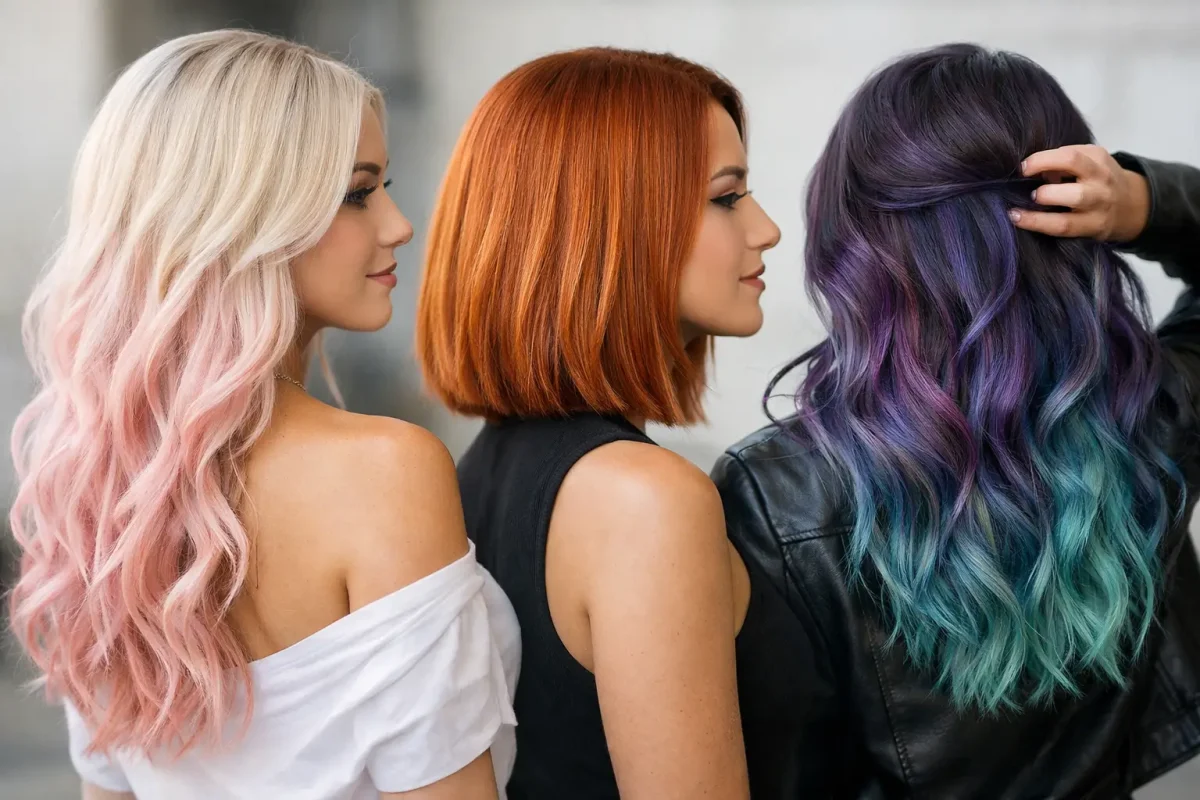
A great color appointment should not leave you looking like everyone else. The most wearable fashion hair colour trends right now are less about chasing one viral shade and more about choosing dimension, placement, and tone that make your cut, skin tone, and personal style feel sharper. Whether you want a quiet refresh or a color people notice from across the room, the best result starts with a plan that suits real life.
Fashion Hair Colour Trends Are More Personal Now
The big shift is toward customized color. Rather than applying one flat shade from root to end, professional color work uses contrast and softness in the right places. A bright piece around the face can bring light to your features, while deeper roots can create depth and make regrowth less obvious.
This is good news if you love a trend but do not want to spend every few weeks in the salon. Your stylist can adjust the intensity, root blend, and placement so the finished color feels current without becoming high-maintenance. A warm blonde, for example, can be made soft and expensive-looking rather than brassy. A fashion shade can be tucked underneath or concentrated at the ends if you want the fun without a full-color commitment.
Lived-In Blonde With Bright Face Framing
Blonde remains a favorite, but the most modern versions have movement. Think soft beige, honey, creamy vanilla, and warm golden ribbons placed through a slightly deeper base. This creates a sunlit finish that grows out far more gracefully than heavy, uniform highlights.
Face-framing brightness is still a strong choice, especially with a bob, lob, or layered cut. The key is restraint. A pale front section against very dark, solid color can look deliberately bold, but finer blended pieces are usually more versatile for everyday wear. Your natural starting level, previous color history, and hair condition all affect how light you can go safely in one appointment.
If your hair has been colored dark or has layers of box dye, patience matters. Pushing too hard for icy blonde in one session can compromise the hair and create uneven warmth. A staged blonding plan protects the integrity of your hair while building toward the shade you really want.
The Cool Blonde Trade-Off
Pearl and ash blondes can look beautiful, but cool tones need more upkeep than many clients expect. They may require toning products at home and regular gloss appointments to keep yellow tones under control. If you prefer a lower-fuss routine, a neutral or softly warm blonde may stay flattering for longer between visits.
Rich Brunettes With Glossy Dimension
Brunette color is having a polished moment. Espresso, chocolate, cinnamon, chestnut, and deep mocha shades look particularly striking when they are layered with subtle lighter pieces. The goal is shine and dimension, not obvious stripes.
A brunette refresh can be one of the most rewarding changes for hair that feels faded, dry-looking, or flat. A well-chosen gloss can enrich the tone, add reflective shine, and make your haircut look more intentional. For clients who want a noticeable change without lightening, adding a warmer chocolate or red-brown cast can create a completely new feel.
Dimensional brunette is also a smart option for people transitioning away from heavy blonde. Keeping some lighter pieces through the mid-lengths and ends prevents the color from looking too solid, while a richer root adds depth and gives the hair a healthier-looking finish.
Copper, Auburn, and Soft Strawberry Tones
Warm reds are among the most expressive color choices this season. Copper can range from bright and vivid to soft and natural, while auburn adds depth with a sophisticated red-brown finish. Strawberry blonde offers something lighter and gentler, especially for clients who want warmth without committing to a deep red.
Red is not one-size-fits-all. The difference between a copper that lights up your complexion and one that feels too orange often comes down to the balance of gold, red, and brown in the formula. This is where a professional consultation makes a real difference.
The trade-off is fading. Red pigments naturally release faster than many other tones, particularly if you shampoo frequently or use hot water. Color-safe products, cooler rinses, and less frequent washing can help, but it is realistic to plan for regular glossing if you want that fresh, rich finish to last.
Soft Pastels and Hidden Fashion Color
For clients ready to experiment, pastels are becoming more refined. Powder pink, lavender, peach, muted blue, and smoky lilac can be placed as a full statement or used in smaller panels for a more subtle effect. Hidden color, sometimes placed beneath the top layer of hair, gives you a playful reveal when you move your hair, curl it, or wear it up.
Pastels generally need a very light base before the final shade is applied. That means the health and history of your hair must come first. If lightening would cause too much stress, there may be other ways to achieve a fashion-forward effect, such as deeper jewel tones, color placement on selected sections, or a temporary color approach.
Vivid shades are a commitment to maintenance, but not necessarily to permanence. Many fashion colors fade gradually, which can be part of the fun. The smartest approach is to choose a fade-out color you can still enjoy, rather than a shade that becomes unpredictable after a few washes.
Color Placement Matters as Much as the Shade
The same color can look entirely different depending on where it is placed. Balayage remains popular because its hand-painted placement creates a soft transition and flexible grow-out. Ombre gives a more noticeable shift from darker roots to lighter ends. Traditional foils are ideal when you want controlled brightness closer to the root.
For a short pixie or blunt bob, carefully placed highlights can emphasize texture and shape. On longer layered hair, ribbons of color can bring movement through the ends. A money piece around the face can add impact without changing everything else. There is no single best technique – it depends on your haircut, desired upkeep, and how visible you want the change to be.
How to Choose a Trend You Will Still Love Later
Bring inspiration images, but use them as a starting point rather than a fixed instruction. Photos are useful for showing whether you like warmth or coolness, bold contrast or softness, and where you want brightness to sit. Your stylist can then translate that idea to your own hair.
Be honest about your routine, too. If you rarely style your hair, a color that only looks its best with weekly waves may not be the right fit. If you are happy to use toning shampoo and book regular refresh appointments, a brighter blonde or vivid shade could be perfect. Great color is not just about what happens in the chair. It is about choosing a look that still feels beautiful on an ordinary Tuesday morning.
Before coloring, share your full hair history, including at-home color, henna, recent toners, and any previous lightening. This is not a judgment call. It helps your stylist choose the safest process, set realistic expectations, and avoid unwanted results. Healthy hair holds color better, shines more brightly, and gives you more options over time.
Book an appointment at Twisted Scissors in Bridgeman Downs to find a fashion-forward color that feels made for you.