
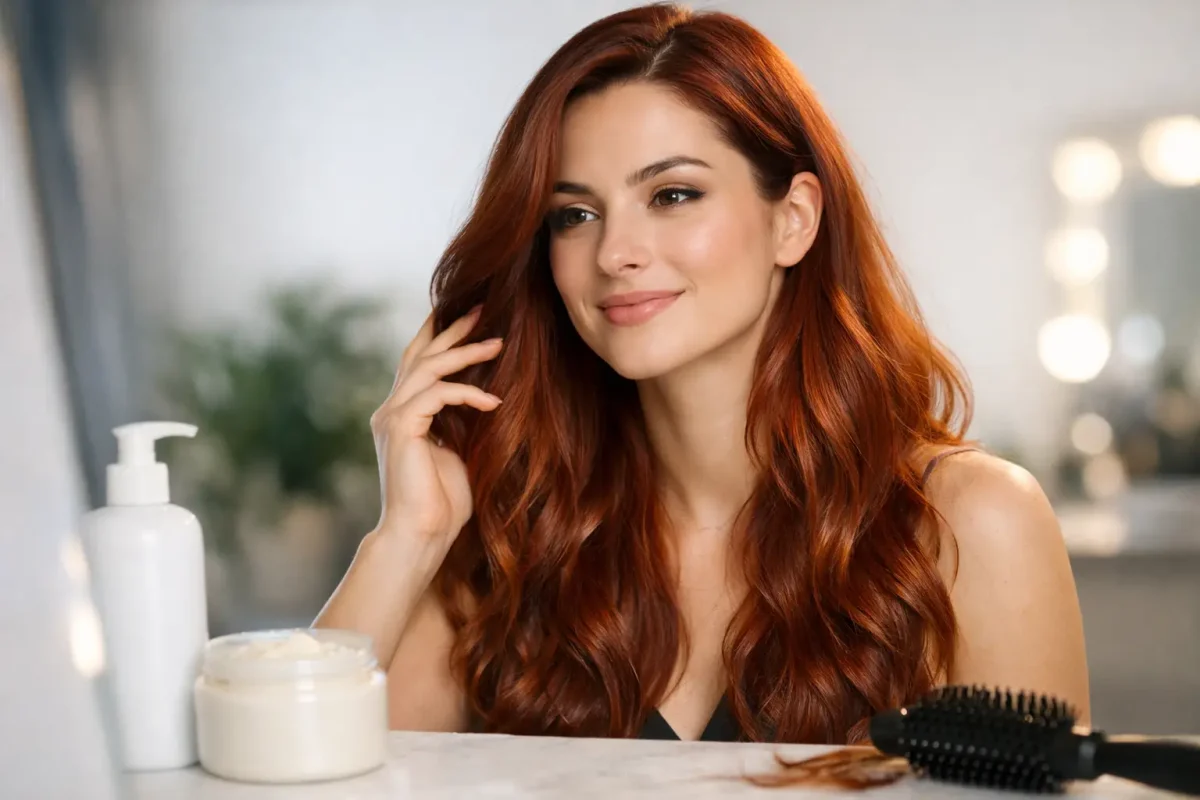
Fresh color has a way of making everything feel sharper – your cut looks cleaner, your skin looks brighter, and your whole style feels more put together. The frustrating part is how quickly that just-done finish can fade if your routine is working against it. If you have ever wondered how to make hair color last, the answer is usually not one magic product. It is a mix of smart aftercare, realistic maintenance, and knowing what your specific shade needs.
Some colors naturally hold better than others. Deep brunettes usually fade more softly than copper, red, pastel, or vivid shades. Blonde can stay bright for weeks, but it can also turn brassy fast if hard water, heat, and sun are in the mix. That is why good color maintenance is never one-size-fits-all. The goal is to keep your tone looking intentional, not just keep pigment hanging on at any cost.
How to make hair color last starts in the first 72 hours
What you do right after your appointment matters more than most people think. Freshly colored hair needs a little time to settle, especially after permanent color, glosses, toners, or fashion shades. Washing too soon can nudge pigment out before it has had a chance to fully stabilize.
If your stylist gives you a specific timeline, follow that first. In general, waiting at least 48 to 72 hours before shampooing is a safe rule for many color services. That does not mean your hair is fragile forever. It just means the first few days are not the time for a clarifying shampoo, a hot yoga sweat session followed by three washes, or a full heat-styling marathon.
Water temperature also matters early on and later. Hot water lifts the cuticle, which helps color molecules escape faster. Lukewarm water is kinder, and a cool rinse at the end can help the hair feel smoother and look shinier.
Wash less, and wash smarter
The quickest way to fade expensive color is over-washing. Most people do not need to shampoo every day, especially if their hair is colored. Two to three times a week works well for many clients, though fine hair, oily scalps, workouts, and climate can change that.
If you are washing often because your roots get oily, dry shampoo can buy you an extra day without stripping your lengths. Apply it before your scalp gets very oily, not after. It works better as prevention than rescue.
Your shampoo matters just as much as how often you use it. Sulfate-free formulas are usually the better choice for preserving color, especially if your hair is toned, vivid, bleached, or porous. That said, sulfate-free does not automatically mean perfect. Some formulas are still too heavy, too drying, or not suited to your texture. If your hair feels coated or limp, you may need a better balance rather than a harsher cleanser.
A color-safe conditioner is not optional either. Shampoo opens things up and removes buildup. Conditioner helps smooth the cuticle back down, which supports shine and helps your tone look fresher for longer.
The biggest reason color fades fast: damage and porosity
If your hair grabs color quickly but loses it just as fast, porosity is often the issue. Hair that is dry, over-processed, sun-stressed, or heat-damaged has a harder time holding onto pigment evenly. Think of it like fabric that has been worn thin – it can absorb fast, but it does not keep its finish well.
This is where repair and moisture make a real difference. A good weekly mask can help improve softness and manageability, and bond-building treatments can support hair that has been lightened or chemically stressed. Healthy hair does not just feel better. It reflects light better, holds tone more evenly, and tends to fade in a less patchy way.
There is a trade-off here, though. Very heavy masks or oils can make fine hair flat, and too much protein can leave some hair feeling stiff. The best routine depends on your hair type, your color history, and whether your hair needs hydration, strength, or both.
Heat styling can fade your shade faster than you think
Flat irons, curling wands, and high-heat blow-drying do not just dry the hair out. They can also dull gloss, shift tone, and make fashion colors disappear much faster. Blondes may go warmer, brunettes can lose richness, and reds often fade the fastest of all.
If you use hot tools regularly, use a heat protectant every time. Not sometimes. Every time. Lowering the temperature also helps more than people expect. You do not need maximum heat for every style, especially on fine or already-lightened hair.
Air-drying when you can, or rough-drying first and using less direct heat afterward, will reduce stress on the hair. The less damage you create between appointments, the longer your color tends to look polished.
Sun, chlorine, and hard water are silent color wreckers
Brisbane clients know that strong sun is not just a skin issue. UV exposure can fade and distort hair color, especially lighter blondes, coppers, reds, and vivid shades. If you spend a lot of time outdoors, a hat is one of the easiest ways to protect your investment.
Pools are another problem. Chlorine can dry the hair out and shift blonde tones greenish or dull. Before swimming, wet your hair with clean water and apply a little conditioner or leave-in product. Hair that is already saturated will absorb less pool water.
Hard water is less obvious, but it can be a major reason color starts looking off. Mineral buildup can make hair feel rough and make blondes look brassy or muddy. If this sounds familiar, a shower filter may help. So can the occasional professional treatment to remove buildup without stripping your tone unnecessarily.
How to make hair color last for blondes, brunettes, reds, and vivids
Different shades need different upkeep. Blonde usually needs tone maintenance more than depth maintenance. If your blonde fades into brassiness, a purple shampoo or toner may help, but overusing purple products can leave the hair dull or slightly overcast. It is better to use them with intention than dump them into every wash.
Brunettes often lose shine before they lose noticeable color. A gloss or glaze can bring back richness and reflect light beautifully, especially if your brown has warm, cool, or dimensional tones.
Red is stunning and notoriously high-maintenance. Red molecules are larger and tend to rinse out faster, which means cooler water, less washing, and regular refresh appointments make a real difference. If you love copper or rich auburn, maintenance is part of the deal.
Pastels, pinks, neons, and other fashion shades usually need the most commitment. They can fade beautifully, but they do fade quickly. If you want that crisp, vivid finish to stay bright, expect a more tailored home routine and more frequent toning or color-depositing refreshes.
Small routine changes that make a big difference
Your pillowcase will not single-handedly save your color, but softer fabrics can reduce friction and help hair stay smoother. Brushing gently matters too, especially when hair is wet and more elastic. Rough detangling leads to breakage, frizz, and a less polished look overall.
Leave-in products can also do a lot of heavy lifting. A lightweight leave-in conditioner or cream helps protect the cuticle through the day, especially if your hair is porous. The key is using enough to support the hair without making it greasy or limp.
And if you are tempted to fix fading at home with random box dye, resist the urge. Layering home color over salon work can create uneven bands, muddy results, or a correction appointment that takes far more time than a simple refresh would have.
When a salon refresh makes more sense than more products
Sometimes the answer is not another shampoo. If your hair looks dull, uneven, too warm, or washed out no matter what you use, it may be time for a toner, gloss, or professional refresh. These appointments can revive shine, rebalance tone, and make your color look expensive again without always needing a full overhaul.
This is especially true for balayage, blonde work, and fashion colors. Strategic maintenance often keeps your hair looking better between major services and may actually prevent more damage than trying to push your color too long.
Great color should still look good a few weeks later, not just on day one. The best approach is simple: wash less, use the right products, protect your hair from heat and sun, and treat your hair condition as part of your color plan. If you want personalized advice or a color refresh that fits your hair and your routine, book an appointment at Twisted Scissors in Bridgeman Downs.