Healthy Hair Bleaching Guide for Better Blonding
Healthy Hair Bleaching Guide for Better Blonding
Bleach can give you the bright blonde, soft beige, icy ribboning, or fashion color base you want, but it is never a casual process. A healthy hair bleaching guide starts with one simple truth: lighter hair always comes with some level of stress on the hair fiber. The goal is not pretending bleach is damage-free. The goal is getting the result you want while keeping your hair as strong, soft, and predictable as possible.
That usually comes down to timing, technique, and honesty about your starting point. Virgin dark blonde hair behaves very differently from box-dyed brunette. Fine hair can lift quickly and still feel fragile, while coarse hair may need more sessions even if it feels stronger. If you want beautiful lightening without the crunchy ends, patchy bands, or surprise breakage, the process matters just as much as the final shade.
What a healthy hair bleaching guide really means
Healthy bleaching is about risk management. It means assessing your hair before any lightener touches it, choosing a realistic target, and protecting the integrity of the hair at every stage. Sometimes that means going slower than you hoped. Sometimes it means saying no to platinum in one visit.
That trade-off is worth it. Hair that lifts evenly over multiple appointments almost always looks better than hair that was pushed too hard and then needs major repair or a big cut. Stronger hair also holds toner better, reflects more shine, and styles more smoothly.
A good lightening plan looks at porosity, previous color history, density, curl pattern, and your daily styling habits. If you heat-style often, swim regularly, or already have dry ends, those details matter. They affect how much your hair can comfortably handle.
Before bleaching, check your hair honestly
The healthiest bleach appointments start before the appointment itself. If your hair is already stretchy when wet, snapping at the ends, or feeling rough no matter what products you use, those are signs to pause and reassess. Bleach will not improve compromised hair.
Hair history matters just as much as hair condition. Old box dye, black or red pigment, past highlights, keratin treatments, relaxers, and even some mineral buildup from hard water can change how bleach works. Uneven lift is often less about bad luck and more about what is already sitting on the hair.
If your goal is a major shift, bring reference photos, but stay flexible. A cool creamy blonde might be possible in one session on natural level 7 hair. The same end result on previously dyed dark brown hair can take several appointments. Healthy bleaching is rarely about speed.
Scalp condition matters too
A healthy scalp helps support a better bleach service. If your scalp is irritated, sunburned, flaky, or scratched up, bleach can feel much harsher and increase discomfort. Washing right before bleaching is not always the issue people think it is, but arriving with a calm, product-light scalp is usually best.
If you have sensitivity, mention it early. That gives your stylist room to adjust product placement, processing strategy, or recommend an alternative service that is kinder to your skin.
How to prep for bleach without overdoing it
The best prep is simple. Focus on moisture, gentle handling, and realistic expectations. You do not need a dozen trendy treatments in the week before bleaching. In fact, overloading the hair with oils, heavy masks, or protein right before a lightening service can make assessment harder.
Use a moisturizing shampoo and conditioner in the lead-up, reduce hot tool use, and avoid any DIY color experiments. If your ends are split or thin, a trim before or after the service may help the final result look fresher and fuller.
Protein can help some hair types, but this is where it depends. Hair that is limp, overly soft, and weak may benefit from a balanced strengthening treatment. Hair that already feels stiff or dry can become rougher if protein is overused. Healthy bleaching is never one-size-fits-all.
During the service, technique changes everything
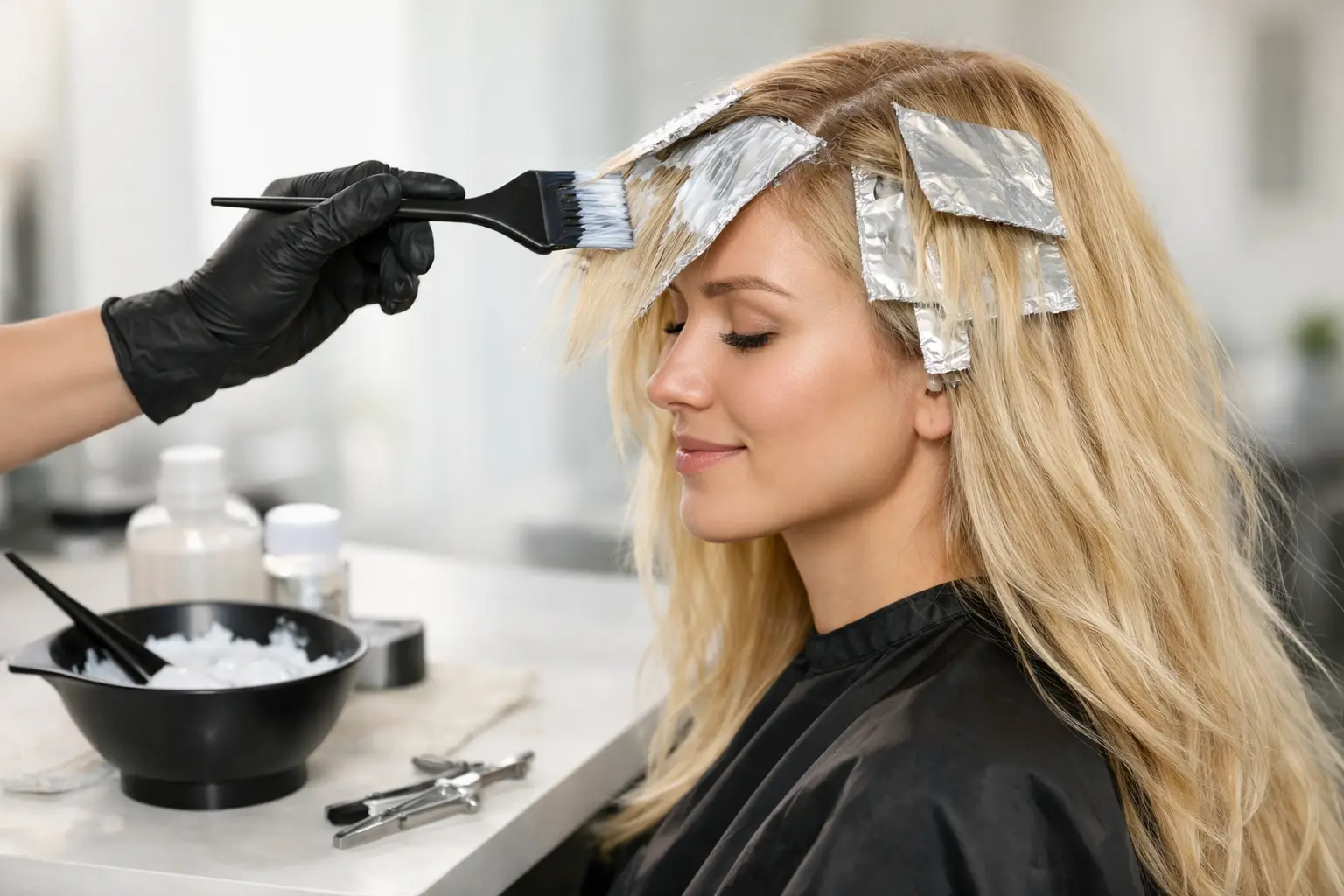
Application strategy has a huge impact on hair health. Bleach is not just bleach. The developer strength, sectioning, saturation, placement, and processing time all influence the outcome. This is why professional lightening usually gives more predictable results than at-home attempts.
The biggest mistakes happen when people use strong developer to force faster lift, overlap bleach onto already lightened sections, or leave lightener on hoping for a miracle. Bleach stops being helpful once the hair has reached its safe limit. After that point, you are not getting better blonde. You are usually just getting weaker hair.
A careful approach may include leaving the roots until later because scalp heat makes them process faster, isolating fragile mids and ends, or working in stages to avoid hot spots and banding. Toner also matters. Hair that is lifted to the right level but toned poorly can look dull, muddy, or overly ashy.
One appointment is not always the healthiest choice
This is where many people get frustrated. Yes, dramatic transformations are possible. But the healthiest route is often a series of appointments instead of one marathon session. If your hair has old dark color or visible bands, pushing through in one day can leave you with breakage, uneven porosity, and a tone that fades fast.
Spacing out major lightening services gives the hair time to recover between appointments. It also gives your stylist a better chance to refine the tone and shape of the color, whether you want bright highlights, lived-in blonde, or a clean base for pastel shades.
Aftercare is where healthy bleach results are kept or lost
Freshly bleached hair needs a different routine than untreated hair. It usually needs more moisture, more heat protection, and less rough handling. If you bleach your hair and then keep washing it with harsh products, blasting it with a flat iron, and skipping trims, even a great service can start to feel dry fast.
Use a shampoo and conditioner designed for color-treated or lightened hair. Add a weekly mask if your hair feels thirsty, and use a leave-in product before detangling. Wet lightened hair is more vulnerable, so be patient with brushing and start from the ends.
Heat protection is non-negotiable. Bleached hair has less margin for repeated heat damage, especially around the front hairline and ends. Lower heat settings often make more sense than trying to press the hair into shape with maximum heat.
Purple shampoo can help maintain blonde tones, but more is not always better. Overusing it can leave the hair looking flat or slightly gray, especially on porous pieces. If your blonde is turning brassy quickly, the issue may be water quality, sun exposure, product buildup, or simply that your toner needs refreshing.
Signs your hair needs a break from bleaching
Healthy blonding includes knowing when to stop. If your hair feels gummy when wet, breaks easily during brushing, or loses its curl or natural movement after lightening, it may need recovery time before more bleach. Dryness alone can often be managed. Elasticity loss and active breakage are more serious.
This is also why overlapping bleach is such a problem. Hair that is already light enough does not need more lift. It needs protection. A gloss, toner, root touch-up, shadow root, or strategic highlights may get you where you want to go without reprocessing everything.
When professional bleaching makes the biggest difference
If you want subtle face-framing brightness, soft balayage, or a gentle lift on healthy virgin hair, the process can be relatively straightforward. If you are correcting patchy color, removing old dye, aiming for a very light blonde, or trying to preserve length, professional work makes a major difference.
That is not just about achieving a prettier shade. It is about knowing when hair can take another round, when a bond-building approach is worth it, and when your dream color should be approached in phases. Good bleaching is technical. Healthy bleaching is even more so.
For clients around Brisbane northside who want lighter hair without the guesswork, having a stylist map out a realistic plan can save time, money, and a lot of avoidable damage. The best blonde or high-lift result is the one that still feels good a few weeks later, not just the one that looked dramatic when you first left the chair.
Lightening your hair should feel exciting, not like a gamble. If you want a personalized plan for brighter color while keeping your hair in the best condition possible, book an appointment at Twisted Scissors in Mitchelton.