Hair Gloss vs Toner: What’s the Difference?
Hair Gloss vs Toner: What’s the Difference?
You leave the salon loving your blonde, brunette, or copper, then a few weeks later something feels off. Maybe your highlights look warmer than you wanted, your brunette has gone flat, or your fresh color has lost that expensive-looking shine. That is usually when the hair gloss vs toner question comes up, and the two are often treated like they are the same thing. They are not.
Both services refine your color, but they do it in slightly different ways. Knowing the difference helps you book the right appointment, protect your hair, and get better long-term results instead of guessing and hoping for the best.
Hair gloss vs toner: the quick difference
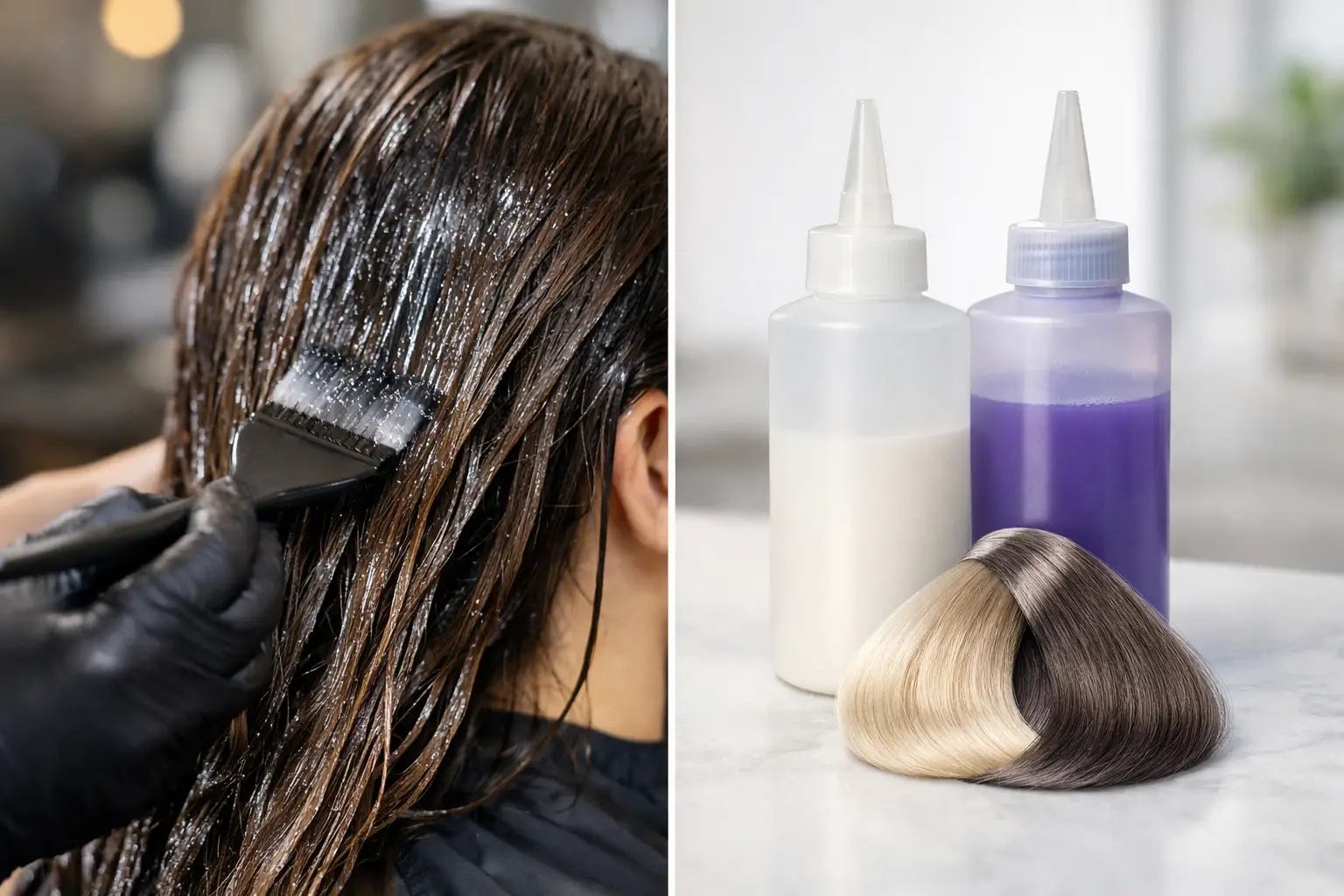
The simplest way to think about it is this: toner is mainly used to adjust the tone of the hair, while gloss is used to enhance tone and add shine. There is overlap, and in salon conversations the terms sometimes get used loosely, but the goal behind each service matters.
A toner is usually the go-to when hair has unwanted warmth, brassiness, or uneven undertones after lightening. If blonde is pulling yellow, balayage is looking orange, or a cool brunette has gone too warm, toner steps in to rebalance the shade.
A gloss is more about polishing the final result. It can refresh faded color, add richness, soften dullness, and make the hair look smoother and shinier. Some glosses also deposit a bit of tone, which is why the line between the two gets blurry. In practice, a stylist chooses the formula based on what your hair actually needs, not just what the service is called.
What toner does best
Toner works hardest when your underlying color is already there, but the tone is wrong. This is common after bleaching, highlighting, balayage, or any service that lifts natural pigment and exposes warm undertones.
For blondes, toner can cool down yellow or soften a harsh icy shade into something more natural. For brunettes, it can reduce orange or red warmth and create a more balanced mocha, mushroom, or neutral result. For fashion shades, toner can help create a cleaner base before a pastel or vivid color is applied.
What toner does not do is dramatically lighten the hair. It is not a shortcut for a brighter blonde if the hair was not lifted enough in the first place. If the canvas is too dark, no toner in the world will magically turn it pale and cool. That is where realistic color planning matters.
When toner makes the biggest difference
Toner is usually the better choice if your main issue is brassiness, unwanted warmth, or a shade that looks slightly off rather than faded. It is especially useful after highlighting services because lifted hair tends to reveal gold, yellow, orange, or even red undertones depending on your starting level.
This is why two people can ask for the same cool blonde and get very different maintenance plans. One might hold tone beautifully, while another needs regular toning because her hair naturally pulls warm fast. Hair history, porosity, home care, and even sun exposure all affect how long that result lasts.
What hair gloss does best
A gloss is ideal when your color needs a refresh but not a full overhaul. It adds sheen, revives richness, and can make the hair look healthier and more finished. If your brunette looks dull, your red has lost its vibrancy, or your blonde feels a bit flat between major appointments, gloss is often the fix.
Many gloss formulas are demi-permanent, which means they deposit tone without the stronger commitment of permanent color. That makes them useful for people who want shine and subtle correction without a big change at the root.
Gloss is also a great option when the hair feels visually tired. It will not repair damage in a structural sense, but it can make rough, faded color look softer, glossier, and more expensive. That is why gloss appointments are popular between balayage or full-color visits.
When gloss is the smarter choice
If your hair color still looks basically right but lacks shine, depth, or freshness, gloss usually makes more sense than toner. It is a strong option for brunettes who want richness, blondes who want softness and shine, and anyone trying to stretch the life of their salon color without committing to a full recolor.
It also suits clients who want a lower-maintenance color routine. Because gloss tends to be more about refinement than correction, it can keep your hair looking polished without that obvious grown-out line you get from stronger permanent color services.
Hair gloss vs toner for blondes, brunettes, and coppers
Blondes ask about this most often because brassiness shows up quickly. If your blonde is turning yellow or slightly orange, toner is usually the lead player. If your blonde is the right shade but looks dull or lacks softness, a gloss may be enough.
Brunettes often benefit from gloss more than they expect. Brown hair can lose reflect, depth, and shine long before it looks drastically faded. A gloss can bring it back to life. But if a brunette has unwanted red or orange tones after coloring or lifting, toner may be needed first.
For coppers and reds, gloss is often the maintenance hero. These shades fade faster than many people realize, especially with frequent washing and heat styling. A gloss can top up the vibrancy and keep the tone looking intentional rather than washed out. If the tone has shifted in the wrong direction, then a more targeted toning approach may be part of the plan.
Which one lasts longer?
This depends on the formula, your hair condition, and how you treat your hair at home. In general, both glosses and toners are temporary. Most fade gradually over a few weeks, especially if you wash often, use hot tools regularly, or spend a lot of time in the sun.
Porous hair tends to grab tone quickly and lose it quickly too. Healthier hair may hold the result more evenly. Sulfate-heavy products, hot water, and chlorine can also strip tone faster than people expect.
This is where salon advice matters. The same service can last very differently from one person to the next. A stylist is not just choosing a shade. She is looking at your base color, previous color history, porosity, maintenance habits, and the result you want next month, not just today.
Can a hair gloss and toner be the same thing?
Sometimes, yes. This is where online advice gets confusing.
Some salon glosses are designed to add shine and adjust tone at the same time. Some toners have a glossy finish and leave the hair looking brighter and smoother. The names can vary by brand, and different salons may use the terms a little differently in conversation.
That does not mean the distinction is useless. It just means the real question should be, what does your hair need right now? If the need is correction, toner is the more accurate concept. If the need is refreshment and shine, gloss is the better fit. In many appointments, a stylist may choose a formula that handles both.
How to know what to book
If your color looks brassy, too warm, or slightly wrong, ask for a toning service. If it looks faded, dull, or less shiny than it should, ask about a gloss. If you are not sure, that is normal. Most clients are better off describing the problem instead of trying to diagnose the solution.
Saying, “My blonde is getting yellow,” or “My brunette has gone flat,” gives your stylist something useful to work with. From there, she can recommend whether you need gloss, toner, or a different color refresh entirely.
A good salon will also be honest if the issue is bigger than either service can fix. If your hair needs more lift, a color correction, or a full refresh, the right answer may not be a quick add-on. That honesty saves time, money, and a lot of disappointment.
The real trade-off: correction vs maintenance
If you are choosing between hair gloss vs toner, the better way to frame it is correction vs maintenance. Toner is usually for correcting unwanted tone. Gloss is usually for maintaining beauty, shine, and richness.
Neither is better across the board. It depends on whether your color has shifted in the wrong direction or simply lost its finish. Getting that distinction right is what makes hair color look intentional instead of almost right.
If you want expert advice on what your hair actually needs, book an appointment at Twisted Scissors in Mitchelton.