
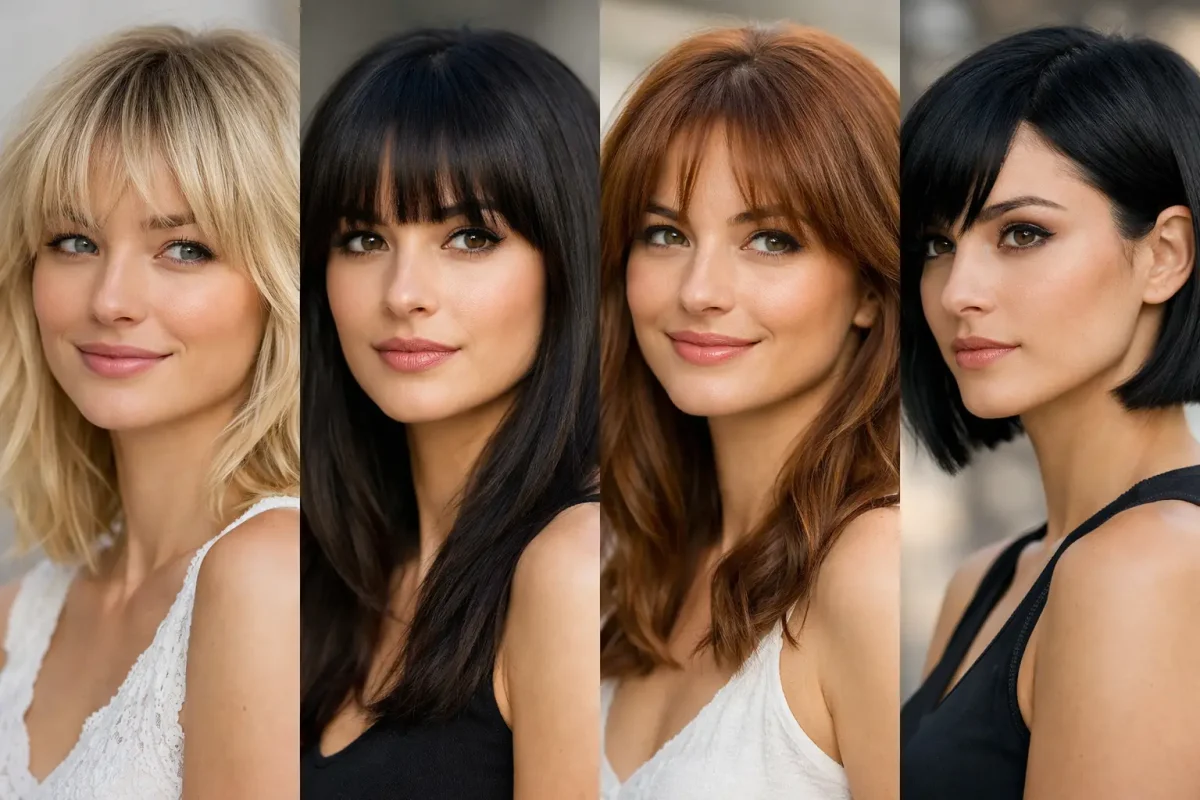
A fringe can fix a haircut that feels flat, soften features, or completely change your look without taking off major length. That is why the best fringe styles for women are never just about trends – they are about choosing the right shape for your face, your hair texture, and how much styling you actually want to do each morning.
Some fringes look effortless on social media and feel high-maintenance in real life. Others seem bold at first, then turn out to be the most wearable part of the cut. The difference usually comes down to placement, density, and how the fringe connects to the rest of your haircut.
How to choose the best fringe styles for women
The first thing to know is that face shape matters, but it is not the whole story. Hairline, cowlicks, growth patterns, density, and natural texture all affect how a fringe will sit. A style that works beautifully on thick straight hair may need a softer, more broken-up finish on fine or wavy hair.
Lifestyle matters too. If you are happy to spend five minutes with a round brush and blow dryer, you can wear more structured fringe shapes. If you prefer a wash-and-go routine, a looser fringe with movement usually makes more sense. The best result is not the fringe you like most in a photo. It is the one you will still like on a regular Tuesday.
1. Curtain fringe
Curtain fringe stays popular for a reason. It is flattering, grows out well, and works with everything from long layers to lobs and soft shags. The center-parted shape opens the face instead of closing it in, which makes it a strong option if you want a change without committing to a heavy full fringe.
This style suits a lot of face shapes because the shortest pieces can be adjusted around the cheekbones, brows, or jawline. It is especially good if you want softness around the face or want to balance a stronger forehead area. On thicker hair, it can look full and dramatic. On finer hair, it is usually cut lighter so it still moves.
2. Blunt fringe
A blunt fringe is clean, graphic, and confident. It creates a strong line across the forehead and can make the eyes stand out instantly. This style pairs beautifully with sleek bobs, longer polished cuts, and high-shine color because it gives the whole haircut a deliberate finish.
The trade-off is upkeep. Blunt fringe needs regular trims to keep its shape, and it tends to show every bend and separation more than a softer fringe does. If your hair is very textured or you have a strong cowlick at the front, it can still be done, but the cut needs to be planned carefully and styled properly.
3. Wispy fringe
If blunt fringe feels too heavy, wispy fringe gives you a softer entry point. It uses less density, more feathering, and a lighter finish across the forehead. The result is airy and easy, especially if you like movement rather than a perfect solid line.
Wispy fringe works well on fine hair because it does not ask the hair to do more than it naturally wants to do. It can also soften fuller face shapes without feeling severe. The main thing to watch is balance. If the fringe is too thin compared with the rest of the haircut, it can disappear instead of framing the face.
4. Side-swept fringe
Side-swept fringe is one of the most forgiving options. It blends into layers, grows out with less awkwardness, and can be styled polished or relaxed. If you want your forehead partially covered but do not want a straight-across fringe, this is often the smart middle ground.
It is especially useful if you have a strong cowlick or if your hair naturally wants to move in one direction. Because the fringe follows that movement, it usually behaves better day to day. It also works well for clients who want softness around the eyes and cheekbones without feeling too retro.
5. Bottleneck fringe
Bottleneck fringe has a narrower shape at the top and opens wider through the sides, almost like a softer version of curtain bangs with more structure through the center. It gives face-framing around the brows and temples while still keeping some fullness in the middle.
This style suits medium to thick hair really well because it holds shape without looking bulky. It is a great option if you want something current but not overly dramatic. It also pairs well with layered cuts because the sides melt into the haircut instead of sitting separately.
6. Curly fringe
Curly fringe can look incredible when it is cut for the curl pattern instead of against it. The shape is softer, more expressive, and often more flattering than clients expect. A good curly fringe adds personality and balance, especially on layered or shag-inspired cuts.
The key is respecting shrinkage and movement. Curly hair cannot be treated like straight hair with the same measurements. Too short, and the fringe can spring up more than you wanted. Too heavy, and it can sit wide. When it is customized properly, though, it looks modern, fresh, and effortless.
7. Textured fringe
A textured fringe is slightly choppy, piecey, and intentionally lived-in. It works especially well with shags, wolf-inspired cuts, layered bobs, and haircuts that are meant to have movement rather than precision. If you like a style that looks cool instead of perfect, this fringe does that well.
It is also useful for thicker hair because removing weight helps the fringe sit better. On straighter hair, texture can stop the fringe from looking too blocky. On wavy hair, it can enhance the natural bend rather than fighting it.
8. Baby fringe
Baby fringe is short, bold, and not for the indecisive. It sits well above the brows and makes a strong statement. This style can look amazing with pixie cuts, sharp bobs, and fashion-forward color because it puts the face front and center.
It is less versatile than longer fringe styles, which is worth considering before you commit. You cannot easily tuck it away, and the grow-out can feel awkward if you change your mind quickly. But if you love strong shapes and want something with edge, it has real impact.
9. Long fringe that skims the lashes
A longer fringe creates softness and drama at the same time. It can be worn fuller and moodier, or split slightly in the center for a more relaxed look. This style is beautiful on medium to thick hair and works well with longer cuts that need more shape around the face.
The biggest issue is practicality. If it is too long, it gets in your eyes. If it is too heavy, it can feel hot and flat. The sweet spot is a length that brushes the lashes but still has movement. That usually means regular micro-adjustments rather than waiting too long between trims.
10. French-inspired soft fringe
This is the kind of fringe that looks undone in a very deliberate way. It is usually slightly uneven, broken up through the ends, and designed to move naturally rather than sit in one stiff position. It works well with bobs, lobs, and collarbone-length cuts.
The appeal here is wearability. It does not demand that everything be perfect, so a little texture or bend actually helps. If you want a fringe that feels stylish without looking overworked, this is often a great fit.
11. Fringe with a bob
Some of the best fringe styles for women are not standalone choices at all – they only really work when paired with the right haircut. Fringe with a bob is a perfect example. A sharp bob with blunt fringe feels polished and fashion-forward, while a softer bob with airy fringe feels fresh and easy.
The proportions matter. A very short bob with a heavy fringe can feel too dense if your hair is thick. A longer bob with a light curtain fringe often feels more balanced. This is where tailoring makes all the difference.
12. Fringe with a shag or layered cut
A shag and a fringe are natural partners. The layers create movement through the lengths while the fringe adds shape around the face. Whether the fringe is curtain-like, textured, or fuller through the center, it helps the cut feel intentional.
This combination is especially good if you want volume and softness at the same time. It also works across different textures, as long as the layers and fringe are cut to support how your hair naturally falls. Done well, it gives you that effortless look people always ask about.
What to ask for at your appointment
The best way to get a fringe you will actually love is to talk about daily styling, not just inspiration photos. A stylist needs to know whether you heat style every morning, air dry most days, wear glasses, deal with humidity, or want something that grows out gracefully.
It also helps to be honest about maintenance. Fringe trims are usually more frequent than the rest of your haircut. If you know you do not want that commitment, say so. There is always a softer option that gives you face-framing without locking you into a strict schedule.
Best fringe styles for women by texture
Straight hair usually holds cleaner fringe shapes, so blunt, bottleneck, and longer lash-skimming fringes tend to sit well. Wavy hair often suits curtain, side-swept, or textured fringe because the movement looks natural instead of messy. Curly hair can absolutely wear fringe too, but the cut needs to account for spring and volume.
Fine hair usually benefits from lighter, airier fringe that does not expose too much scalp. Thick hair can handle fuller shapes, but often needs internal weight removed so the fringe does not puff forward. There is no universal best fringe, only the best one for your texture and routine.
A great fringe should make the whole haircut feel more like you, not more work than you bargained for. If you are ready for a fringe that suits your face shape, texture, and lifestyle, book an appointment at Twisted Scissors in Bridgeman Downs.