
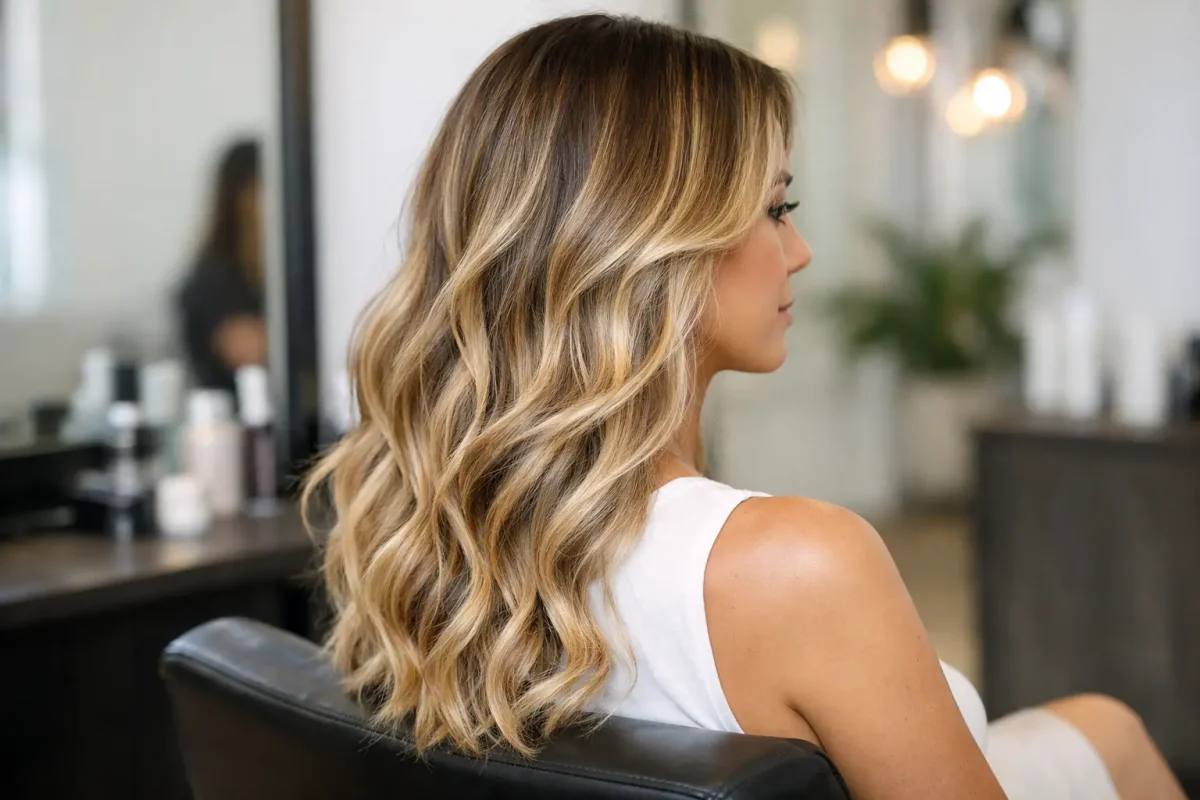
A great balayage should not look like you booked a color appointment two weeks ago. It should look like your hair has naturally picked up light, movement, and dimension in all the right places. This balayage Brisbane northside guide will help you choose a look that suits your features, your starting color, and the amount of salon upkeep you actually want.
Balayage is one of the most requested color services for good reason: it can be soft and understated, bright and beachy, or dramatically high-contrast without looking stripey. But the best result is never copied straight from a photo. It is customized around your hair, your lifestyle, and what can be achieved while keeping the hair in good condition.
What balayage actually means
Balayage is a hand-painted lightening technique. Rather than placing every highlight in a uniform foil pattern, your stylist paints selected sections to create a softer, more blended shift from deeper roots to lighter ends. The placement is designed to work with the way your hair falls, which is why a well-done balayage has movement even when your hair is simply air-dried.
It is often confused with ombre, traditional highlights, and foilyage. Ombre usually has a more obvious graduation from dark through the mid-lengths to light ends. Traditional highlights tend to start closer to the root and follow a more consistent pattern. Foilyage combines hand-painted placement with foils to build extra lift, which can be useful when brunette hair needs to reach a brighter caramel or blonde result.
The technique matters, but the finished effect matters more. Your appointment may involve a mix of painting, foils, root melting, glossing, and a face-framing section. That is not overcomplicating things. It is how a stylist creates the soft blend and tailored brightness that clients expect from balayage.
Choosing a balayage that looks like you
The most flattering balayage is not always the palest blonde on your inspiration board. A color that suits your natural base and skin tone will usually look more expensive, grow out better, and feel easier to wear every day.
For blonde and dark blonde hair
If your natural hair is blonde or dark blonde, you have plenty of room for bright, creamy, beige, honey, or cool champagne pieces. The key is avoiding too much lightness in every section. Leaving some depth underneath and at the root gives the color dimension, so it does not become flat or overly solid.
A brighter money piece around the face can make a major impact without committing to a fully highlighted look. For a softer finish, ask for delicate face-framing brightness that melts into the rest of the color rather than a bold, high-contrast panel.
For brunettes
Brunette balayage can be rich, glossy, and anything but boring. Think espresso with ribbons of mocha, cinnamon, caramel, or soft golden brown. The right tone depends on both the warmth in your natural hair and your preference. A warm caramel balayage can look sunlit and vibrant, while a more neutral beige brunette result feels polished and subtle.
Going from very dark hair to a pale blonde balayage is possible in some cases, but it is rarely a one-appointment process if hair health is the priority. A realistic plan may involve gradually lifting the hair over several visits, with conditioning support and carefully chosen tones along the way. Patience is worth it when it protects the condition and shine of your lengths.
For red, copper, and warmer tones
Balayage is not limited to blonde. Copper ribbons, strawberry warmth, cinnamon pieces, and golden apricot dimension can make natural red or warm brown hair look incredibly fresh. Warm shades often reflect light beautifully, but they can fade faster than cooler tones. A gloss appointment between bigger color services can keep the finish rich rather than washed out.
For gray blending
If you are beginning to see gray strands around the part or hairline, balayage can soften the contrast between natural growth and colored hair. Fine, strategically placed lightness helps gray blend into the overall pattern instead of sitting apart from it. Whether you also need root coverage depends on how much gray you have, how much contrast you prefer, and how often you want to return for color.
What to bring to your consultation
Photos are useful, but one photo is rarely enough. Bring a few images that show what you like about different looks: perhaps the brightness around the face in one, the warm tone in another, and the lived-in root in a third. It is equally helpful to point out what you do not want, such as yellow warmth, visible lines, very light ends, or a strong root shadow.
Be honest about your color history. Previous salon color, box dye, dark toners, lightening, henna, and even old fashion shades can affect how your hair lifts. This is not about judgment. It gives your stylist the information needed to choose the safest formula and set a realistic expectation for the day.
Your usual styling routine also matters. If you wear your hair wavy, straight, clipped up, or mostly in a ponytail, the balayage placement should still look intentional. A practical color service considers how you live in your hair, not only how it looks immediately after a blowout.
The first appointment: what affects timing and price
Balayage appointments can take longer than a single-process root color because the placement is detailed and the result is layered. Your starting shade, hair density, length, past color, and desired brightness all affect the service. The finishing steps matter too. Toner or gloss refines the tone after lightening, while a root melt can create that soft, shadowed transition people associate with a lived-in balayage.
If you are choosing between a partial balayage and a full balayage, consider where you want to see lightness. A partial service focuses on the visible areas, often around the face, crown, and top layers. It is a smart choice if you want a subtle refresh or have already established a balayage. A full service adds dimension throughout the hair, including underneath, and is usually better for a first major transformation or for anyone who wears their hair up often.
Do not choose solely by the lowest starting price. Correct placement, controlled lightening, and a customized toner are what make balayage grow out softly instead of turning brassy, patchy, or overly striped. Good color takes a plan.
Keeping balayage fresh between appointments
One reason balayage remains so popular is its forgiving grow-out. Because the lightness is blended away from the scalp, there is no sharp regrowth line demanding attention every few weeks. Still, low maintenance does not mean no maintenance.
Use salon-recommended shampoo and conditioner suited to color-treated hair, and reduce how often you use high heat where possible. Always apply heat protectant before blow-drying, curling, or straightening. Lightened ends are naturally more porous, so they need more moisture and gentler treatment than untouched hair.
Brassiness is normal over time, especially in Brisbane’s bright conditions and after swimming. Mineral buildup, sun exposure, heat, and everyday washing can all shift the tone. A purple or blue-toning product may help certain blonde or brunette shades, but it should be used with guidance. Overusing it can leave hair dull, murky, or overly cool. For the most polished refresh, book a gloss when the tone starts to lose its shine.
A balayage refresh schedule depends on your look. Some clients enjoy their color for several months before repainting, while others prefer a toner and face-frame refresh sooner. If you like very bright blonde ends or a defined money piece, you will likely want more regular appointments. If you love a soft brunette or natural blonde blend, you can usually stretch the time between full services.
When balayage may not be the best first step
Balayage is versatile, but it is not the answer to every color goal. If you want very even, all-over lightness from root to end, a full foil service may be more suitable. If your hair has been heavily colored at home or is feeling fragile, a color correction or a gentler transition plan may be the responsible place to start.
The best stylist advice sometimes sounds like, “not all at once.” That is especially true when you want to remove dark artificial color, repair dryness, or make a dramatic change. Building toward your goal in stages can still feel exciting, and it gives your hair a much better chance of staying strong, glossy, and touchable.
The right balayage is the one that gives you that little lift every time you catch your reflection, while still fitting your real routine. Book an appointment at Twisted Scissors in Bridgeman Downs to create a balayage plan that feels completely your own.