
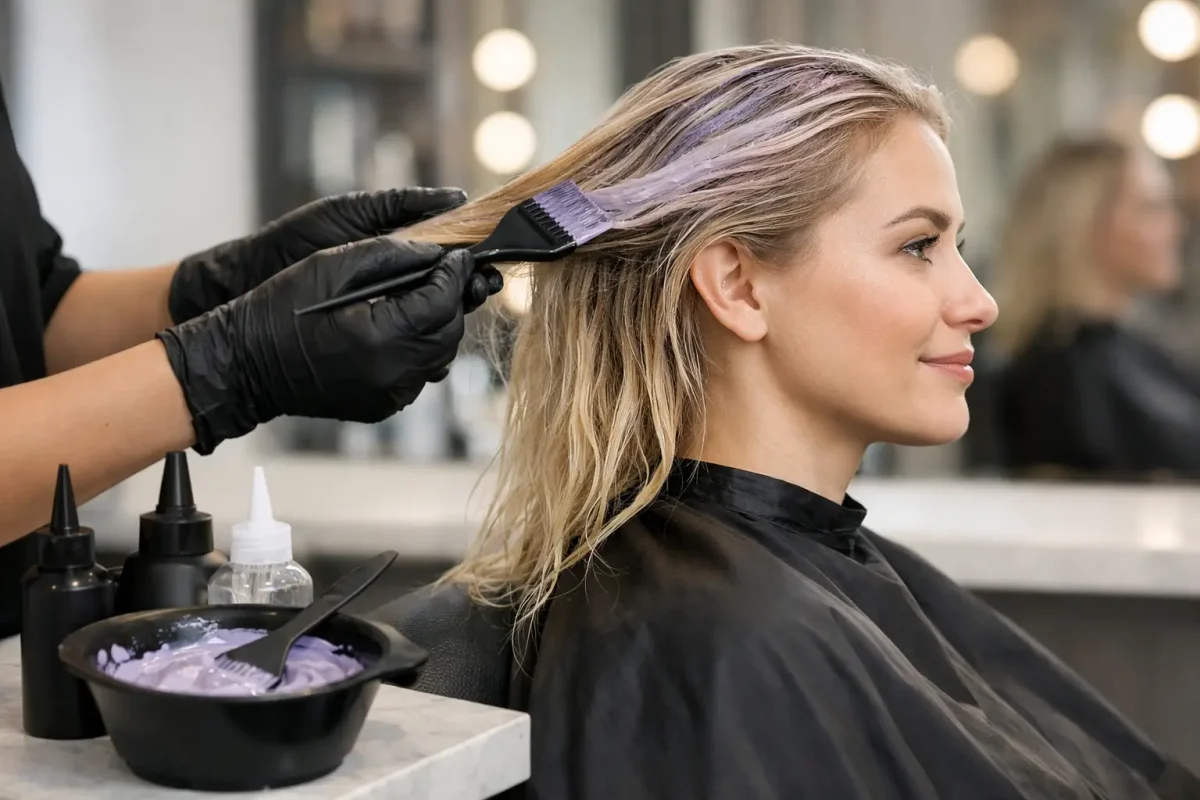
Fresh highlights can look amazing under salon lights, then suddenly feel too warm, too yellow, or a little brassy a few weeks later. That is exactly where a professional toner appointment guide becomes useful. A toner service is one of the smartest ways to refresh your color without committing to another full lightening session, especially when you love your brightness but want a more polished, intentional finish.
Toner is not a one-size-fits-all product or a shortcut to every color concern. The right formula, placement, processing time, and aftercare depend on your current hair, the color you want to see, and how your hair has been treated previously. Here is what to expect, how to prepare, and how to get the most from your next appointment.
What a Professional Toner Appointment Can Do
A salon toner is a color service designed to refine the tone of your hair. It can neutralize unwanted warmth, soften overly ashy hair, add shine, deepen a faded shade, or make highlights and balayage look freshly finished again. Think of it as the final polish that helps your color look deliberate rather than in-between.
For blondes, that may mean cooling yellow or orange tones into beige, pearl, icy, creamy, or smoky blonde. Brunettes may use toner to reduce red or orange warmth, enrich chocolate and caramel shades, or create a glossier, more even-looking finish. Fashion colors can also benefit from toning, whether you want to refresh a soft pastel or shift the direction of a fading vivid shade.
What toner cannot always do is lighten hair significantly. If your hair is very dark, strongly orange after lightening, or has bands from previous color, a toner alone may not create the result you have saved on your phone. In those situations, your stylist may recommend additional lightening, a color correction plan, or a gloss that enhances what is already there while protecting the condition of your hair.
Before Your Professional Toner Appointment
Come in with a clear idea of what you like, but leave room for professional advice. Photos are helpful because words such as “ash,” “beige,” “warm,” and “natural” can mean different things to different people. Bring a few reference images that show the depth and finish you want, rather than relying on one heavily filtered photo.
It also helps to think about what you do not want. Perhaps your blonde goes golden too quickly, your brunette pulls copper in sunlight, or your previous toner felt too gray. These details give your stylist a stronger starting point than simply asking for “cooler” hair.
Be honest about your color history. Box dye, henna, color-depositing masks, recent toning shampoos, bleaching, and chemical smoothing services can all affect how your hair processes. This is not about judgment. It is about avoiding unpredictable results and choosing a formula that respects your hair’s condition.
You do not need to arrive with freshly washed hair unless your stylist has advised it. Light natural oils are usually fine for a toner service. However, avoid applying heavy oils, leave-in treatments, dry shampoo buildup, or intensely pigmented temporary products right before your visit. These can interfere with an even result or make it harder to assess your true starting tone.
Ask for the finish, not just the color
The most flattering toner is about more than whether it is warm or cool. Your stylist will consider your skin tone, haircut, existing highlight pattern, and maintenance preferences. A bright icy blonde can look striking, but it often needs more frequent upkeep than a softer champagne or neutral beige blonde. A rich, warm brunette may fade more gracefully than an ultra-cool mushroom tone.
If you want lower maintenance, say so. A lived-in result that grows out softly may suit your schedule better than a high-contrast finish that needs regular refreshing. Great color should work with your real life, not only look good on appointment day.
What Happens During the Service
Your appointment should begin with a consultation and a close look at your hair in natural-looking light. Your stylist will assess the warmth showing through, the porosity of your hair, any uneven areas, and how your existing color has faded. Porous ends can grab pigment quickly, while healthier roots may need a different approach to create a balanced result.
The toner is then chosen to complement your hair’s underlying pigment. Color theory matters here. Violet helps counter yellow, blue helps soften orange, and other shades may be blended to create a neutral, beige, caramel, rose, or glossy brunette result. Professional formulas are often customized, which is why a salon service can look more dimensional and natural than using a single at-home product.
Depending on the service, your hair may be shampooed first, then the toner applied at the bowl or through the hair in sections. Processing time is carefully monitored. This matters because toner can shift quickly on lightened or porous hair. Your stylist may check it several times rather than relying on a fixed timer.
After rinsing, your hair is usually conditioned and styled so you can see the finished tone properly. Wet hair can disguise warmth and depth, while styling reveals how the color reflects in movement and light. If something needs a subtle adjustment, it is best to discuss it before you leave.
How Long Does Toner Last?
Most toners gradually fade over several weeks, though the exact timeline depends on your hair and home routine. Porous, heavily lightened hair may release tone faster. Frequent washing, hot water, swimming, sun exposure, heat styling, and strong clarifying shampoos can also shorten the life of your result.
A toner refresh often makes sense between larger color appointments. For example, someone with balayage may not need more lightening yet, but may want to bring back that clean, expensive-looking blonde finish. Someone growing out gray blending or a soft brunette color may want added shine and tone without changing the placement of their color.
There is a trade-off: toning too frequently without assessing hair condition can leave very porous hair looking dull or overly smoky. Your stylist can advise the right rhythm for your hair instead of following a rigid calendar.
Keep Your Tone Fresh at Home
The best aftercare is simple and consistent. Use salon-recommended shampoo and conditioner suited to color-treated hair, wash with lukewarm rather than very hot water, and apply heat protectant before blow-drying or using hot tools. Those small habits protect both the tonal result and the shine that makes color look healthy.
Purple or blue shampoo can be useful, but it is not an everyday fix for everyone. Used too often, it can leave pale or porous blonde hair looking dull, lavender, or uneven. For some clients, using it once a week is enough. For others, a color-safe hydrating routine and regular salon glosses deliver a better result. The right choice depends on whether you are fighting yellow, orange, fading, dryness, or all of the above.
If you swim often, rinse your hair with clean water before getting in the pool and again afterward. Chlorine and mineral buildup can make light hair look dull or shift its tone. A professional clarifying and toning service may be a better solution than repeatedly layering purple shampoo over buildup.
When Toner Is Not the Whole Answer
If your hair has obvious orange bands, very dark regrowth, major unevenness, or old color that will not shift, a toner may improve the appearance but not solve the cause. This is where an honest consultation matters. Pushing too hard for an icy result in one sitting can compromise your hair or create a tone that fades unpredictably.
A thoughtful color plan may involve gradual lightening, strategic highlights, a root melt, a gloss, or restorative treatments alongside color. It may take more than one visit, but the payoff is healthier hair and a result that looks better for longer. The goal is never just to cancel warmth. It is to create a color that suits you, feels polished, and remains wearable between appointments.
When your color needs a fresh, customized finish, book an appointment at Twisted Scissors in Bridgeman Downs.