
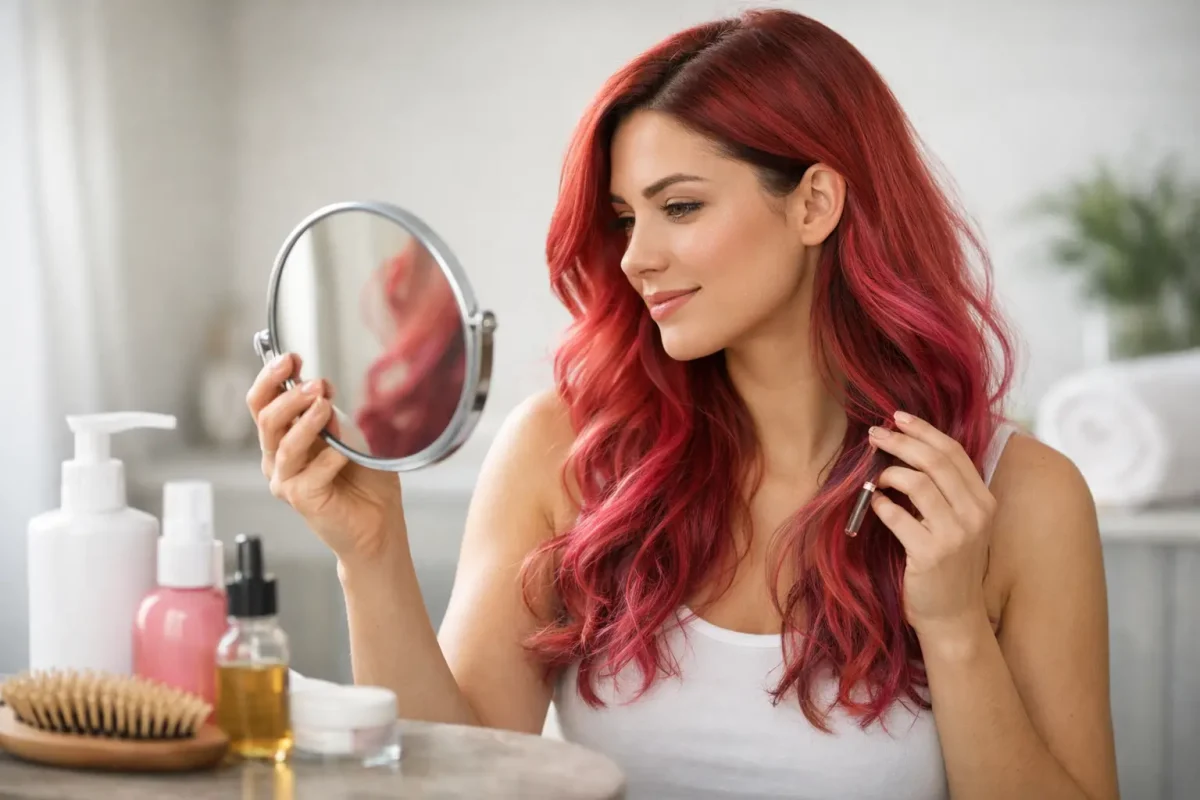
That fresh-from-the-salon shine can feel almost unfairly good: your color is rich, reflective, and exactly the tone you pictured. Then a few weeks of hot showers, sunny days, and rushed wash routines can leave it looking flatter than expected. Knowing how to protect coloured hair is what helps your balayage stay blended, your copper stay bright, or your fashion shade keep its personality long after your appointment.
Color-treated hair needs a slightly different routine because the coloring process changes the hair’s outer layer. Whether you have subtle dimensional highlights, a full brunette refresh, icy blonde, or a vivid pastel, the goal is the same: minimize fading, preserve moisture, and keep the tone looking intentional rather than tired.
Start With the First 72 Hours
The first few days after a color appointment set the tone for how well your shade wears. Your stylist will let you know when it is best to shampoo, especially if you have had a toner, gloss, vivid color, or a service that required extra processing. In many cases, waiting 48 to 72 hours before the first wash gives the color time to settle and helps prevent an early fade.
This is also the time to avoid very hot water, heavy workouts if possible, and swimming. Sweat itself is not a disaster for your color, but frequent washing immediately after a service can shorten the life of a fresh tone. If your roots need a lift between washes, use a dry shampoo sparingly and brush it through thoroughly so buildup does not collect at the scalp.
Wash Less, and Turn Down the Temperature
If your current routine involves shampooing every day, reducing that frequency can make one of the biggest differences to your color. Every wash exposes the hair to water, surfactants, friction, and heat from styling afterward. For many people, washing two to three times a week is enough, though the right schedule depends on your scalp, hair texture, workout routine, and preferred style.
When you do wash, use lukewarm water rather than steaming-hot water. Hot water can roughen the cuticle and allow color molecules to escape more quickly, while also leaving the lengths drier. Finish with a brief cool rinse if you can tolerate it. It will not magically repair damage, but it can help the cuticle lie flatter, which makes hair look smoother and more reflective.
Choose a color-safe shampoo and conditioner that suit your hair’s actual needs. A lightweight formula can work well for fine hair that gets oily quickly, while a more nourishing option may suit thick, bleached, curly, or highly processed hair. Color-safe does not have to mean heavy. The best product is one that cleans the scalp without stripping the lengths or leaving your hair limp.
Be Careful With Clarifying Shampoo
Clarifying shampoo has a place, particularly when hair feels coated with dry shampoo, minerals, or styling residue. But it is designed to clean deeply, which can also pull color and toner out faster. Use it only when you genuinely need it, then follow with a conditioning mask.
If you live in an area with hard water, mineral buildup can make blonde look dull, brunette look less glossy, and fashion colors lose clarity. A shower filter may help reduce the minerals reaching your hair, while an occasional professional treatment can reset the look without making your at-home routine overly complicated.
How to Protect Coloured Hair From Heat Damage
Heat is one of the quickest ways to fade color and weaken already processed hair. Flat irons, curling wands, and high-powered blow-dryers can all make hair look polished in the moment, but repeated high temperatures gradually reduce softness, shine, and color vibrancy.
You do not need to give up heat styling completely. The practical move is to use it more strategically. Always apply a heat protectant before blow-drying or using hot tools, and make sure it is distributed through the mid-lengths and ends rather than sprayed only over the surface. Keep your tool temperature as low as possible while still getting the result you want. Fine, lightened, or fragile hair rarely needs the highest setting.
Letting hair air-dry partway before blow-drying can reduce heat exposure, as can working in smaller sections so you do not need to pass over the same piece repeatedly. A smooth blow-dry with a heat protectant is usually kinder to color than repeatedly touching up bends and frizz with a flat iron throughout the week.
Treat Sun Exposure Like a Color Concern
Brisbane’s bright sun is wonderful, but UV exposure can fade hair color just as it fades fabric. Red, copper, pastel, and vivid shades are often the first to show it, although blondes can become warmer and darker colors can lose their rich finish too.
On long days outdoors, cover your hair with a hat or scarf when it makes sense. A UV-protective hair mist can provide an extra layer of support, especially at the beach, during weekend sport, or when you know you will be in direct sun for hours. Think of it as sunscreen for the finish of your color, not a substitute for shade or physical coverage.
Saltwater and chlorinated pools deserve the same attention. Before swimming, wet your hair with clean water and apply a leave-in conditioner. Hair that is already saturated with fresh water is less likely to absorb as much pool or ocean water. Afterward, rinse as soon as you can and use a gentle shampoo if needed. This matters even more for blondes, because pool minerals can sometimes create unwanted green or dull tones.
Keep Moisture and Protein in Balance
Colored hair often needs more conditioning, but more is not always better. Hair that feels rough, frizzy, tangly, or thirsty may benefit from a hydrating mask once a week. Look for formulas that improve slip and softness, then leave them on for the recommended time rather than overnight unless the product specifically calls for it.
Protein treatments can be useful when hair has been lightened and feels stretchy, weak, or prone to breakage. However, using strong protein products too often can leave some hair types feeling stiff or dry. This is where the condition of your hair matters more than a fixed schedule. If your hair feels soft but lacks strength, try occasional protein. If it feels hard or brittle, focus on moisture and ask your stylist what treatment is appropriate.
A leave-in conditioner is another simple way to protect the most vulnerable areas. Apply it lightly from mid-lengths to ends after washing, concentrating on the pieces that have been lightened, toned, or exposed to the most heat. It can improve manageability, reduce snapping during detangling, and help your color look healthier because smooth hair reflects more light.
Use Toning Products With a Light Hand
Purple shampoo can be helpful for keeping some blondes, grays, and cool highlights from looking brassy. Blue shampoo can help counter excessive warmth in certain brunette shades. But these products are maintenance tools, not everyday shampoo for everyone.
Overusing a toning shampoo can leave light hair looking dull, smoky, or slightly uneven, especially where the hair is porous. Start with once a week or as advised by your stylist, then adjust based on what you see in the mirror. If your blonde is turning yellow quickly, the answer may not be more purple shampoo. It may be sun exposure, mineral buildup, or a toner that needs a professional refresh.
The same rule applies to color-depositing conditioners for coppers, reds, pinks, and other fashion shades. They can beautifully extend your color between appointments, but the wrong tone or too much pigment can alter the result. Use the shade your stylist recommends and apply it evenly to avoid patchiness.
Protect Your Color at Night and Between Trims
Your pillowcase and everyday habits affect your hair more than most people realize. Cotton can create more friction, particularly if you toss and turn, while a silk or satin pillowcase helps hair glide more easily. It is a small change that can reduce frizz and help protect delicate, lightened ends.
Avoid tight elastics and hairstyles that pull constantly in the same place. Choose soft scrunchies or snag-free ties, and vary your part or ponytail placement if you wear your hair up often. Gentle brushing matters too: begin at the ends, work upward, and never force a brush through wet, tangled hair.
Regular trims do not make color last longer chemically, but they keep the overall look polished. When dry, split ends creep upward and make even beautiful color look less expensive. A trim, gloss, toner, or face-framing refresh between larger color appointments can often keep your style looking fresh without needing to redo everything.
Your best color-maintenance routine should fit your real life. A busy gym schedule, frequent swimming, naturally oily roots, or a bright fashion shade may mean you need a more tailored plan than the standard advice. The right routine protects your investment while still letting you enjoy your hair.
Book an appointment at Twisted Scissors in Bridgeman Downs.