
That saved inspiration photo can be a great starting point, but it is not a color formula. The best Albany Creek hair colouring is designed around the hair you have now, the time you want to spend maintaining it, and the version of yourself you want to see in the mirror. A bright, expensive-looking blonde, rich brunette gloss, or playful pastel can all look incredible when the plan is personal rather than copied.
Color should feel exciting, not like a monthly source of stress. Before choosing a shade or technique, it helps to understand what creates a flattering result, what affects the appointment process, and how to keep your hair feeling as good as it looks.
Albany Creek Hair Colouring Starts With Your Real Hair
A good color consultation is where the transformation begins. Your stylist will look beyond the inspiration image and assess your natural base, existing color, previous lightening, density, texture, and overall condition. These details affect what is achievable in one appointment and the safest path to get there.
For example, naturally dark hair moving toward a cool, bright blonde often needs more than one lightening session. Pushing too hard in a single visit can leave hair dry, uneven, or prone to breakage. A gradual plan may not be as instant as a dramatic reveal, but it protects the quality of your hair and usually creates a more polished result along the way.
Your lifestyle matters too. If you want a low-maintenance look, a soft root, lived-in highlights, or balayage can give you dimension without a sharp line as your hair grows. If you love a precise, high-impact finish and are happy to visit regularly, an all-over color, vivid fashion shade, or close-to-the-root blonde may be the better fit.
Skin Tone Is Useful, Not a Rulebook
Warm, cool, and neutral tones can guide a color choice, but they should not limit it. Golden caramel, copper, beige blonde, smoky brown, and cherry tones can all be tailored to complement your complexion. The difference often comes down to depth, placement, and the balance between warm and cool reflects.
If you are drawn to a shade that seems outside the usual advice for your skin tone, bring it up. The right adjustment can make a trend-led color feel completely wearable. A warmer blonde may need a softer root shadow, while a bold red may look more natural with a deeper base and fine, blended dimension.
Choose a Technique That Matches Your Maintenance Level
The color technique is just as important as the shade. It determines how your hair grows out, how much movement you see, and how often you will want a refresh.
Balayage remains a favorite for a reason. Hand-painted lightness gives a soft, sunlit finish, particularly through the mid-lengths and ends. It works beautifully for clients who want brightness without the appearance of frequent root maintenance. The trade-off is that balayage is not always the quickest route to a very light, uniform blonde. It is designed for softness and dimension, not an identical lift from roots to ends.
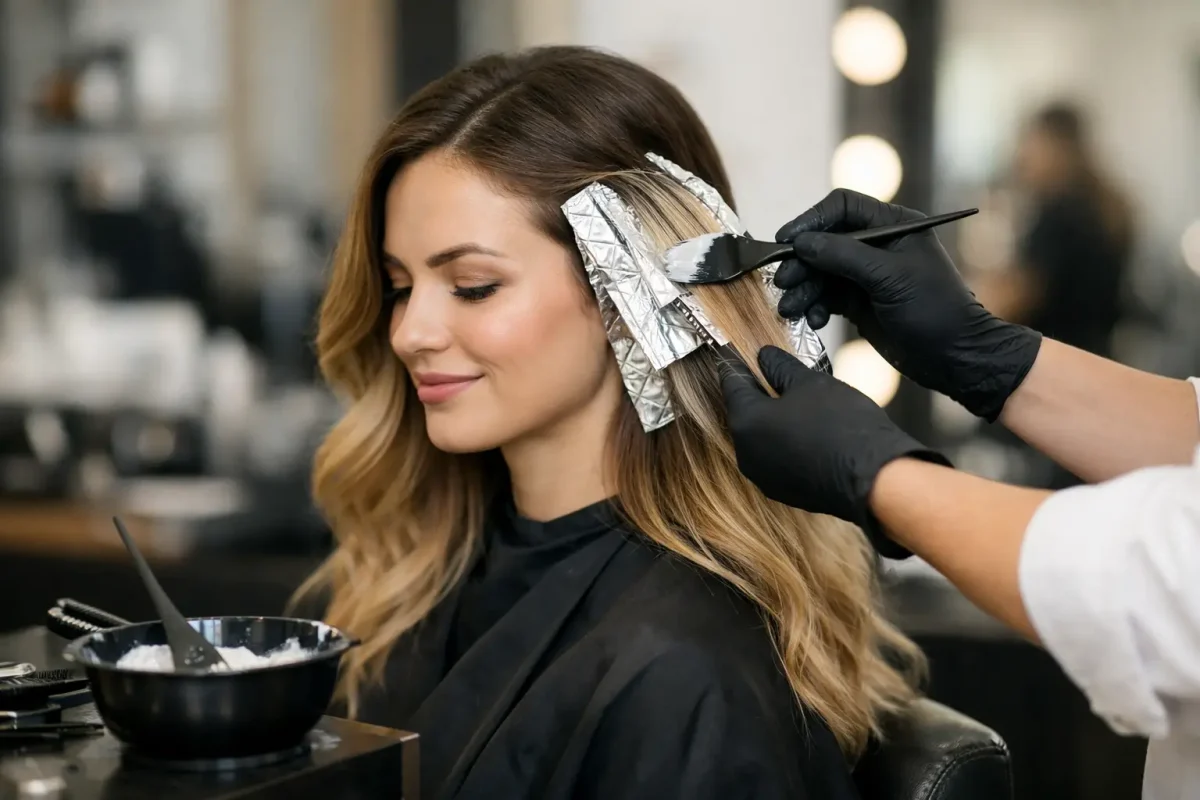
Foils are ideal when you want more controlled lightening, greater brightness close to the scalp, or detailed placement around the face. Fine highlights can create a delicate, blended finish, while chunkier sections give a stronger contrast. A partial foil may be enough to refresh the hairline and crown between larger appointments, depending on your existing color.
For a richer look, lowlights and glossing services can make a major difference without dramatic lightening. Adding depth back into overly blonde hair can create a more modern, dimensional result, while a gloss can enhance shine, refine unwanted warmth, and make faded color look freshly finished. These are smart options when your hair needs a break from bleach but you still want a visible change.
Ombre creates a clearer transition from deeper roots to lighter ends than balayage. It can be striking and easy to grow out, especially when the contrast is intentional. If you prefer a softer, more blended result, ask about a root melt or diffused shadow root instead.
Fashion colors, pastels, and neons offer maximum self-expression, but they need realistic expectations. Most vivid shades fade faster than natural tones, particularly pinks, purples, blues, and pastels. The lighter and more porous the hair, the more easily it can take color, but that also means careful home care is essential to keep the shade looking clean rather than washed out.
Healthy Hair Makes Every Color Look Better
Healthy hair reflects light more evenly, holds color more predictably, and styles with a smoother finish. That does not mean your hair has to be perfect before a color appointment. It means the color plan should respect its current condition.
Bleach, heat styling, hard water, sun exposure, and at-home coloring can all affect the hair’s porosity. Highly porous lengths may grab toner quickly, fade unevenly, or need a gentler approach. Your stylist may recommend a bond-supporting treatment, a trim, or a staged lightening plan before attempting a major shift.
Box dye is especially difficult to predict. Dark color applied at home can build up over time, and lighter box shades do not reliably lift previously colored hair. Color correction may involve several sessions because artificial pigment often has to be removed gradually. Being honest about your color history, even if it was months ago, gives your stylist the information needed to protect your hair and set a realistic plan.
There is also a difference between wanting less warmth and expecting no warmth at all. When dark hair is lightened, underlying warm pigments are revealed. Toner can refine those tones, but it cannot permanently erase the natural lightening process. Cool blondes and ash browns can look beautiful, though they may require more regular toning than warmer, softer shades.
Keep Your New Color Looking Fresh at Home
The right appointment creates the color, but your routine keeps it looking fresh. Use a color-safe shampoo and conditioner suited to your hair’s needs, and wash in lukewarm rather than very hot water where possible. Hot water can make the cuticle swell and allow color molecules to fade faster.
Heat protection is non-negotiable if you blow-dry, curl, or straighten regularly. It helps reduce dryness and protects the shine that makes fresh color look expensive. If you have blonde, silver, or highlighted hair, a purple-toning product may be useful occasionally, but it is not an everyday substitute for professional toning. Overuse can leave some hair looking dull or slightly violet.
For vivid colors, cooler washing, fewer shampoo days, and color-depositing conditioners can extend the life of the shade. Ask for recommendations based on your exact color because not every pigment needs the same care. Red tones may benefit from a different refresh routine than pastel pink or deep blue.
Know When It Is Time for a Refresh
You do not have to wait until your color looks completely faded to book in. A gloss appointment can restore tone and shine between larger services, while a face-framing refresh can bring brightness back around your features. Root touch-up timing depends on your natural color, chosen shade, and how defined you like the regrowth line to be.
If your ends feel dry, your blonde has become brassy, or your old color no longer looks like the photo you loved, that is useful information rather than a failure. Color changes with wear, seasons, water, and styling habits. A quick professional adjustment is often easier than trying to correct it yourself at home.
The most flattering color is not necessarily the boldest or the palest. It is the one that suits your features, works with your routine, and still makes you feel confident weeks after the appointment. Book an appointment at Twisted Scissors in Bridgeman Downs to plan color that feels unmistakably yours.