
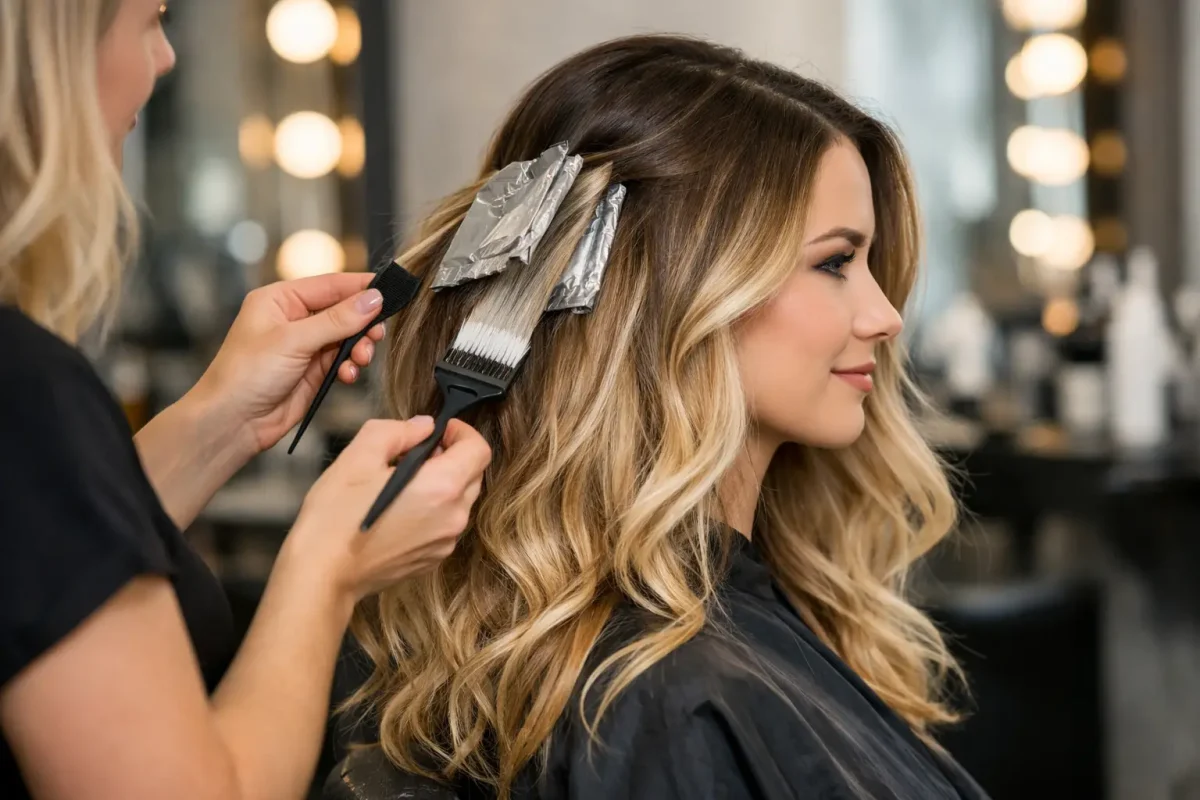
Balayage should look like it belongs to you. The best results are not defined by the number of foils used or how blonde the ends become. They come from thoughtful placement, a flattering tone, and a color plan that works with your natural hair, haircut, and routine. That is why choosing an Aspley balayage specialist is about more than finding a beautiful inspiration photo.
A soft, sunlit blend can make fine hair look fuller, bring movement to a blunt bob, or give longer layers that fresh-from-the-salon dimension. A bolder balayage can create contrast and a genuine style change without committing to an all-over lightening service. Both can be stunning, but they need a different approach.
Balayage Is Personalized, Not One Formula
Balayage is a hand-painted lightening technique designed to create a gradual, blended transition from darker roots to lighter mid-lengths and ends. Unlike traditional highlights, which often follow a more uniform pattern from close to the scalp, balayage allows for softness, variation, and a more lived-in finish.
That flexibility is exactly what makes the technique so appealing. It is also why it takes technical judgment. Painting lightener in the wrong place can leave hair looking stripy, overly warm, or disconnected from the root. Going too light too quickly can compromise condition, especially on hair that has already been colored.
A skilled stylist considers where your hair naturally falls, how much density it has, and where the light will catch when you move. The goal is not to copy every detail of someone else’s photo. It is to create the same feeling – whether that is subtle brightness around the face, creamy dimension through the lengths, or a higher-impact blonding result.
What an Aspley Balayage Specialist Looks For
The consultation is where great balayage begins. Before color is mixed, your stylist should want to understand your starting point and your end goal. Natural regrowth, previous salon color, at-home dye, highlights, toners, and even a recent gloss can all affect how hair lifts.
Hair condition matters just as much as color history. Dry or fragile ends may not safely lighten to the same level as healthy virgin hair, and that does not mean you cannot have beautiful dimension. It may mean building the result over more than one appointment, keeping the lightness softer, or choosing a warmer finish that looks intentional and healthy.
Your lifestyle also shapes the right balayage plan. If you like color that grows out quietly and can go longer between appointments, a root-smudged, low-maintenance blend may suit you best. If you love a bright blonde look and do not mind regular toning, more painted brightness around the hairline and through the ends may be the better fit.
An honest consultation should include realistic timing. Deep brunette hair will not always become icy blonde in one session without risk. Likewise, color correction after dark box dye requires patience and careful work. Healthy hair is always a better result than rushed hair.
Your Cut Changes the Color
Balayage is not separate from your haircut. A textured shag, long layers, a lob, and a sleek blunt cut all reflect light differently. The placement that flatters one shape may feel uneven or too strong on another.
For layered hair, painted pieces can be placed to emphasize movement and create a soft, airy effect. For a bob or blunt cut, finer ribbons of brightness can keep the look polished rather than chunky. Face-framing placement can brighten your features, but it needs to be balanced with the rest of the color so it does not look like two disconnected streaks at the front.
This is where a specialist’s eye makes a visible difference. The color should support the shape you wear every day, not only look good when it is curled for a photo.
Choosing the Right Shade for Your Skin Tone and Style
Blonde is not one color, and neither is brunette or red-toned balayage. The right shade can look expensive, dimensional, and natural against your complexion. The wrong one can make the finish appear flat, brassy, or harsher than you expected.
Warm honey, caramel, golden beige, mushroom brown, ash, pearl, and creamy vanilla tones each create a different mood. Cooler shades can feel modern and polished, but often require hair to lift quite light before toning. Warmer shades can be more forgiving on darker bases and may hold their richness beautifully between appointments.
It depends on your starting color, your skin tone, and how much maintenance you want. A cool finish is not automatically better, and warm does not mean orange. When warm tones are chosen deliberately and balanced correctly, they can look luminous and incredibly natural.
Bring reference images, but bring a few rather than one. Photos taken in different lighting help reveal whether you are drawn to brightness, root depth, tone, contrast, or placement. Your stylist can then identify the common thread and adapt it to your hair.
The Difference Is in the Blend
The signature of beautiful balayage is the blend. There should be no obvious line where your natural color ends and the lighter color begins. Soft transitions are created through strategic painting, saturation, section size, and often a toner or root melt after lightening.
A root melt gently softens the area closest to the scalp, connecting your natural base to the lighter lengths. It can make a bright blonde feel more wearable or add depth to a lighter overall look. A gloss or toner then refines unwanted warmth and gives the color its final character.
This finishing stage should never be treated as an afterthought. Lightened hair can reveal gold, yellow, orange, or red undertones depending on the starting level. The right toner does not simply make every client ash blonde. It creates the specific tone that suits the agreed result while keeping the hair looking dimensional.
Maintenance That Keeps Balayage Looking Fresh
Balayage is often lower maintenance than a solid root-to-end color, but it is not no-maintenance. Lightened hair benefits from a routine that protects tone and condition between visits.
Use salon-recommended shampoo and conditioner suited to colored hair, and add moisture-focused care if your ends feel dry. Heat protectant is essential before blow-drying, curling, or straightening. High heat and frequent hot-tool use can make lightened ends feel rougher and can cause a toner to fade faster.
Purple shampoo can help some blondes manage yellow tones, but it is easy to overuse. Used too often, it can leave porous hair looking dull, smoky, or uneven. It is better to use it occasionally as directed than treat it as a replacement for a professional toner refresh.
Swimming, sun exposure, and mineral-heavy water can also shift the tone of lightened hair. Rinsing after a swim, using a protective leave-in product, and booking a gloss when needed can make a noticeable difference. If you are planning a holiday or a period of lots of sun and swimming, mention it during your appointment so your color plan can take it into account.
When to Book a Refresh
There is no single schedule for balayage. Some clients love a soft grow-out and only need a full refresh a few times a year. Others prefer consistent brightness around the face and book toner or face-framing touch-ups more often.
Watch for signs that your color needs attention: the tone looks overly warm, the ends feel dry, the contrast has become stronger than you like, or your haircut no longer supports the placement. A maintenance appointment may involve a gloss, treatment, trim, and selective brightening rather than repeating a full lightening service every time.
That approach is kinder to your hair and lets the color evolve without unnecessary overlap. The aim is always to maintain shine, softness, and a result that still feels like you when you leave the chair.
The right balayage should make getting ready easier, whether you wear your hair naturally textured, sleek and smooth, or styled with soft waves. Book an appointment at Twisted Scissors in Bridgeman Downs to create a balayage plan that feels current, flattering, and made for your hair.