
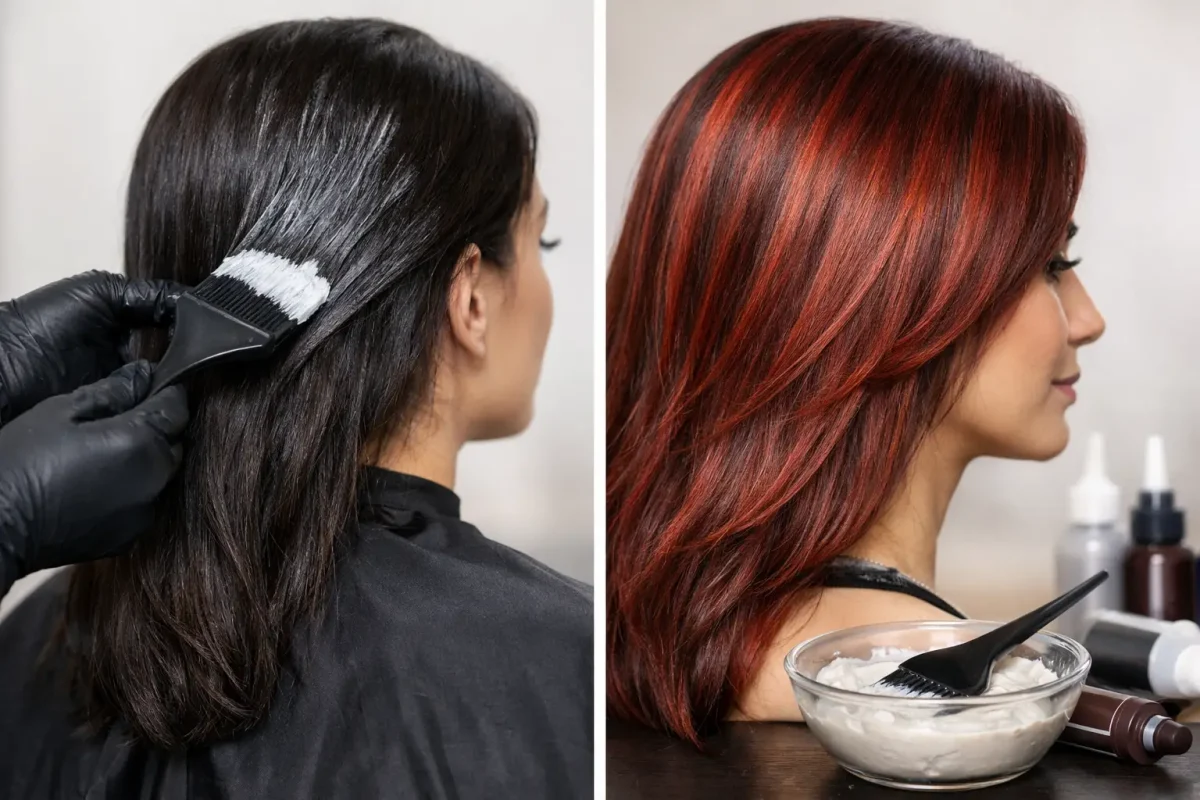
You looked at the bathroom mirror, saw a color that was not quite right, and had the same thought most people do next – can you color over box dye and fix it fast? The short answer is yes, sometimes. The better answer is that it depends on what is already on your hair, how many times you have used box color, and what result you actually want.
This is where a lot of home color plans go sideways. Hair color is not like paint. You cannot just keep layering until it looks better. Box dye leaves behind artificial pigment, and that pigment changes how any new color will grab, fade, or turn.
Can you color over box dye without making it worse?
Sometimes yes, but not every color problem should be covered with more color. If your hair is too dark, patchy, overly warm, or feeling rough, adding another box dye can make the situation harder to correct later.
The safest time to color over box dye is when you are staying close to your current level, your hair is still in decent condition, and you are only trying to shift the tone slightly. For example, toning down brassiness with the right shade is a very different job from trying to go from deep brown to bright copper or blonde.
Where people get into trouble is assuming a lighter box color will lift out an older darker box color. It usually will not. Color does not lift color in that simple way. If your hair has layers of dark artificial pigment, putting a lighter shade on top usually gives you uneven warmth, flat roots, and disappointment.
What box dye leaves behind
One reason box color can be tricky is that it is designed as a one-size-fits-most formula. The developer is often stronger than necessary, and the pigment mix is built for broad use, not for your exact hair history.
After a few rounds of box dye, hair can hold color unevenly. The ends may turn very dark and dense, while the roots process differently because of heat from the scalp. This is why many at-home color fixes create bands, muddy mids, or overly dark ends.
If your hair has been box dyed repeatedly, there may also be a buildup issue. Even if the shade looks faded, the underlying pigment can still affect whatever you apply next. That is especially true with black, dark brown, red, and fashion-inspired shades.
Permanent vs semi-permanent matters
Not all box dye behaves the same way. Permanent color changes the hair more deeply and is harder to remove or shift. Semi-permanent color usually sits more on the surface and may be easier to work over, depending on the shade and how porous your hair is.
That said, even semi-permanent shades can stain. Reds, coppers, and darker tones are famous for hanging around longer than expected.
When coloring over box dye can work
If your goal is modest, you have a better chance of getting a result you like. Going darker is generally easier than going lighter. Adjusting tone is also more realistic than chasing a dramatic transformation in one step.
If your current hair is a medium brown and you want a slightly richer chocolate tone, that can be doable. If your blonde turned a little warm and you want it cooler, that may also be manageable with the right professional approach. If your hair is dark box dyed and you want balayage, bright highlights, or a soft beige blonde, that is a correction job, not a quick cover-up.
Healthy hair also gives better options. Hair that still has strength, shine, and elasticity can usually tolerate more than hair that feels gummy, dry, or snaps when stretched.
When you should not just put another color on top
There are a few situations where more dye is likely to create a bigger problem. If your hair is darker than you wanted, another color will not reliably make it lighter. If your roots are one shade and your lengths are another, layering a new shade can lock in the unevenness. If your hair feels damaged, rough, or overly porous, new color may grab too dark in some places and not enough in others.
This is also true if you have used several different brands or shades over time. Mixed color history makes results less predictable because each formula leaves different pigment behind.
A lot of people also underestimate how stubborn red undertones can be. If you have used warm brown, auburn, burgundy, or red box dye, trying to cover it with ash at home can turn the color dull, murky, or strangely uneven rather than actually neutral.
Why salon color correction is different
Professional color correction is less about covering and more about reading what is on the hair first. That means looking at your natural level, the existing artificial pigment, porosity, previous color history, and how much your hair can safely handle.
A stylist can decide whether your hair needs a color remover, a gentle lightening process, a filler, a toner, a root melt, or a completely different approach. That is why salon correction tends to look more balanced and feel healthier afterward. It is customized instead of guessed.
Just as important, a stylist can tell you when not to push your hair too far in one visit. Sometimes the best result comes from correcting in stages to protect the integrity of the hair.
The goal matters more than the question
When clients ask, can you color over box dye, the real question is usually one of these: can I go lighter, can I fix brassiness, can I cover patchiness, or can I get to the shade I actually wanted?
Each one needs a different plan. Going lighter usually requires lifting or removing old artificial pigment. Fixing brassiness often means correcting tone, not adding random darker color. Covering patchiness may require rebalancing the canvas before applying a final shade. Getting to your ideal color may mean accepting that the healthiest route takes more than one appointment.
What to do before making your next move
If you have just used box dye and hate the result, resist the urge to panic-color over it the next day. Freshly colored hair is vulnerable, and quick fixes usually lead to more uneven color.
Start by assessing the issue honestly. Is it too dark, too warm, blotchy, or just different from the picture on the box? Then look at the condition of your hair. If it feels compromised, the priority should be preserving strength before chasing a new shade.
It helps to know exactly what you used, including brand, shade name, and whether it was permanent or semi-permanent. That information makes a big difference if you decide to get professional help.
If your long-term goal is lighter, softer, cleaner, or more dimensional color, try not to pile on extra home dye in the meantime. Every extra layer can make correction more complicated and more expensive later.
The trade-off nobody talks about
Box dye feels affordable in the moment because it is quick and easy to buy. The trade-off is predictability. The more often you use it, the less control you usually have over tone, depth, and condition.
That does not mean everyone who uses box color ruins their hair. It does mean the margin for error is much smaller than people think, especially if you are trying to lighten, shift from warm to cool, or create a polished salon-like finish.
Hair color is chemistry and design at the same time. The formula matters, but placement, timing, saturation, and hair health matter just as much. That is why the same shade can look completely different from one person to the next.
If you are wondering whether your hair can be safely corrected or refreshed, a professional consultation can save you from guessing and help you choose the smartest next step for your hair, not just the fastest one. If you are ready for expert color advice or a fresh salon result, book an appointment at Twisted Scissors in Bridgeman Downs.