
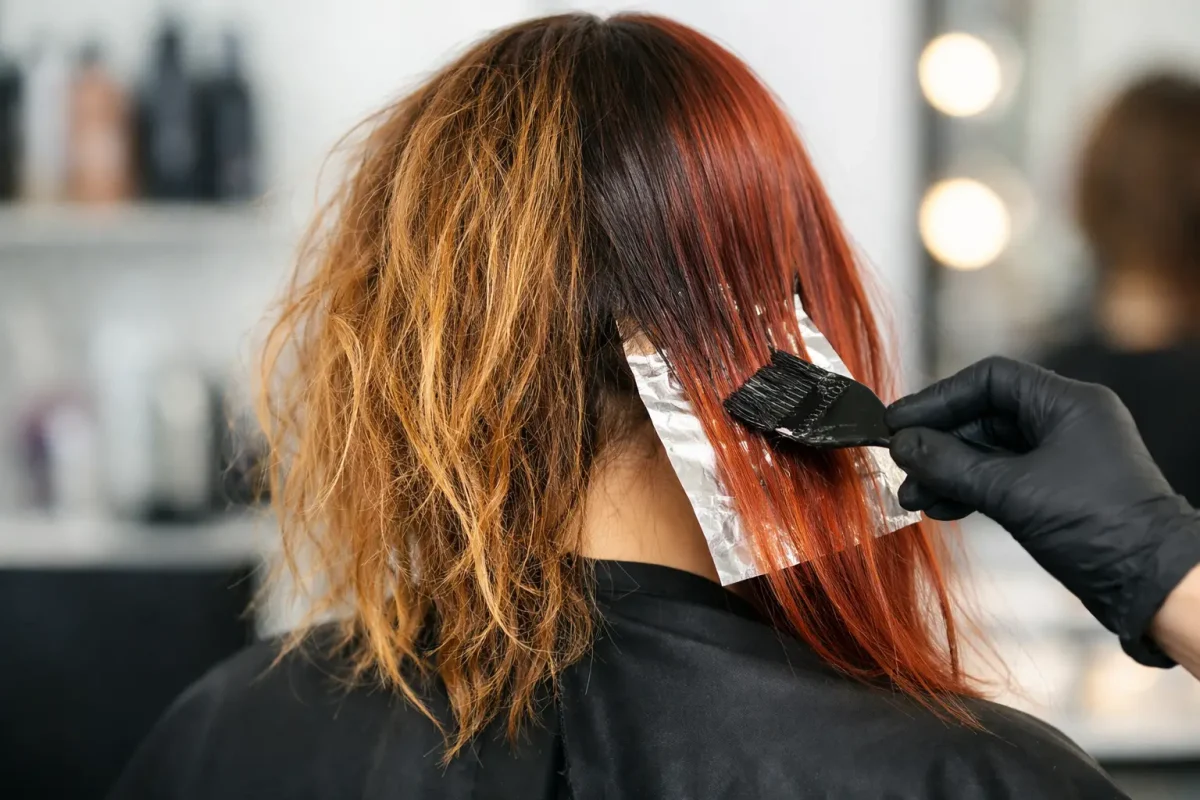
You wanted a fresh color, but your hair is already feeling rough, stretchy, dry, or break-prone. That is usually the moment people ask, can you color over damaged hair? The honest answer is yes, sometimes – but not always right away, and not with every type of color service.
The biggest mistake is treating all hair damage like it is the same. Hair that feels a little dry after summer is a very different situation from hair that is snapping at the ends, turning gummy when wet, or struggling after bleach, box dye, or heat styling. If your hair is damaged, the real question is not just whether you can color it. It is what kind of color your hair can handle without making the condition worse.
Can you color over damaged hair without making it worse?
Sometimes you can, but the answer depends on three things: how damaged the hair is, what kind of color you want, and what has already been done to it.
If your hair is mildly damaged, a professional color service may still be possible with the right formula and approach. A gloss, toner, root touch-up, or darker deposit-only color is usually far gentler than a major lightening service. If your hair is severely damaged, especially from bleach overlap or repeated chemical processing, adding more color can push it past the point where it still feels and looks healthy.
This is where professional judgment matters. Hair does not just need to survive the appointment. It needs to hold color properly, feel manageable at home, and keep enough strength for future services.
What counts as damaged hair?
A lot of people think damaged hair only means split ends, but colorists look for more than that. Dryness, porosity, frizz, dullness, breakage, and a rough texture all matter. So does elasticity.
If your hair stretches too much when wet and does not bounce back, that is a warning sign. If it feels mushy after washing or the ends look see-through, the hair may not be strong enough for another chemical service. Highly porous hair can also grab color unevenly, fade quickly, or turn muddy, which means even if you can color it, the result may not be what you pictured.
Signs your hair may need repair first
Hair usually needs a recovery period before coloring if it is breaking easily, tangling more than usual, looking patchy in tone, or feeling brittle from mid-length to ends. Another red flag is when the hair has been through multiple rounds of bleach, at-home dye, or hot tool use without much aftercare.
That does not mean your color goals are gone. It just means the order matters. Health first, then color.
The safest color options for damaged hair
If your hair is compromised, gentler color choices usually give the best result. Deposit-only color is often the safest place to start because it adds tone without forcing the cuticle open as aggressively as lightening does. This can help refresh faded ends, deepen your base, blend unevenness, or add shine.
Glosses and toners can also be useful when the issue is brassiness or dullness rather than needing a dramatic change. They are not magic fixes, but they can make tired hair look more polished while you focus on improving the condition.
Going darker is usually easier on damaged hair than trying to go lighter. That is because darkening generally deposits pigment, while lightening removes it – and removing pigment is where hair often takes the biggest hit.
When coloring damaged hair is a bad idea
There are times when the answer to can you color over damaged hair is simply not today.
If the hair is actively breaking, feels gummy when wet, has major bleach damage, or has uneven porosity from previous chemical services, more color can create a bigger correction later. The same goes for anyone hoping to lift dark artificial color, go significantly lighter, or jump into fashion shades that need a clean, pale base. Those looks can be beautiful, but damaged hair may not be able to get there safely in one step.
This is the part many people do not love hearing, but it is often the truth: the healthiest appointment is sometimes a haircut, a treatment plan, and a realistic timeline instead of a full color transformation.
Bleach is the biggest risk
If your hair is already damaged, bleach is usually the service that needs the most caution. Lightener can be used strategically in some cases, but it is not something to guess with. Overlapping bleach onto fragile hair can lead to severe breakage, especially around the face, crown, and ends where hair is often most delicate.
If your goal is blonde, balayage, or a vivid shade that requires pre-lightening, the condition of the hair has to come first. Sometimes a stylist can create a softer, lower-maintenance version of the look while protecting the hair. Sometimes the best move is waiting.
How a stylist decides if your hair can be colored
A good consultation is not just about picking a shade. It is about reading the history of your hair. Previous bleach, box dye, permanent color, heat styling, medication changes, and even hard water can all affect how your hair processes.
A stylist will usually check the hair dry and wet, look at the ends, assess elasticity, and consider whether the hair can take the service and still feel good afterward. They are also thinking about whether the color will process evenly and whether the result will last.
That is why two people with the same inspiration photo might get very different recommendations. Hair condition changes the whole plan.
How to prepare damaged hair before coloring
If your hair is not quite ready, a short repair phase can make a noticeable difference. Focus on moisture and strength, but do not overdo protein if your hair already feels stiff. Damaged hair usually responds best to a balanced routine: a gentle shampoo, a nourishing conditioner, a weekly treatment, less heat, and regular trims to stop split ends from traveling.
You also want to be realistic about home habits. Sleeping with wet hair, rough towel drying, daily straightening, and tight styles can all keep damaged hair stuck in the same cycle. Better color starts with better handling.
Timing matters more than people think
If you recently had bleach, a color correction, or a chemical service that left your hair stressed, spacing out your next appointment can protect the integrity of your hair. Sometimes even a couple of weeks of targeted care helps. In more serious cases, you may need longer before the hair is ready for anything beyond a gloss or trim.
Patience is frustrating when you want a new look now, but rushing damaged hair usually costs more in the long run – more breakage, more uneven color, and a bigger repair job later.
What results should you expect?
Even if damaged hair can be colored, the result may need to be adjusted to suit the condition of the hair. That might mean choosing a softer tone, skipping the lightest pieces, leaving the ends out, or aiming for shine and richness instead of a dramatic shift.
This is not settling. It is smart color planning.
Healthy-looking color is rarely about pushing hair to the limit. It is about choosing a result that suits both your style and your hair’s current condition. Sometimes the best color appointment is the one that gets your hair looking better now while setting you up for a bigger change later.
Can you color over damaged hair at home?
This is where many situations go from manageable to messy. Box dye does not adjust itself to the condition of your hair. It does not know where your hair is porous, where it has old color buildup, or where it is fragile. Damaged hair often grabs at-home color unevenly, especially on the ends, which can leave you with dark patches, flat tone, or extra dryness.
Trying to fix damaged hair with a stronger formula is usually the wrong move. If your hair is already compromised, guessing at home can turn a simple refresh into a color correction.
If your hair feels damaged and you still want a color change, a professional plan is the safer option. A stylist can tell you whether your hair needs repair first, whether a gentle color service is realistic, or whether a smaller step will get you closer to your goal without sacrificing your hair.
Good color should make your hair look better, not just different. If you are unsure what your hair can handle, book an appointment at Twisted Scissors in Bridgeman Downs.