How to Maintain a Shag Haircut
How to Maintain a Shag Haircut
A shag looks best when it has a little attitude. That is exactly why it can start looking off faster than more structured cuts. When clients ask how to maintain a shag haircut, the real answer is not about keeping every piece perfectly in place. It is about protecting the shape, keeping the layers light, and knowing when texture has turned into plain mess.
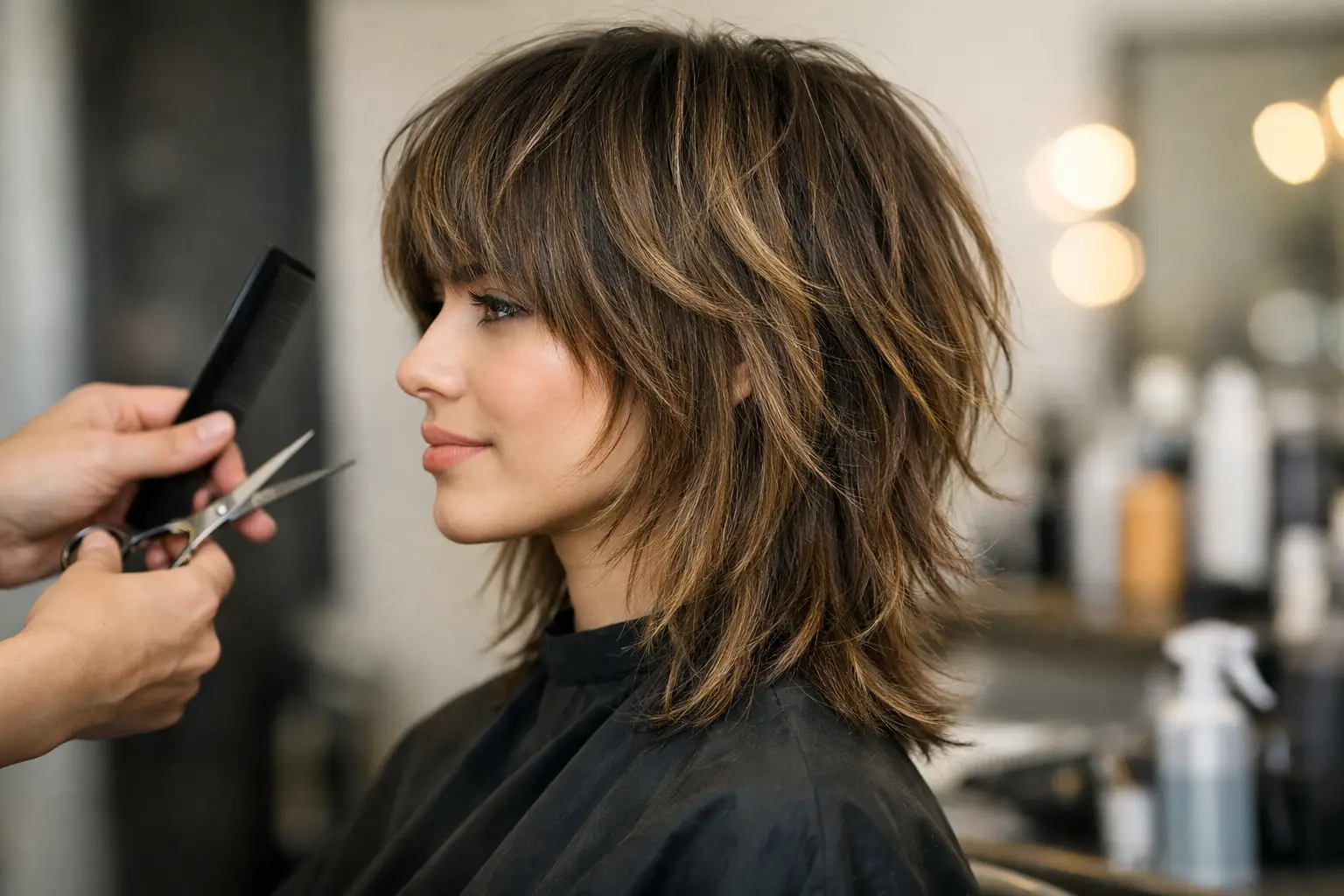
The appeal of a shag is movement. It is soft around the face, textured through the lengths, and usually built to feel a bit undone. But that easy finish still comes from good upkeep. If the fringe gets too heavy, the crown goes flat, or the ends dry out, the cut loses its edge.
How to maintain a shag haircut without losing the shape
The first thing to understand is that shag haircuts are intentionally layered in a way that creates separation and lift. That means maintenance is less about precision lines and more about balance. If one area grows out faster than the rest, the whole cut can feel weighed down.
For most people, a trim every 6 to 8 weeks keeps a shag looking current. If your shag includes curtain bangs or a shorter fringe, you may want a fringe refresh a little sooner. The face-framing pieces are often the first part to lose their shape, and once they start sitting too long or too thick, the haircut can feel less flattering.
Hair texture matters here. Fine hair tends to collapse if the top layers get too long, so regular reshaping makes a big difference. Thick hair can hold a shag longer, but it also gets bulky fast if weight starts building around the sides or crown. Curly or wavy shags often have a bit more flexibility between appointments, though they still need the internal shape checked so they do not puff out in the wrong places.
A good trim should not make your shag feel “too done.” It should simply put the movement back where it belongs.
Wash routine matters more than most people think
If your hair is naturally dry, washing too often can make a shag look frizzy and fluffy instead of textured. If your scalp gets oily quickly, stretching washes too long can flatten the roots and separate the layers in a way that looks stringy rather than piecey. The sweet spot depends on your scalp, your hair density, and how much product you use.
For many clients, washing two to three times a week works well. Use a shampoo that cleans the scalp without stripping the hair, then keep conditioner mostly through the mid-lengths and ends. Heavy conditioning at the roots can make a shag sit limp, especially if the cut relies on airy texture around the crown.
If your hair is color-treated, moisture becomes even more important. A shag with dry ends can start looking tired quickly because the layers make those ends more visible. A lightweight hydrating mask once a week can help keep the shape looking soft instead of brittle.
Dry shampoo is one of the easiest ways to stretch the style between washes, but placement matters. Focus it at the roots, give it a minute to absorb oil, then brush or shake it through. If you pile dry shampoo through the whole head day after day, the hair can lose movement and start feeling coated.
Styling a shag should look effortless, not overworked
The biggest mistake with shag styling is trying to make it too polished. This cut usually looks better with natural bend, soft volume, and a bit of separation. If you smooth every layer into place, you can remove the character that makes a shag work in the first place.
Air-drying can be great for a shag if your natural texture has some wave or bend. Start with a lightweight leave-in product or curl cream, depending on your hair type, then scrunch gently and let the layers form on their own. If your hair tends to dry flat on top, diffuse at the roots for a few minutes to build lift.
If you prefer blow-drying, use a round brush sparingly. You want movement, not a full bounce-out. A vent brush or just your hands can be enough to rough-dry the shape while keeping the finish relaxed. For the fringe or curtain area, directing hair away from the face helps maintain that soft, open shape that many shag cuts are known for.
A flat iron or curling wand can help refine certain sections, but keep it selective. Add a slight bend to pieces that need it rather than styling every strand. The more random and lived-in the texture, the more modern the cut feels.
The best products for shag upkeep
Shags do best with products that add texture without stiffness. You want control, but you still need the hair to move. That usually means lighter formulas and a less-is-more approach.
Texture spray is one of the most useful products for this haircut because it brings back separation when layers start falling together. Sea salt spray can work too, though it depends on your hair. On already dry or highlighted hair, salt-heavy formulas can make the ends feel rough. In that case, a dry texture spray or a soft styling cream is often the better option.
Mousse is underrated for shags, especially on fine or flatter hair. Applied at the roots before drying, it gives the crown support without making the cut feel crunchy. For thicker hair, a small amount of styling cream through the ends can help define layers and reduce bulk.
What you want to avoid is anything too heavy. Thick oils, rich butters, or sticky gels can collapse the volume and make the layers clump together. A shag should feel touchable. If the product is doing more work than the haircut, it is probably too much.
How to maintain a shag haircut as it grows out
A shag can grow out surprisingly well, but only if it is adjusted along the way. Leaving it completely untouched for too long often turns soft layers into a shape that feels accidental. The trick is knowing which part needs attention first.
For some people, it is the bangs. For others, it is the crown or the weight around the jawline. If your hair suddenly feels wider at the sides and flatter on top, that is usually a sign the layering needs to be rebalanced. If the back starts looking long while the front still feels choppy, a minor reshape can reconnect the cut.
There is also a difference between growing out a shag and maintaining one. If you are trying to transition into a lob or a softer layered cut, your appointments should shift toward blending and length retention. If you still want the shag look, the internal texture needs to stay intentional. That is why saying “just a trim” can sometimes miss the point. A shag needs shape, not only shorter ends.
Humidity, heat, and real-life maintenance
Brisbane weather can be tough on textured cuts. Humidity can puff up the layers, flatten the fringe, or create uneven volume depending on your hair type. Heat styling can help, but daily hot tools often create dryness that makes a shag harder to manage over time.
A heat protectant is worth using anytime you blow-dry, diffuse, curl, or straighten. Not because every style needs to be precious, but because shag haircuts rely on healthy-looking ends. Once the ends are fried, the texture stops reading as cool and starts reading as damage.
On humid days, anti-frizz products should be used lightly. Too much and the hair goes limp. Too little and it expands. This is one of those it-depends situations where your best product combo may change with the season. Fine hair usually needs a spray or foam. Thicker or drier hair may need a cream in a very small amount.
Sleeping on a cotton pillowcase can also rough up the cut overnight, especially if your hair has wave or curl. A silk or satin pillowcase helps reduce friction and can make second-day styling much easier.
When your shag needs a professional refresh
There is a point where no amount of styling can fix an outgrown haircut. If the layers feel heavy, the fringe is sitting awkwardly, or the cut has lost all of its movement, it is time for a proper reshape. This is especially true if you have added color or lightening, since texture and condition affect how the layers sit.
A professional stylist can adjust the shag to suit how your hair is behaving now, not just how it looked on the day it was cut. That might mean softening the outline, removing bulk, refreshing the face frame, or tweaking the layering so your daily styling takes less effort.
The best shag haircuts look easy, but they are never random. With the right trim schedule, smart product choices, and a styling routine that works with your natural texture, this cut stays modern, flattering, and genuinely wearable. If your shag needs a refresh or you are ready for a new shape, book an appointment at Twisted Scissors in Mitchelton.