
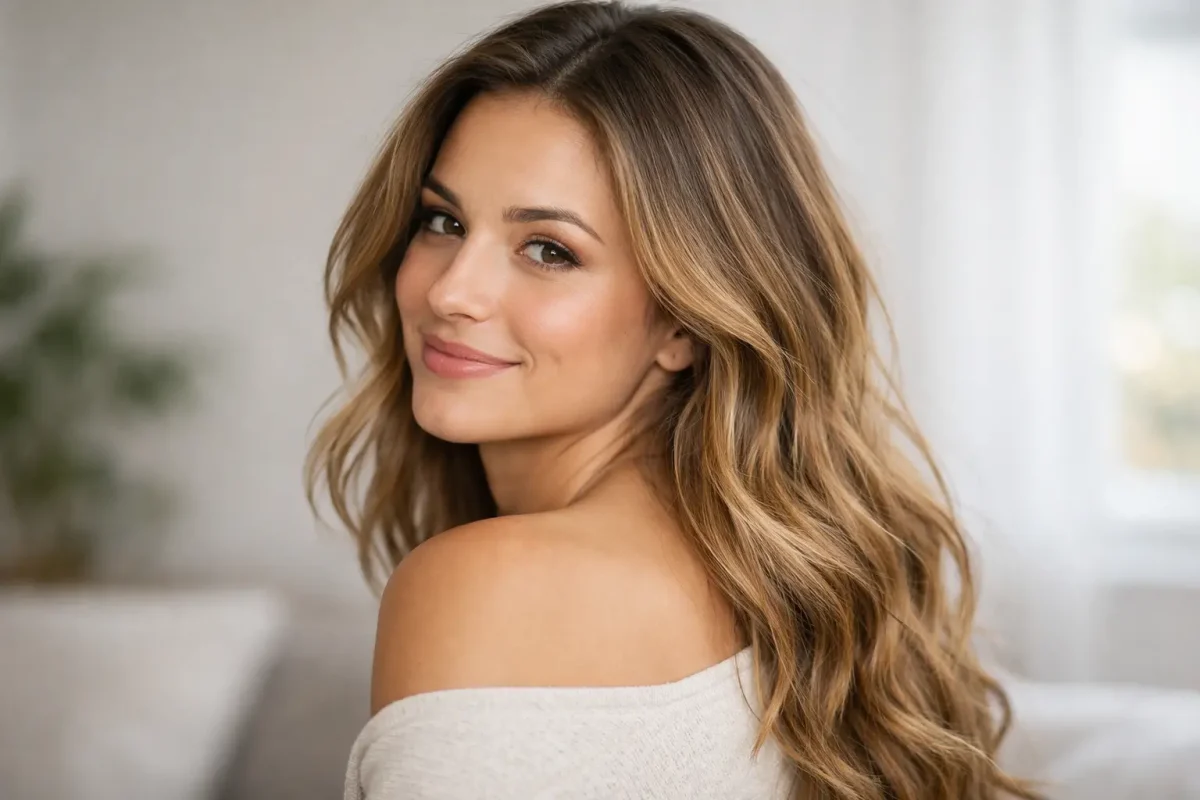
A great color appointment should not leave people wondering what changed. Natural looking hair colour is about that quiet, confidence-boosting difference: brighter eyes, healthier-looking lengths, and dimension that moves naturally when you do. It can be as subtle as soft warmth through a brunette base or as noticeable as a creamy blonde refresh, but it should still feel completely like you.
The secret is not choosing the most understated shade on a color chart. It is choosing the right tone, depth, placement, and maintenance plan for your hair, features, and real routine. That is why a personalized salon consultation matters far more than asking for a single, one-size-fits-all color name.
What Makes Hair Color Look Natural?
Natural does not have to mean flat, plain, or unnoticeable. In fact, one solid all-over shade can sometimes look less believable than thoughtfully placed highlights and lowlights. Natural hair has variation. It is often slightly deeper at the roots, lighter around the face and ends, and never perfectly uniform from strand to strand.
A natural result usually has three things working together: a base color that suits your complexion, dimension that prevents the hair from looking blocky, and a finish that complements your haircut. The goal is to create the kind of depth you might have after a summer outdoors, a glossy fresh cut, and a very good hair week all at once.
Your starting color also shapes what is realistic. Someone with dark brown hair can achieve beautiful caramel ribbons without needing to become blonde. Someone with previously lightened hair may need lowlights and a toner to bring softness back. The most flattering choice is not always the lightest or boldest option. It is the one that works with what your hair can safely do.
Start With Your Skin Tone and Natural Depth
The old rule that warm skin tones need warm colors and cool skin tones need cool colors is useful, but it is not the whole story. Most people sit somewhere in the middle, and the shades that look best are often more nuanced than simply ash or golden.
A stylist will look at your natural root color, eye color, skin undertones, and how much contrast you naturally have. If your natural hair is medium brown and your features are soft, very bright platinum pieces may overpower your look. A blend of beige, honey, and neutral brown could give you more glow while staying believable.
For naturally dark hair, espresso, cinnamon, chestnut, and subtle toffee tones can add richness without creating a harsh line as the hair grows. For lighter bases, beige blonde, soft gold, mushroom blonde, and gentle pearl tones can look polished without becoming stark. Redheads and warm brunettes may love copper, auburn, or cinnamon accents, provided the tone is balanced carefully against the skin.
Photos are helpful during a consultation, but bring images that show what you like about the color. Is it the brightness around the face? The darker root? The shine? Two photos labeled “bronde” can require completely different techniques and upkeep.
The importance of contrast
Natural-looking color is often about choosing an appropriate level of contrast. A few lighter pieces around the face can make the complexion look awake and fresh. Too many very light pieces against a dark base, however, can read striped rather than sun-kissed.
That does not mean high contrast is wrong. It can be striking and beautiful when it suits your style. But if your goal is an effortless, grown-out finish, softer transitions and shades within a few levels of your natural base tend to be the better choice.
Choose a Technique That Fits Your Lifestyle
The right coloring technique affects how natural the result looks now and how it looks six, eight, or twelve weeks later. There is no universal best option. The best technique is the one that delivers your preferred result without demanding more appointments or home care than you want to give.
Balayage is ideal for soft, hand-painted brightness with a blended grow-out. It works especially well for clients who want lightness through the mids and ends without a strong line at the root. A carefully placed balayage can also be adjusted to suit a bob, lob, long layers, or textured shag.
Foil highlights can look natural too. Fine, strategically placed foils allow more control when you want noticeable brightness, a cooler blonde, or lift through darker hair. When highlights are blended with a root shadow and toner, the finish can be soft rather than heavily highlighted.
A gloss or toner is one of the most useful tools for keeping hair color polished. It can add shine, reduce unwanted brassiness, deepen a faded brunette, or shift a blonde from bright yellow to creamy beige. If your existing color has lost its fresh look but your roots are not yet a concern, a gloss appointment may be all you need.
For those wanting richer brunette or red tones, lowlights can bring back depth and make the hair look fuller. This is particularly helpful after too much lightening, when hair starts to look overly bright, dry, or disconnected from the natural root area.
Face-Framing Color Can Change the Whole Look
A small amount of brightness around the face often delivers the biggest visual payoff. Known by many as a money piece, face-framing color can be soft and fine rather than bold. When it is blended into the rest of the hair, it lifts the overall look without announcing itself from across the room.
Placement matters. Brightness that begins too high or is too wide can look chunky. Brightness that is too subtle may disappear once the hair is styled. Your stylist can position it around your part, hairline, and preferred styling direction so it looks intentional whether you wear your hair straight, waved, clipped back, or in a ponytail.
This is also where a good cut and color plan come together. Layers can reveal ribbons of color, while a blunt cut may suit a more refined, minimal blend. The best color is not designed separately from the shape you wear every day.
Keep the Result Looking Soft Between Appointments
Even beautifully done color needs the right care to stay believable. Brisbane heat, sun exposure, frequent washing, and hot tools can fade toners and pull unwanted warmth through lightened hair. This is especially noticeable in blondes, cool brunettes, and copper shades.
Use salon-recommended color-safe shampoo and conditioner, and avoid washing more often than your scalp requires. When you do use heat, apply thermal protection first. A weekly hydrating mask can help maintain softness and shine, particularly if your hair has been lightened.
Purple or blue shampoo can be useful for controlling brassiness, but more is not always better. Overusing it can leave light hair looking dull, overly cool, or unevenly toned. It is better to use it as directed and book a gloss when the color needs professional refinement.
If you swim regularly, wet your hair with clean water first and rinse it soon after. Chlorine, minerals, and sun can all shift the tone of colored hair. A little prevention makes your color appointment last longer and helps keep the hair feeling good, not just looking good.
Be Honest About Maintenance Before You Commit
The most natural result is one you can maintain comfortably. A soft balayage or lived-in brunette may allow more time between major coloring appointments, while a bright blonde, vivid copper, or gray coverage usually needs more regular upkeep. Neither choice is better. It simply depends on your schedule, budget, and how polished you want your color to look at every stage.
If you are growing out old box color, correcting banding, or moving from very dark hair to a significantly lighter shade, patience protects the condition of your hair. A gradual plan can still produce a beautiful result while reducing unnecessary stress on the lengths. Healthy hair reflects light better, holds color more evenly, and always looks more expensive.
Natural-looking color should make getting ready easier, not give you another thing to worry about. Book an appointment at Twisted Scissors in Bridgeman Downs to create a color plan that looks like it was made for you.