Pixie Haircut Review: Chic or Too Much Upkeep?
Pixie Haircut Review: Chic or Too Much Upkeep?
You usually know within ten seconds whether a pixie is calling your name. It is that cut that makes some people look instantly sharper, more confident, and somehow more expensive. But a good pixie haircut review should tell the truth too – this is not just a cute short haircut. It is a style choice that changes your daily routine, your maintenance schedule, and the way your features sit front and center.
A pixie can be brilliant. It can also feel frustrating if you choose the wrong shape, ignore your natural texture, or expect it to behave like longer hair. That is why the real question is not whether a pixie is trendy. It is whether the right pixie is right for you.
Pixie haircut review: what makes it so appealing?
The appeal is easy to understand. A pixie looks intentional. It frames the eyes, highlights cheekbones, and gives your whole look a clean, modern edge. On the right person, it can feel lighter, fresher, and more polished than any longer cut they have tried.
It also creates a strong shape very quickly. A bob still sits around the face. A pixie exposes it. That can be a big plus if you love a style that feels confident and fashion-aware. It can also be the reason some people hesitate, because there is less hair to hide behind on low-confidence days.
The other big draw is styling time. Many clients imagine a wash-and-go dream, and sometimes that is true. A textured pixie on naturally cooperative hair can be incredibly easy. But easy is not universal. Some pixies need smoothing, product, or reshaping every morning to look deliberate instead of slept-in.
Who usually suits a pixie haircut?
A pixie is less about having a perfect face shape and more about balancing proportions, hair texture, and personal style. That is the part social media often skips. You do not need a tiny face or model bone structure. You do need a cut tailored to your features.
If your hair is fine, a pixie can create the illusion of fullness when it is cut with smart layering and weight in the right places. If your hair is thick, a pixie can look amazing too, but only if bulk is removed properly. Otherwise it can puff out, sit too wide, or feel hard to manage.
Natural texture matters just as much. Straight hair tends to show shape clearly, which is great for sleek or classic pixies. Wavy hair can give a pixie softness and movement. Curly hair can look incredible in a pixie, but it needs a shape that works with shrinkage and spring, not against it.
Lifestyle matters too. If you love a style that always looks crisp and neat, a pixie can be a perfect match as long as you are happy booking trims regularly. If you prefer to stretch appointments for months, a pixie may test your patience faster than a bob or lob would.
The honest trade-offs in a pixie haircut review
Here is the part people deserve to hear before the haircut cape goes on. Pixies are low effort in some ways and high commitment in others.
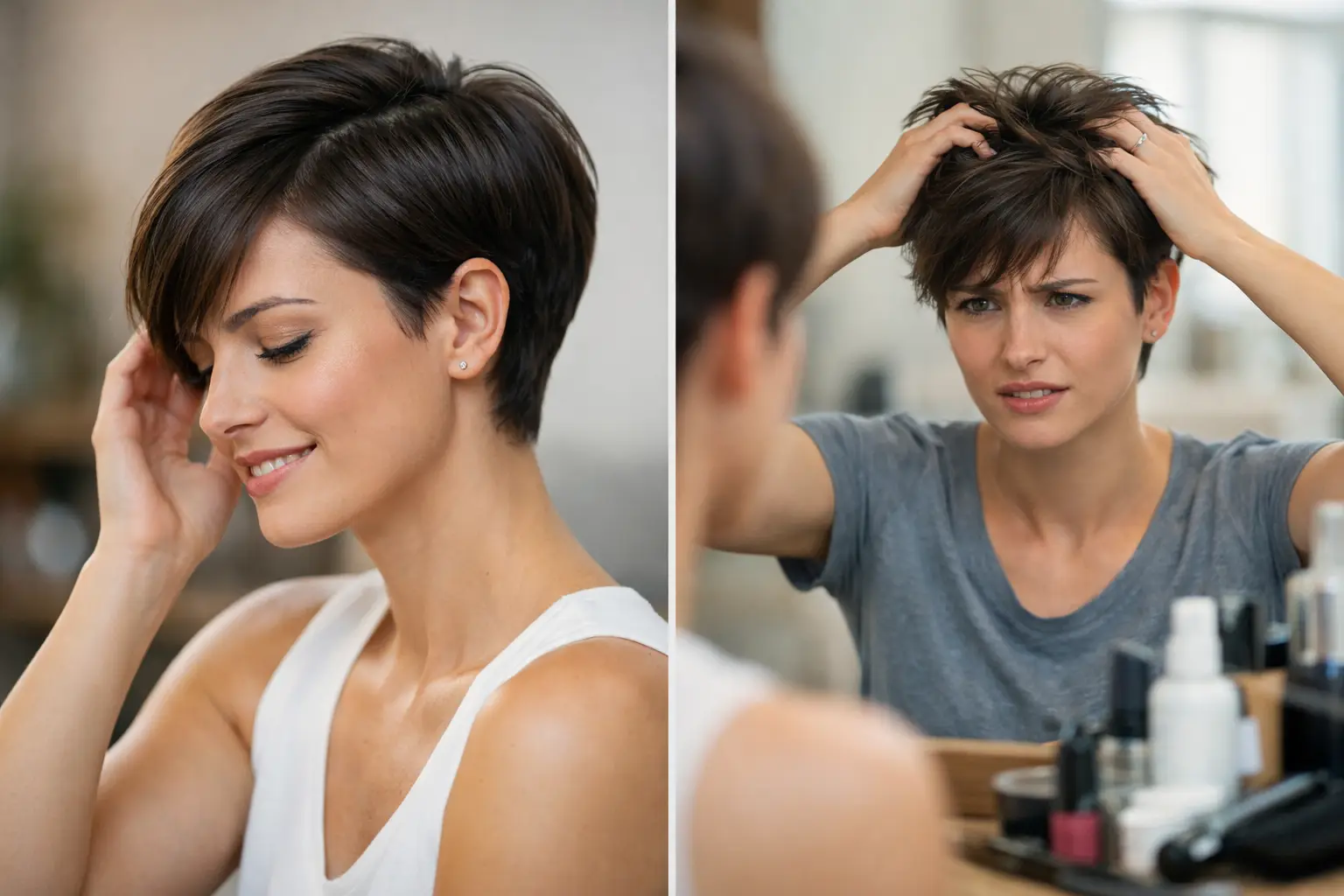
Daily styling can be quick, but bedhead shows up fast. A longer haircut can hide a rough sleep. A pixie usually cannot. Even a two-minute restyle with water and product may become part of your morning.
Maintenance is another trade-off. If you want the shape to stay sharp, trims often come around every four to six weeks. Some people love that because the cut always looks polished. Others find the upkeep more demanding than they expected.
There is also the grow-out phase. A pixie can grow into a soft, cool shape if it is planned well. It can also turn awkward if the original cut is too severe or disconnected. That does not mean you should avoid it. It just means your stylist should cut with both the now and the next stage in mind.
Pixie haircut review by style type
Not all pixies behave the same, and this is where a lot of salon photos can be misleading. The term pixie covers a wide range of shapes.
A soft pixie has more movement, slightly longer pieces, and a less severe finish. This version suits many first-time short-hair clients because it feels feminine, flexible, and easier to grow out.
A cropped pixie is shorter and cleaner around the ears and nape. It can look striking and sophisticated, but it leaves less room for styling variation. If you want a bold, clean silhouette, it is excellent. If you like changing your look day to day, it may feel limiting.
A textured pixie is one of the most wearable options because it creates softness and separation. It is great for adding body to fine hair or reducing heaviness in thicker hair. The catch is that texture usually needs product to read as intentional.
A pixie with a fringe gives extra face framing and can soften the overall effect. It is a smart option if you like a little coverage through the forehead or want more styling versatility.
Is a pixie easy to style?
Sometimes yes, sometimes not quite.
If your hair naturally falls into place, a pixie can be one of the fastest cuts to style. A quick blow-dry with a small amount of cream, paste, or mousse may be enough. That is part of the reason so many people love it after the first week.
But if your hair has strong cowlicks, heavy growth patterns, or frizz, the pixie may need more control than expected. Short hair does not weigh itself down the way longer hair does. Every bend, wave, and lift is more visible.
The good news is that product use is simple once you know what your cut needs. A lightweight styling cream can smooth. A texturizing paste can define. A little volume powder can lift flat roots. Usually it is less about using more product and more about using the right one.
A pixie haircut review for face shape and features
Face shape is helpful, but it should never be treated like a strict rulebook. A skilled stylist can adjust fringe length, crown volume, side softness, and nape shape to create balance.
If you have a rounder face, extra height at the crown and softness through the front can elongate the look. If your face is longer, a fuller fringe or less height can create balance. If your jawline is strong, a pixie can either emphasize it beautifully or soften it depending on the shape around the sides.
This is why consultation matters so much. The difference between a flattering pixie and a regrettable one is often a few inches placed in the right or wrong spot.
Should you get a pixie if you color your hair?
Absolutely, and in many cases a pixie makes color stand out even more. Blonde tones can look sharper, rich brunettes can feel glossy and graphic, and fashion shades can look incredibly modern on a short shape.
That said, short hair puts cut and color details on display. If your color is uneven, it may be more noticeable. If your hair is damaged from overprocessing, a pixie can be a fresh reset, but only if the condition is assessed properly first.
A pixie is especially strong for clients who want a style that supports healthy regrowth after breakage or color fatigue. Cutting away weak ends can make the whole head of hair look denser and healthier almost immediately.
So, is the pixie worth it?
For the right person, yes. A pixie can feel freeing, stylish, and surprisingly versatile. It puts attention on your features, gives your hair shape with purpose, and can make getting ready feel simpler.
But it is not magic. It works best when the cut respects your texture, your maintenance habits, and the version of yourself you want to see in the mirror. If you want a hairstyle that looks polished with minimal salon visits, a pixie may not be your best match. If you want a modern cut with personality and you are happy to keep it maintained, it can be one of the smartest changes you make.
The best pixie haircut review is not a before-and-after photo. It is the feeling of wearing a cut that finally looks like you. If you are thinking about going short, book an appointment at Twisted Scissors in Mitchelton.