
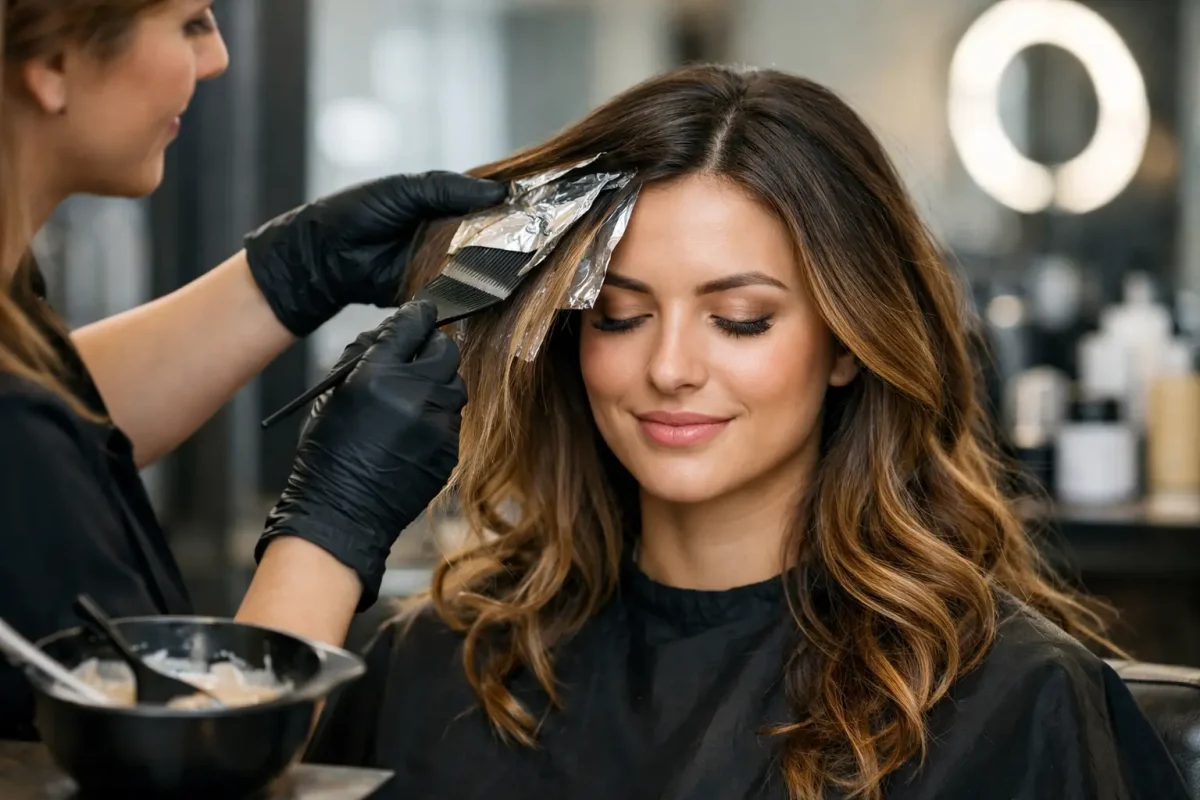
A color that looked perfect on the box can turn brassy, flat, or far darker than expected once it hits real hair. That is usually the moment people start asking why professional hair color is better, and the answer is not just about getting a prettier result. It is about chemistry, timing, customization, and protecting the condition of your hair while getting the look you actually wanted.
Hair color is never one-size-fits-all. Your natural base, previous color history, porosity, texture, and even the amount of warmth sitting in the hair all change how color behaves. Professional color takes those variables into account before the first formula is even mixed.
Why professional hair color is better for real-life results
The biggest difference between salon color and box dye is control. Box color is designed for the widest possible audience, which means it has to be strong enough to work on many hair types and many starting shades. That sounds convenient, but it is also the problem. When one formula is meant to suit everyone, it is usually too blunt an instrument for anyone who wants a precise result.
Professional hair color is mixed for your specific hair. A stylist can adjust tone, depth, developer strength, placement, and processing time based on what your hair needs. If you want a soft beige blonde, a dimensional brunette, a vivid copper, or a pastel pink that fades gracefully instead of patchily, that level of control matters.
This is especially true if your goal is subtle. Many people assume salon color only matters for major transformations, but natural-looking color often takes more skill than dramatic color. Creating brightness without stripes, richness without looking overly dark, or gray blending without a harsh line of regrowth is technical work.
The formula is customized, not guessed
Professional color starts with consultation, and that step is often underestimated. A good stylist is not just picking a pretty shade chart swatch. They are reading your hair and asking the right questions. Have you used permanent dye before? Is there old box color on the ends? Do you heat style often? Are you hoping for low-maintenance upkeep or are you happy to come in regularly for glosses and toners?
Those answers affect the formula. The same blonde goal might need completely different approaches on two clients. One may need gentle lifting and toning over several appointments to protect the hair. Another may need warmth added back in before going darker so the final result does not look muddy or hollow.
That is one of the clearest reasons why professional hair color is better. It is not based on hope. It is based on diagnosis.
Your starting point matters more than the shade on the photo
Inspiration photos are useful, but they are not formulas. The same color image can look completely different depending on the hair underneath. If your starting shade is dark brown with old warm pigment, getting to a cool beige blonde is not a single-step job. If your hair is porous from previous lightening, even a darker gloss can grab unevenly.
A professional knows when a color is realistic in one visit and when it should be approached in stages. That honesty saves a lot of disappointment and a lot of unnecessary damage.
Salon color is built for dimension
Flat color is one of the biggest giveaways of DIY dye. Real hair has movement, depth, and variation. Professional color can be placed intentionally with highlights, lowlights, root smudges, balayage, face-framing brightness, or tonal layering to create a more polished finish.
Even a single-process brunette can be customized to feel warmer, cooler, richer, softer, or more reflective depending on the finish you want. That dimension tends to grow out better too, which matters if you want hair that still looks good between appointments.
Hair health is part of the service
The best color is not just about how it looks on the day. It is about how your hair feels after the appointment and how well it holds up over time. Professional coloring should factor in the condition of the hair from the beginning.
At-home dye often pushes people into avoidable damage because they are trying to force one result onto hair that may not be ready for it. Overlapping lightener on already lightened ends, using a stronger developer than necessary, or choosing the wrong permanent shade can leave hair dry, brittle, stretchy, or uneven.
In a professional setting, the approach can be adjusted. That might mean using a gentler developer, leaving fragile sections out of a lightening application, applying different formulas to roots and ends, or choosing a gloss instead of permanent color when that makes more sense. Sometimes the best professional decision is not to chase the most dramatic result in one sitting.
That can feel frustrating if you want instant change, but it usually leads to better hair in the long run.
Better tone, less brass, fewer surprises
Anyone who has tried to fix orange roots or yellow blonde at home already knows tone is where things get complicated. Lifting pigment is only part of the process. Refining what is left underneath is where expertise really shows.
Professional color lines offer more nuanced tonal options than box kits, and stylists know how to use them. They can neutralize unwanted warmth, enhance the right warmth, and balance the final shade so it works with your skin tone and your maintenance goals.
For blondes, reds, coppers, and fashion shades, this matters even more. These categories can shift quickly if the formula is off by a small margin. A blonde can go gold when you wanted creamy. A copper can turn too red. A lavender can fade grayish or unevenly. Professional toning helps avoid that chain reaction.
Why blonding and vivid shades really need expertise
Some colors are less forgiving than others. Going lighter, correcting banding, shifting from warm to cool, or creating clean fashion shades usually requires technical accuracy. If the base is not lifted evenly, the final tone will not read clearly. That is why pastel, silver, vivid blue, and icy blonde can be difficult to achieve at home.
It is not that these shades are impossible, but they depend on the condition of the hair and the quality of the prep work. A salon result usually comes from careful sectioning, saturation, timing, and toning rather than a single miracle product.
Professional color usually wears better between appointments
One of the most practical reasons to choose professional color is longevity. Salon color is not magic, and every shade fades to some degree, but a well-formulated service tends to fade more predictably and more attractively.
That is partly because the right product was used, and partly because the application was tailored to your hair. If porous ends need a different formula than fresh roots, they can get one. If your blonde needs a gloss to keep it bright and expensive-looking, that can be built into the service plan.
Grow-out matters too. A strong root line from box dye can make regrowth feel obvious much sooner. Techniques like soft root melting, balayage, or strategic placement can make the color feel lower maintenance without sacrificing style.
Fixing mistakes costs more than doing it properly first
Box dye feels cheaper at the start, and sometimes it is fine for a basic refresh on untouched hair. But once things go wrong, the cost changes quickly. Corrective color often takes more than one appointment because the stylist has to remove unwanted pigment, rebalance tone, and protect the integrity of the hair at the same time.
Color correction is also more limited than people expect. Hair can usually be improved dramatically, but not every mistake can be reversed in one visit without compromise. That is why professional color is often the better value. You are paying for the result, but also for the judgment that helps prevent a bigger problem.
It depends on your goal, and that is the point
Not every client needs the same level of service. If you are covering a few grays, refreshing a brunette, trying balayage for the first time, or dreaming about peach, copper, or a bold fashion shade, the best approach will vary. Maintenance, budget, hair history, and lifestyle all matter.
That flexibility is exactly why professional service stands out. It can be subtle or dramatic, low-maintenance or high-impact, trend-driven or classic. The common thread is that it is chosen with intention rather than left to chance.
Good color should suit your hair, your routine, and the way you want to feel when you look in the mirror. If you are ready for a refresh, a correction, or a bigger transformation, book an appointment at Twisted Scissors in Bridgeman Downs.