
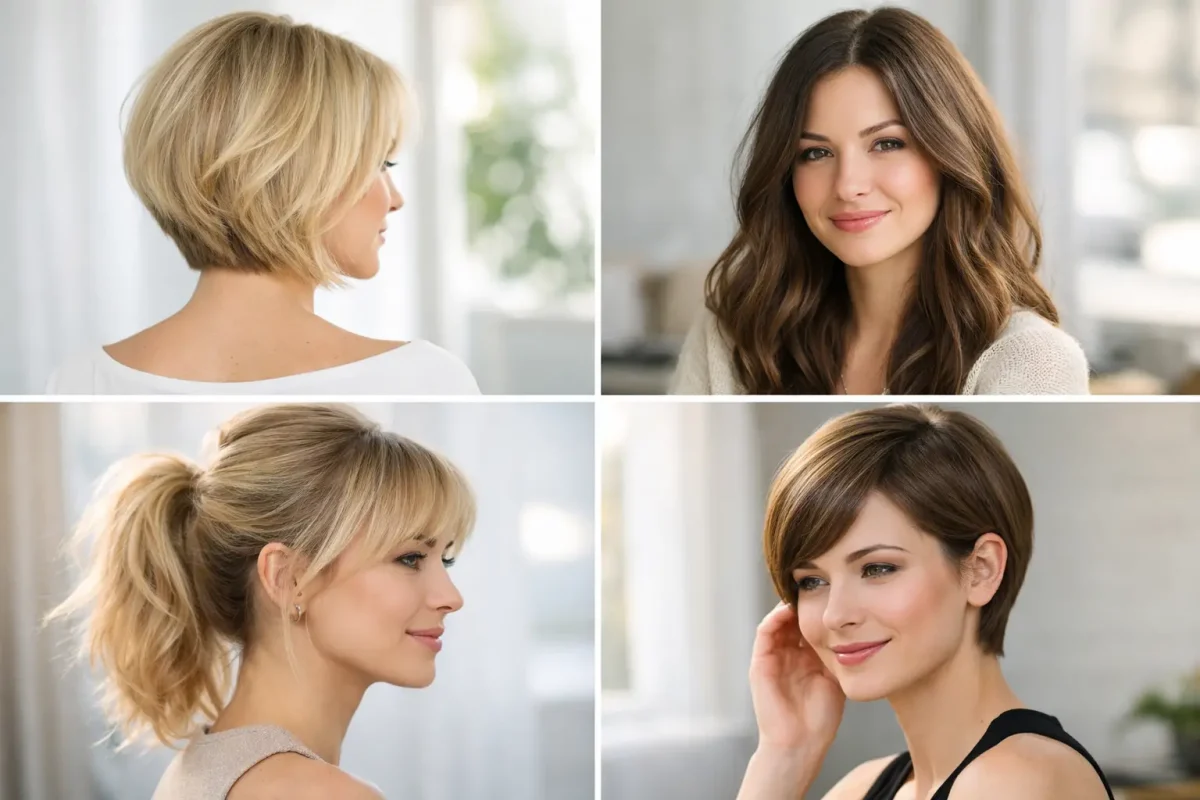
Fine hair has a way of exposing every weak haircut choice. Too many layers, and it can look stringy. Too much length, and it can fall flat by lunchtime. The best hairstyles for fine hair work with that reality instead of fighting it, creating shape, movement, and the appearance of more density without needing an hour of styling every morning.
The good news is that fine hair is not the same as thin hair, and that distinction matters. Fine hair refers to the thickness of each strand, while thin hair refers to how much hair you have overall. You can have plenty of fine hair, but it still needs the right cut to avoid looking limp. That is why the haircut matters just as much as the products you use.
What makes the best hairstyles for fine hair work?
The short answer is structure. Fine hair usually responds best to cuts that keep a clear shape through the ends. When the perimeter is too wispy or over-textured, the style loses strength fast. A good cut builds fullness where you want it, usually around the jawline, cheekbones, or crown, depending on your face shape and how you like to style it.
Length also plays a big part. The longer fine hair gets, the more weight pulls it down. That does not mean you have to go short, but it does mean the cut needs intention. Strategic layers, a stronger baseline, and the right amount of texture can make a huge difference.
The most flattering cuts for fine hair
Blunt bob
A blunt bob is one of the strongest options for fine hair because it creates a clean, dense-looking line at the ends. That solid edge makes the hair appear thicker right away. Worn around chin length or just below, it gives fine strands a fuller silhouette without needing heavy styling.
This cut is especially good if your hair tends to fall straight or only holds a bend for a short time. It looks polished when smooth, but it can also be tousled for a softer finish. If you want body without sacrificing a modern look, this is usually a safe bet.
Lob with minimal layers
If you are not ready for a bob, a lob gives you a bit more length while still keeping shape. The key phrase here is minimal layers. Fine hair can quickly start looking sparse if too much interior weight is removed, so a lob works best when the ends stay fairly full.
A collarbone-grazing lob can be flattering and easy to maintain, especially if you like to wear your hair down often. It also works well with a center part or a soft side part, depending on how much root lift you want.
Pixie cut
A pixie can be a smart move for fine hair because it removes the weight that often drags everything flat. Done well, it gives instant lift and can make styling much faster. The trick is tailoring it to your features and texture rather than going too choppy everywhere.
A softer pixie with a little length through the top can create movement and volume where it counts. If you like a more fashion-forward look, this cut can feel fresh and confident. It does require regular maintenance, though, so it suits clients who are happy to stay on top of trims.
Soft shag
A shag can absolutely work on fine hair, but only when the layering is controlled. This is where technique matters. A soft shag adds airy movement and texture, especially around the crown and face, but it should not be so heavily shredded that the ends disappear.
If your hair has a natural wave or you like a slightly undone finish, a soft shag can make fine hair feel more alive. It is less about creating bulk and more about creating motion, which often reads as fuller and more effortless.
French bob
The French bob is short, chic, and surprisingly effective for fine hair. Usually cut around the jaw with a blunt or lightly textured fringe, it gives structure and style without relying on thickness. It works because the shorter length supports lift, while the shape frames the face in a way that feels intentional.
This is a strong choice if you want something modern but still easy to wear day to day. It can look sleek, piecey, or slightly bent depending on how you style it.
Blunt cut with long layers
For clients who love keeping their hair long, this is often the best compromise. A blunt baseline preserves fullness, while a few long layers prevent the shape from feeling too heavy or flat. The mistake with long fine hair is usually adding too many layers in the hope of creating volume. That often does the opposite.
Longer styles need careful shaping around the front and crown. You want movement, but you also want the ends to still look healthy and substantial. If your hair is very fine, keeping the length somewhere between the shoulders and chest is often easier to manage than going extra long.
Curtain bangs with a structured cut
Curtain bangs can add softness and style to fine hair, especially when paired with a bob or lob. They help frame the face and create the illusion of more going on around the front, which can make the entire haircut feel fuller.
That said, bangs are not one-size-fits-all. If your hairline is sparse or your fringe tends to separate quickly, a fuller bang may be frustrating. A lighter curtain fringe is usually more forgiving and easier to blend into the rest of the cut.
Side-parted bob
Sometimes the cut is only half the story. A side part can instantly create lift at the roots, which makes a side-parted bob a strong option for fine hair. It is simple, but effective. The shift in weight distribution gives the appearance of more volume without needing extra layers.
If your hair naturally falls flat at the crown, this style can help break that pattern. It also grows out well and can be adapted to sleek or textured styling.
Best hairstyles for fine hair if you want more volume
Volume is usually the goal, but the way you get it matters. With fine hair, trying to force big, bouncy body with the wrong cut can backfire. The best result usually comes from combining the haircut with realistic styling habits.
Shorter and mid-length cuts generally hold volume better than very long styles. Blunt edges make hair look denser. Soft crown layers can help with lift, but too many layers can make the hair collapse. That is why there is always some balance involved.
Color can also change how full a haircut looks. Dimension from balayage, subtle highlights, or even carefully placed lowlights can create visual depth, which gives the illusion of more hair. It is not a substitute for a good cut, but it can absolutely enhance one.
Styling fine hair without flattening it
A great haircut does a lot of the work, but styling choices still matter. Fine hair responds better to lightweight products and targeted techniques than heavy creams or oils. If your roots get oily quickly, dry shampoo or a volumizing spray can help extend lift between washes.
Blow-drying with a round brush at the crown can make a noticeable difference, even if you keep the rest of the style simple. Velcro rollers or heatless root clips can also add body without overworking the hair. If you use hot tools, keep the temperature moderate. Fine hair can be more vulnerable to heat damage, and once the ends are compromised, the whole cut can start to look thinner.
It also helps to be honest about your styling tolerance. Some cuts look amazing but need daily effort. Others are more wash-and-wear friendly. The right haircut is not just about what suits your face. It is about what you will actually maintain.
What to avoid with fine hair
The biggest trap is over-layering. It sounds like a volume solution, but for fine hair it often removes the very density you need. Another common issue is hanging onto too much length when the ends are already see-through. A few inches off can completely change the way the hair moves and sits.
Heavy fringes, aggressive texturizing, and one-length cuts that are too long can also be tricky, depending on your density and growth pattern. This is where a personalized consultation matters. The best hairstyles for fine hair are never just about trends. They need to match your texture, face shape, and how much styling you want to do.
A good fine-hair haircut should make your hair feel easier, not more demanding. If you are choosing between a few styles, go with the one that gives you shape at the ends, flexibility in styling, and a realistic upkeep schedule. If you want expert help finding the right cut for your texture and lifestyle, book an appointment at Twisted Scissors in Bridgeman Downs.