
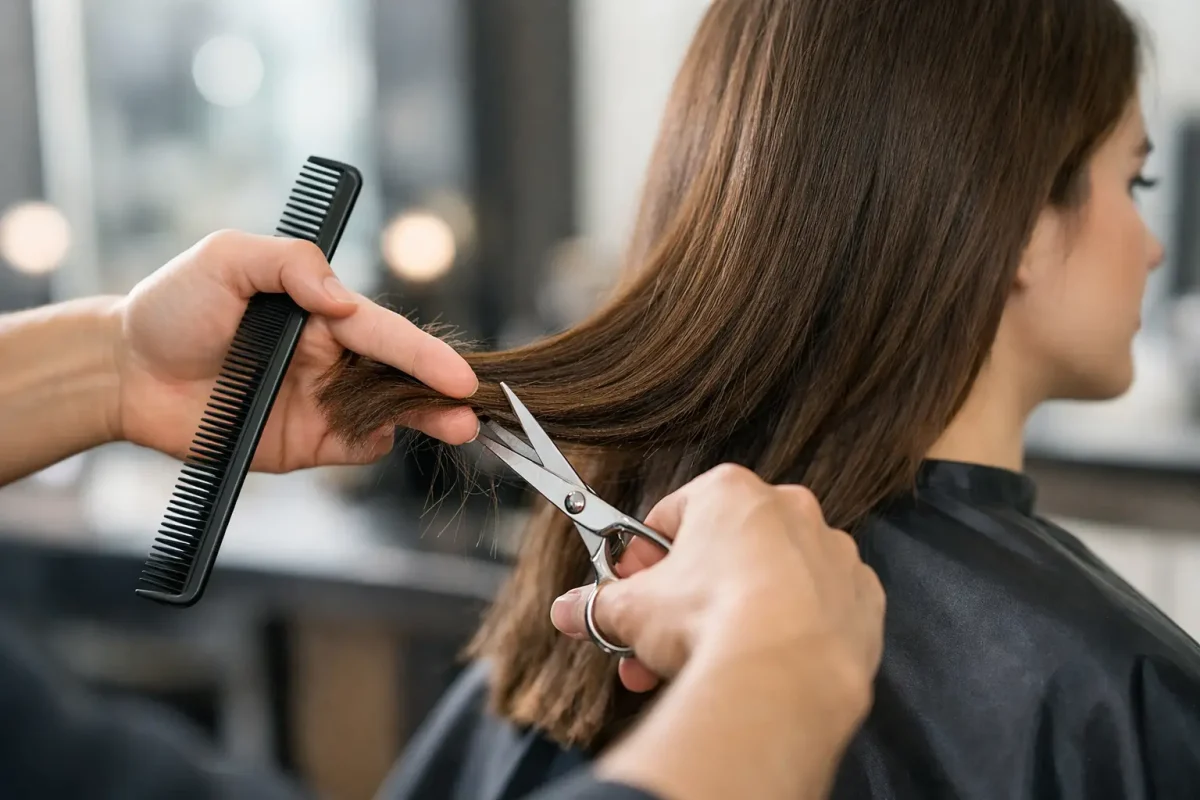
You can usually tell when a haircut has passed its sweet spot. Bangs start sitting in your eyes, your bob loses its shape, or your ends suddenly look fuzzy no matter how carefully you style them. If you have ever wondered how often should you trim hair, the real answer is not one fixed schedule. It depends on your cut, your texture, your styling habits, and whether your goal is growth, shape, or damage control.
A good trim is less about taking off length and more about keeping your hair working the way you want it to. For some people, that means frequent maintenance to hold a sharp shape. For others, it means spacing appointments out while removing dry or split ends before they travel further up the strand.
How often should you trim hair for healthy-looking ends?
For most hair types, a trim every 8 to 12 weeks is a solid baseline. That timing is often enough to clean up frayed ends, maintain movement, and stop a style from drifting too far off course. If your hair is in good condition and you do not use much heat, you may comfortably sit closer to the 12-week mark.
If your hair is more prone to breakage, tangling, or visible split ends, waiting that long can make the next trim more dramatic. Hair does not repair itself once the ends start splitting. Treatments can make damaged hair feel smoother, but they do not fuse split ends back together for good. That is why regular trims matter even when you are trying to grow your hair.
Still, healthy-looking hair is not only about frequency. It is also about what is happening between appointments. Bleach, hot tools, rough brushing, tight styles, sun exposure, and skipping heat protectant all speed up wear on the ends.
Your haircut changes the schedule
The biggest factor in how often you should book a trim is the kind of cut you have. Some styles are forgiving as they grow. Others lose their whole effect once they are a little overgrown.
Short cuts need tighter maintenance
Pixie cuts and precision short styles usually need attention every 4 to 6 weeks. The reason is simple. When a short cut grows even half an inch, the silhouette changes fast. Layers can puff out, the neckline gets soft, and the polished shape that made the cut look intentional starts to disappear.
If you love that crisp, fresh-from-the-salon finish, shorter cuts reward consistency. You are not necessarily removing a lot of hair at each visit, but you are keeping the shape working for you.
Bobs, lobs, and blunt cuts show growth quickly
Bobs and blunt cuts generally look best with trims every 6 to 8 weeks. These shapes rely on clean lines, so uneven growth is easier to spot. A lob is a little more flexible and can often stretch to 8 to 10 weeks, especially if you wear it textured or softly styled.
If your cut is sleek and structured, you will usually notice the need for maintenance sooner. If it is softer and more lived-in, you have a bit more room.
Long layers can go longer
Long hair with soft layers can often wait 10 to 12 weeks between trims. That is especially true if your goal is to keep growing it and your ends are still in decent condition. Long cuts usually disguise a bit of growth better than shorter shapes.
The trade-off is that long hair is older hair. The ends have been through more brushing, more washing, more heat, and more environmental stress. So while the shape may still look fine, the condition might be telling a different story.
Bangs are their own category
Bangs rarely follow the same schedule as the rest of your cut. Most need a refresh every 2 to 4 weeks depending on the length and style. Curtain bangs can be a little more forgiving. Full fringe usually is not.
If your bangs are the first part of your style people notice, keeping them fresh makes the whole haircut look more intentional.
How texture affects how often you should trim hair
Texture changes everything, including how damage shows up.
Straight hair tends to reveal split or thinning ends quickly because there is nothing to disguise them. If your hair is straight and fine, regular trims can make it look fuller and cleaner even if only a small amount comes off.
Wavy hair often has some flexibility. It can hide minor wear better than straight hair, but dry ends can still disrupt definition and make styling feel harder than it should.
Curly hair is a little different. Curls can mask uneven ends for longer, which is why some people stretch trims to 10 or even 12 weeks. But curly hair also tends to be drier, so if the ends are rough, your curl pattern may lose bounce and separation. In that case, waiting longer is not always helping.
Coarser textures can appear strong, but they still benefit from routine shaping and end maintenance. The right schedule is the one that keeps your texture looking intentional, not bulky at the bottom or frayed at the edges.
If you are growing your hair, you still need trims
This is where a lot of people get stuck. They avoid trimming because they want length, then end up losing more later because the ends become thin, split, or brittle.
If you are growing your hair, a light trim every 10 to 12 weeks is usually smarter than waiting six months. You do not need a major cut. You just need enough taken off to prevent damage from climbing upward.
That said, growth goals and trim schedules should match your hair habits. If you bleach your hair, straighten it often, or wear high-friction styles, your ends may need attention sooner. If your routine is gentle and your hair is healthy, you may be able to keep trims minimal.
Growing hair is really about retaining length, not just producing it. Most hair grows whether you trim it or not. The challenge is keeping the ends intact enough that you get to keep what grows.
Colored hair usually needs a closer watch
If your hair is colored, especially lightened, regular trims become more useful. Pre-lightening, vivid shades, repeated glossing, and heat styling can leave the ends more porous and fragile. Even when the color still looks great, the shape and condition may need a reset.
This does not mean every color service requires a big chop. It means keeping an eye on dryness, tangling, and that rough, velcro-like feel at the ends. For many color clients, trims every 6 to 10 weeks help maintain a polished finish without sacrificing too much length.
There is also a visual benefit. Fresh ends make color look more expensive. Balayage, soft dimension, bold tones, and pastels all look better when the haircut underneath them still has shape.
Signs you are overdue for a trim
Sometimes the calendar matters less than what your hair is telling you. If your ends look thin, feel crunchy, knot easily, or split into little white forks, it is probably time. If your style suddenly takes more effort to blow dry or does not sit right anymore, overgrowth may be the issue.
Another clue is when your hair loses its finish. It might still be long enough, but it no longer looks deliberate. That is often the point where a small trim makes a bigger difference than another styling product.
So what is the best schedule?
If you want a simple starting point, use this. Short cuts often need 4 to 6 weeks. Bobs, blunt cuts, and shape-focused styles usually need 6 to 8 weeks. Long layers and healthy longer hair often suit 8 to 12 weeks. Bangs usually need attention every 2 to 4 weeks.
Then adjust from there. If your hair is colored, heat-styled often, or prone to split ends, stay on the earlier side. If it is healthy, low-maintenance, and your cut grows out softly, you can usually stretch it a little longer.
The best trim schedule is the one that supports your real hair goals. Maybe that is preserving a sharp bob. Maybe it is growing out old damage. Maybe it is keeping your curls springy or making your color look cleaner. One person’s perfect eight-week routine can be too frequent or not frequent enough for someone else.
A trim should feel purposeful, not automatic. When it is timed well, your hair looks healthier, styles faster, and holds its shape without fighting you every morning. If you want tailored advice for your cut, texture, or color, book an appointment at Twisted Scissors in Bridgeman Downs.