
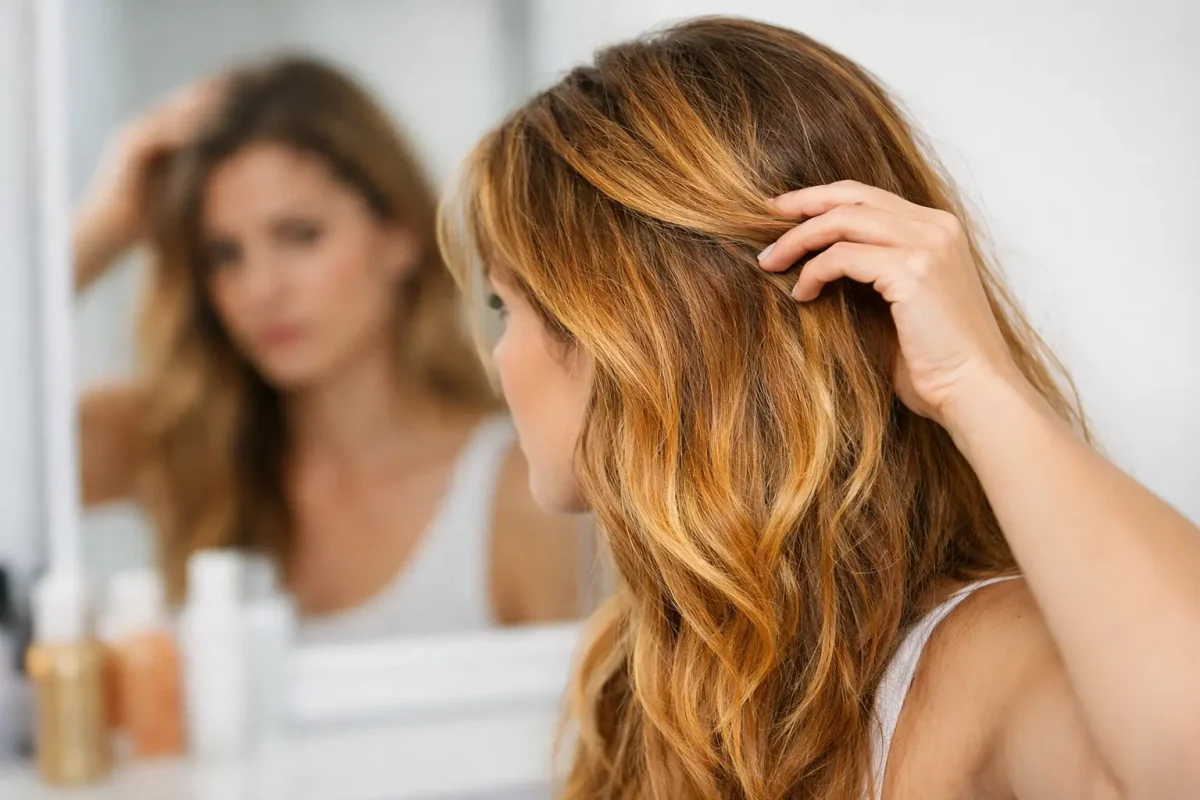
You leave the salon or finish your at-home color feeling great, then a week or two later you catch your hair in the bathroom mirror and think, why is my hair brassy already? It is one of the most common color frustrations, especially with blonde, balayage, highlighted, and lightened brunette hair. The good news is that brassiness is usually explainable, and in many cases, fixable.
Brassy hair is what happens when unwanted warm tones start showing through. For blondes, that often means yellow. For brunettes and darker lifted shades, it usually shows up as orange or copper. It can make fresh color look dull, uneven, or just not what you asked for.
Why is my hair brassy in the first place?
Hair has underlying pigment, and that pigment does not disappear just because you want a cool beige blonde or a smoky brunette. When hair is lightened, the natural warm tones underneath get exposed. Depending on how dark your natural hair is, those underlying tones can be red, orange, gold, or yellow.
That is why lifting dark hair to a cool blonde in one step is rarely realistic without compromise. Hair color works in stages. As pigment is removed, warmth appears before you get to a pale enough base to tone properly. If the hair never reaches the right level of lift, the toner will not have the clean canvas it needs, and warmth can push through quickly.
This is also why brassiness is not always a sign that something went wrong. Sometimes it means the hair was lifted as far as it safely could go in one appointment. Protecting the condition of the hair matters just as much as the end shade.
Common reasons hair turns brassy
One of the biggest causes is faded toner. Toners are not permanent. They help balance warmth, but they gradually wash out, especially if you shampoo often or use products that are too harsh. If your blonde looked icy at first and then started leaning yellow, toner fade is a likely reason.
Water can also play a part. Hard water, chlorine, and mineral buildup can shift the tone of your hair and make it look duller or warmer. This is common if your hair suddenly feels a bit rough as well as looking more golden or orange.
Heat styling is another culprit. Frequent blow-drying, hot tools, and sun exposure can all wear down the surface of the hair and make color fade faster. Once cool pigment fades, the warmer pigment underneath becomes more obvious.
Then there is product choice. Sulfate-heavy shampoos, cheap purple products used too often, and random box toners can all make the situation worse instead of better. Some strip color too aggressively. Others leave the hair uneven, dry, or muddy.
And sometimes the issue starts with the original color service. If the hair was not lifted enough, if old color was still sitting in the lengths, or if the formula was not quite right for your hair history, brassiness can show up earlier than expected. Hair that has been colored multiple times tends to behave differently from virgin hair, and that matters.
Why is my hair brassy even after toner?
This is the question that usually catches people off guard. If toner was used, why does the warmth come back?
The simple answer is that toner adjusts tone, but it does not change the lifting stage your hair reached. If your hair is sitting at a strong yellow-orange underneath and gets toned cooler, that cool finish can only last so long before the warmth starts peeking through again. The darker or warmer the base, the more maintenance it usually needs.
Porosity matters too. Damaged or highly processed hair grabs color fast, but it also lets it go fast. That means toner may look great initially, then fade unevenly. The result can be brassiness through the mids and ends while other areas still look cool.
That is why two people can get a similar blonde service and have very different results at home. Hair history, condition, daily styling habits, water quality, and how often you wash all affect how long that tone lasts.
How to fix brassy hair without making it worse
The fix depends on whether your hair is yellow, orange, or a mix of both. Purple shampoos help neutralize yellow tones. Blue shampoos are better for orange tones. Using the wrong one will not do much, and overusing either can leave the hair flat, over-toned, or dry.
If the brassiness is mild, a salon-quality toning routine may be enough. That could mean a purple or blue cleanser once a week, a color-safe shampoo the rest of the time, and a moisture mask to keep the hair balanced. Healthy hair tends to hold tone better.
If the warmth is stronger, a toner refresh in the salon is usually the smarter move. This is especially true if you are seeing patchiness, banding, or very bright orange areas. At-home toners can be unpredictable when old color, highlights, or previous box dye are involved.
For some clients, the real fix is more lightening, but that is not always the right answer straight away. If the hair feels fragile, stretchy, or overly dry, pushing it harder can create breakage. In that case, it is often better to improve the condition first, then plan the next color step properly.
The biggest mistake people make with brassy hair
They panic and start throwing products at it.
A purple shampoo, then a silver mask, then a box dye, then another toner from the beauty aisle. By the time they get professional help, the tone is uneven, the ends are stained, and the hair is drier than before. Brassiness is frustrating, but random fixes usually cost more time and more correction later.
A more measured approach works better. Figure out what kind of warmth you are seeing, how soon it appeared, and whether your hair feels healthy or stressed. That tells you whether you need maintenance, correction, or a different long-term color plan.
How to keep hair from going brassy again
The best prevention is realistic color planning. Cool shades are gorgeous, but they are also higher maintenance, especially on naturally dark hair. Beige, honey, and softer lived-in blondes often stay prettier for longer because they work with a little warmth instead of fighting it completely.
Aftercare matters just as much. Wash less often if you can, keep the water temperature lukewarm, and use products made for color-treated hair. A weekly mask helps support the hair so toner lasts longer and the finish stays shinier.
If your home has hard water, a filter or occasional clarifying treatment can make a noticeable difference. Just do not overdo clarifying shampoos, because stripping the hair too often can accelerate fading.
Heat protection is non-negotiable if you use a blow dryer, curling iron, or flat iron. A cooler tone fades much faster when the hair is repeatedly exposed to high heat.
Regular gloss or toner appointments also help. Waiting until the color looks completely off usually means a bigger correction is needed. Small refreshes tend to keep the shade cleaner and more consistent.
When brassiness means you need professional help
If your hair is bright orange, uneven, or suddenly much warmer than usual, it is worth getting it assessed properly. The same goes for hair that feels damaged, gummy, or overly porous. Tone problems are rarely just about the shade itself. They are often tied to lift level, previous color, condition, and what your hair can realistically handle next.
A professional colorist can tell the difference between hair that needs a quick tone adjustment and hair that needs a more careful correction plan. That matters because not every brassy result should be fixed with more bleach. Sometimes the better move is shifting the target shade slightly so it looks intentional, polished, and healthier.
If you have been asking why is my hair brassy, the answer is usually a mix of exposed underlying warmth, fading toner, daily wear, and hair history. Once you know which factor is driving it, the fix gets much easier and a lot less frustrating. If your color is looking warmer than you want, book an appointment at Twisted Scissors in Bridgeman Downs.