Full Color vs Foils: Which Should You Get?
Full Color vs Foils: Which Should You Get?
You sit down in the chair thinking you want a color refresh, then the question comes up – full color or foils? If you have ever felt stuck on full color vs foils, you are not alone. They can both create beautiful results, but they do very different jobs, and choosing the right one can save you time, money, and a lot of maintenance frustration.
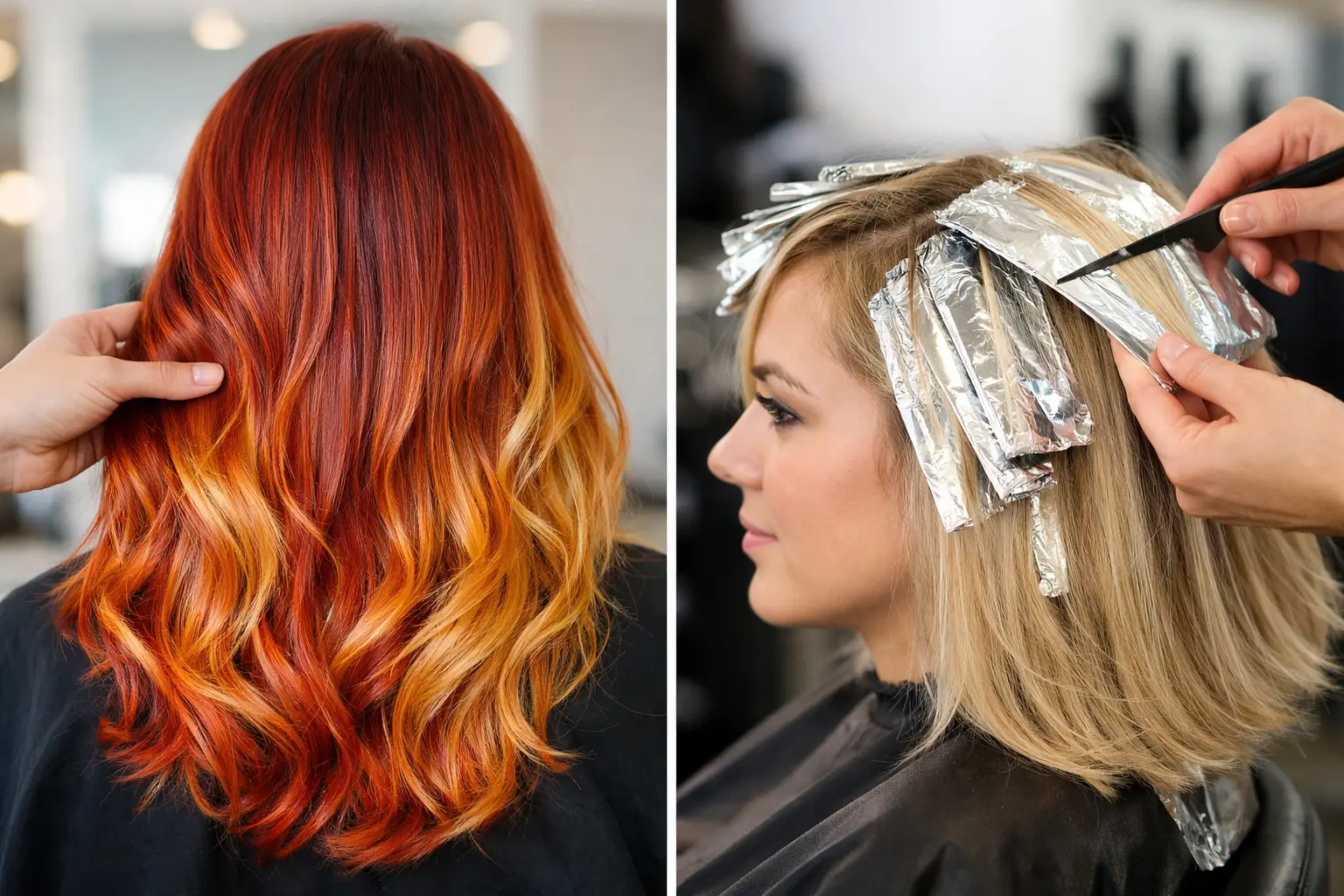
The biggest difference is simple. Full color applies one shade, or one overall formula, across the hair. Foils isolate sections of hair to lighten, darken, or tone specific pieces. That means the finished look, the upkeep, and even the impact on your hair can be quite different.
Full color vs foils: what is the actual difference?
A full color service is usually the go-to when you want an all-over change. That might mean covering gray, deepening your natural shade, going richer for fall, brightening your brunette, or shifting your tone from warm to cool. It gives a more solid, even result from root to ends, depending on the service and your starting point.
Foils are more targeted. Your stylist weaves or slices out sections, then places them in foil packets to process separately from the rest of the hair. This lets us create highlights, lowlights, dimension, brightness around the face, or a more blended multi-tonal result. Foils are ideal when you do not want one flat all-over shade.
Neither service is better across the board. The better choice depends on what you want your hair to look like in six weeks, not just when you leave the salon.
When full color makes more sense
If your goal is consistency, full color usually wins. It is especially useful when your current shade feels uneven, faded, dull, or patchy. It is also the standard choice for gray coverage because it saturates the hair more evenly at the root.
Full color can make the hair look shinier and richer because the result is more uniform. If you love polished brunettes, coppers, reds, glossy black, or fashion shades that need saturation, full color often gives that stronger statement. It can also be a smart reset if your ends have turned brassy or your previous color has lost depth.
That said, full color is not always the best route if you want a sun-kissed or naturally dimensional result. One all-over shade can sometimes look flatter than expected, especially on thicker hair or hair that naturally has tonal variation. In those cases, adding dimension later may become part of the plan.
When foils are the better option
Foils are usually the answer when you want movement and contrast. Highlights can brighten the face, break up a heavy base color, and create that fresh salon look without changing every strand. Lowlights can add depth if blonde hair has started to look too solid or washed out.
Foils also work well if you want to blend gray rather than fully cover it. Instead of a single-process root color every few weeks, some clients prefer strategically placed highlights that soften regrowth and make the line less obvious.
If you like lived-in blondes, ribbons of caramel through brunette hair, or a more textured finish, foils tend to give more visual interest than full color alone. They are also flexible. You can go subtle with a few face-framing pieces or much brighter with a full head of foils.
The trade-off is maintenance can vary more than people expect. Soft, blended foils may grow out beautifully, but brighter blonding often needs toning, glossing, or refreshing to keep it looking expensive rather than dry or brassy.
Full color vs foils for gray hair
This is where the choice gets very personal. If you want solid coverage and a predictable result, full color is usually the stronger option. It covers resistant grays more completely and gives a cleaner root result.
If you are not ready for regular root touch-ups, foils can help blur gray rather than erase it. Highlights mixed through the hair can make regrowth less noticeable because there is no harsh line of demarcation. For some clients, that lower-contrast grow-out feels easier to live with.
There is also a middle ground. Many people do best with a root color plus a few foils through the top or around the face. That combination gives coverage where it matters and dimension where it counts.
Which option is more damaging?
This depends on the chemistry and the condition of your hair before you start. A full color service that deposits tone without lifting can be gentler than heavy highlighting. But if your full color involves a major change, especially lightening dark hair significantly, that is a different story.
Foils often involve lightener, which can be more demanding on the hair, particularly if you are going blonde or lifting through old artificial color. On the other hand, foils only process selected sections, not every strand. So while those pieces may go through more, the entire head is not always under the same stress.
Healthy color is not just about whether you choose full color or foils. It is about how realistic your goal is, how much previous color is in your hair, and whether the service is matched to your hair type. Fine hair, porous ends, and overprocessed blonde all need a more careful plan.
Maintenance matters more than most people think
A lot of people choose based on the photo they like best. A better way is to choose based on the upkeep you are actually willing to do.
Full color can mean more obvious regrowth, especially if your chosen shade is quite different from your natural base. If you cover grays or go darker at the root, you may need touch-ups on a regular schedule. The upside is the result usually looks intentional and polished the whole way through.
Foils can be lower maintenance if they are soft and blended, but high-impact blonde foils are not exactly carefree. Toning appointments, purple shampoo, heat protection, and moisture care all matter. Bright blonde with poor home care loses its appeal fast.
If you want something low effort, tell your stylist that first. The best color service is the one that still looks good when real life gets busy.
Full color vs foils for blondes, brunettes, and bold shades
For blondes, foils are often the better fit when brightness and dimension are the priority. They can create lift in a more controlled way and keep the result from looking too solid. Full color is less common for blonde transformations unless the goal is toning, darkening, or changing the overall shade.
For brunettes, it depends on the finish you want. A rich chocolate or espresso usually suits full color beautifully. But if you want softness, contrast, or a little lift without fully committing to lighter hair, foils can add just enough glow.
For reds, coppers, and vivid shades, full color often delivers the most impact. These shades usually need strong saturation to look fresh and intentional. Foils can still play a role, especially for adding brightness or contrast, but they are usually part of a more customized color plan rather than the whole story.
What to ask before booking
If you are deciding between the two, skip the salon jargon and focus on outcome. Ask yourself whether you want one even shade or visible dimension. Think about how often you want to come back, whether gray coverage matters, and how much styling you do at home.
It also helps to be honest about your history. Box dye, old highlights, hard water, and heat damage all affect what is possible. A good stylist is not just choosing between full color and foils. They are reading the condition of your hair and building a result that will still look good after the first wash.
Sometimes the right answer is not strictly one or the other. A root color with a few foils, a gloss over highlights, or a dimensional brunette service can give you a more flattering result than sticking to a single category.
The best hair color is not the one that sounds most dramatic. It is the one that suits your skin tone, your schedule, your budget, and the way you actually like to wear your hair. If you want help choosing the right service for your next appointment, book an appointment at Twisted Scissors in Mitchelton.