
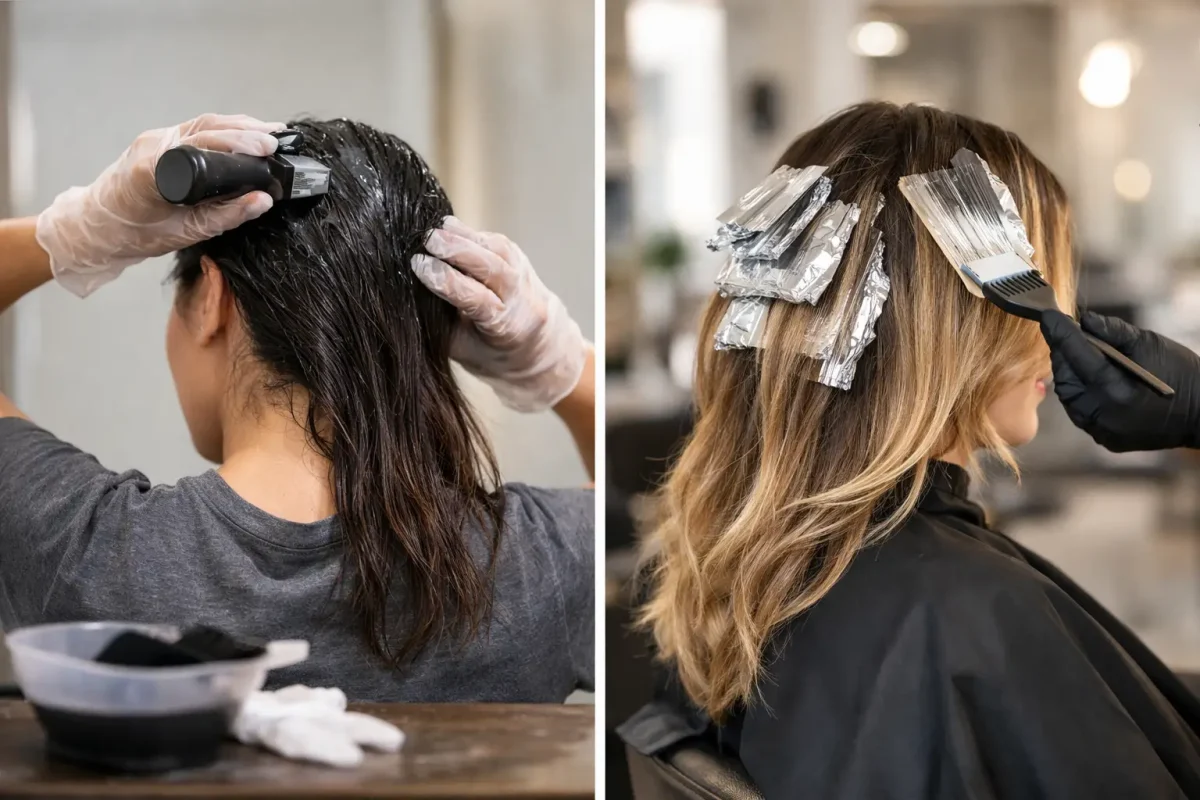
That moment when your box dye stops looking like a quick fix and starts feeling like a problem is usually when balayage starts sounding very appealing. If you are thinking about going from box dye to balayage, the biggest thing to know is this: it can absolutely be done, but it is rarely a one-step service. The healthiest, best-looking result comes from a plan, not a rush job.
Balayage is popular for a reason. It gives you softness, dimension, and a more natural grow-out than all-over color. But when box dye is already sitting on the hair, especially layers of dark pigment, the process changes. A stylist is no longer working on untouched hair. They are working through artificial color, uneven buildup, and sometimes hidden bands from previous applications.
Why from box dye to balayage is different
Balayage on virgin hair is one thing. Going from box dye to balayage is closer to color correction, even if the end goal is soft, sunlit dimension. Box color is designed to deposit pigment evenly from roots to ends, which sounds helpful until you want lived-in variation later.
The challenge is that boxed formulas are often stronger and less flexible than salon color. They can leave the hair overly dark, flat, or muddy, and they do not fade in a predictable way. Even when the shade on the box looked close to what you wanted, the result on your hair depends on your starting level, your hair history, and how porous your ends are.
This is why a stylist will usually ask a lot of questions before giving you a clear answer. What box shade have you used? How often? How long has it been on your hair? Have you used permanent color, semi-permanent color, or henna? Those details matter because they affect how the hair lifts and how much warmth appears during the process.
What your stylist is looking at first
Before any lightener touches your hair, a good stylist is assessing the condition of your hair and the type of artificial pigment they need to move through. That includes your natural base, the darkness of the box color, the number of layers built up over time, and whether the ends are more fragile than the mid-lengths.
Hair health is a big part of the conversation. If your hair feels dry, stretchy, or brittle, chasing a bright balayage in one appointment may not be realistic. Sometimes the smartest move is to aim for a softer caramel or honey result first, then continue lightening gradually over future visits.
That can feel frustrating if you came in with a photo of creamy blonde ribbons. But honesty is what protects your hair. Fast is not always better when color correction is involved.
The role of patchiness and banding
One reason box dye creates such a challenge is inconsistency. You might have one section that grabbed more color than another. Your roots may be lighter while the mids are darker. Your ends may be almost black from repeated applications. This is called banding, and it is common.
Balayage depends on contrast and placement. If the base underneath is uneven, the balayage can turn out uneven too unless the existing color is corrected first. In some cases, that means removing or softening old pigment before any highlighting begins.
What the process usually looks like
There is no single formula for moving from box dye to balayage, but there is a pattern most healthy transformations follow. First comes consultation. Then comes a realistic plan for lifting through the old color while preserving the integrity of the hair.
Sometimes a stylist can go straight in with carefully placed lightener and create a soft balayage in one service. This is more likely if the box dye is not too dark, not heavily layered, and the hair is in decent condition. Other times, the appointment starts with color correction work to break through the artificial pigment.
As the hair lifts, underlying warmth usually shows up. Dark box dye often exposes red, orange, or copper tones before it reaches a lighter stage. That is normal. It does not mean the service is going wrong. It means the hair is moving through levels.
After lifting, toning helps refine the result. This is where your balayage starts to look polished rather than brassy. But toner is not magic. If the hair only lifts to a warm medium level, toner cannot turn it into icy blonde without enough lift underneath. That is one of the biggest misconceptions clients have after years of at-home color.
Why one appointment is not always enough
If you have been using dark box dye for a long time, your balayage may need to be built in stages. The first appointment may focus on breaking up the solid color and introducing movement. The second may add more brightness. The third may refine tone and contrast.
That slower approach often gives a better final result. Your hair stays healthier, the placement stays more intentional, and the color has a chance to look expensive instead of stressed.
What result should you realistically expect?
The answer depends on your starting point. If your box dye is only one or two shades deeper than your natural color, you may be able to achieve a soft, blended balayage fairly quickly. If your hair has repeated dark permanent dye, expect warmth and expect a more gradual shift.
A realistic first result might be rich caramel, toffee, or warm beige dimension rather than bright blonde ribbons. For many clients, that still feels like a huge upgrade. The hair looks softer, lighter, and more modern, and the grow-out is much easier to live with.
The good news is that balayage does not have to be blonde to be beautiful. On previously box-dyed hair, a dimensional brunette balayage can look glossy, natural, and very intentional. It can also be a smart stepping stone if your long-term goal is lighter.
How to prepare before your appointment
If you know you want to make the switch, stop applying more box dye. Even one extra application can add another layer your stylist has to work through. Let the color grow out as much as you can and be upfront about everything you have used on your hair, even if it was months ago.
It also helps to come in with inspiration photos, but keep them realistic. Show a range of looks you like rather than one perfect image. A stylist can then point out what suits your current hair, your maintenance preferences, and your timeline.
Freshly washed versus dirty hair matters less than people think, but your hair should be free from heavy buildup like dry shampoo, root sprays, or oily coatings. Clean enough for accurate assessment is usually best.
How to care for your hair after balayage
Once you have made the move from box dye to balayage, aftercare matters. Lightened hair needs moisture, gentle cleansing, and heat protection if you want the tone and condition to stay looking fresh.
A salon-quality shampoo and conditioner for color-treated hair will help preserve tone and reduce dryness. A hydrating mask can make a noticeable difference, especially if your hair was already stressed from at-home color. If your stylist recommends a bond-building treatment or purple or blue toning products, use them as directed rather than overdoing it.
Maintenance is another place balayage tends to win. Because the color is softer and more blended, you usually do not get the harsh line of regrowth that comes with all-over box dye. That means fewer panic touch-ups and a more relaxed maintenance schedule.
Is balayage always the right next step?
Not always, and that is worth saying. If your hair is extremely compromised, the best next step may be repairing the condition first and choosing a lower-impact color service in the meantime. If you want dramatic brightness fast, foil work or a staged correction plan may be more suitable than classic balayage alone.
Still, for many clients who are tired of flat, one-note box color, balayage is a smart reset. It brings back dimension, softness, and a more customized finish. It can also help you get out of the cycle of constant home touch-ups that never quite look the way you hoped.
The best transformations happen when expectations are clear and the health of the hair stays front and center. Good color is not just about getting lighter. It is about getting there in a way that still leaves your hair looking and feeling good.
If you are ready for a more personalized color plan, book an appointment at Twisted Scissors in Bridgeman Downs.