
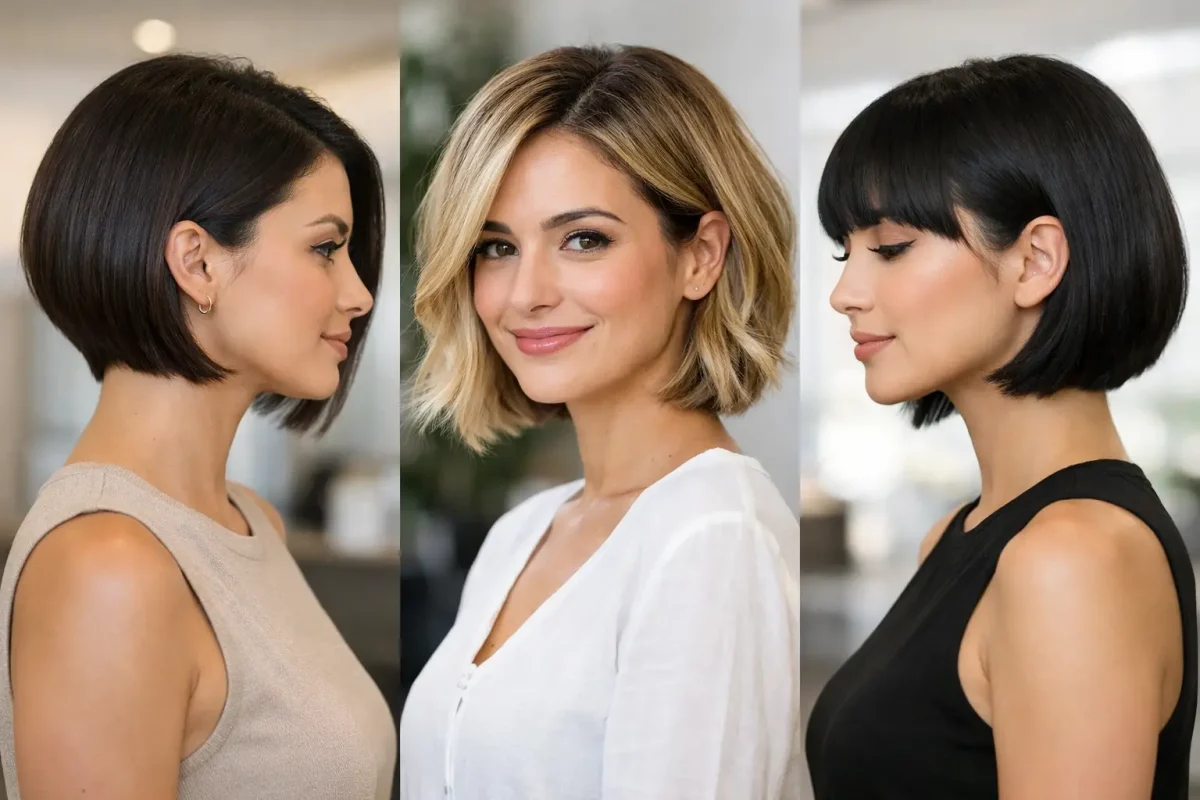
A bob can look sharp, soft, polished, edgy, or effortless – which is exactly why so many people ask for one and then realize there are about ten different cuts hiding under the same name. If you are considering an Albany Creek bob haircut, the real question is not whether a bob suits you. It is which bob suits your face shape, hair texture, styling habits, and the amount of upkeep you actually want.
That is where a good consultation matters. A bob is not one-size-fits-all, and the difference between a cut you love and one that feels wrong often comes down to small technical choices – where the length sits, how much weight is removed, whether the perimeter is blunt or softened, and how the front is shaped around the face.
Why an Albany Creek bob haircut can work so well
The bob has stayed relevant for a reason. It gives structure without needing long hair, and it can be tailored to feel classic or current depending on the finish. For a lot of women, it also creates that rare combination of looking styled while still being practical.
A well-cut bob can make fine hair appear fuller because the shape keeps more density through the ends. On thicker hair, it can remove bulk in the right places so the cut feels intentional rather than heavy. For naturally wavy hair, the right bob can bring out texture in a way that looks effortless instead of messy.
The catch is that not every bob behaves the same way. Some shapes need regular blow-drying to sit correctly. Others are designed to air-dry with a softer finish. If your mornings are rushed, that matters just as much as the inspiration photo.
Choosing the right bob for your hair type
Fine or flat hair
If your hair tends to fall limp, a blunt bob is often the strongest option. Keeping the ends solid creates the look of thickness, especially when the length sits between the chin and collarbone. Too many layers can make fine hair look stringy, so restraint usually gives a better result.
A shorter bob can also help if you want more lift. Less length means less weight pulling the shape down. That said, going too short can expose cowlicks or make daily styling more necessary, so it depends on how cooperative your hairline is.
Thick hair
Thicker hair usually needs shaping, not just shortening. A bob on dense hair can look amazing, but if the bulk is left untouched it can easily turn triangular – narrow at the top and too full through the bottom. Internal layering or debulking can make the cut sit better without making the ends look thin.
This is one of those cases where technique matters more than trend. A sleek blunt line might look great in photos, but if your hair is very thick, a slightly softened perimeter often gives a more wearable finish.
Wavy hair
Wavy bobs can be some of the best-looking bobs around because they already have movement. The key is cutting for the natural pattern rather than fighting it. If the shape is too blunt or too short in the wrong place, waves can kick out unpredictably.
A slightly longer bob or a textured bob usually works well for this hair type. It gives the wave room to form while keeping the overall shape controlled. Product choice also matters more here than with straighter hair.
Curly hair
Yes, curly hair can absolutely wear a bob. It just needs to be planned properly. Shrinkage changes everything, so the length you see when wet is not the length you live with once it dries.
A curly bob often looks best when it is customized to sit where the curls naturally spring, rather than forcing a perfectly geometric line. Too much layering can create puffiness, but too little can make the shape bulky. Balance is the whole game.
The most flattering bob lengths
Chin-length bob
This is the classic statement bob. It feels polished and fashion-forward, and it can really frame the jawline. It often works beautifully on finer hair because it keeps fullness through the ends.
The trade-off is maintenance. Chin-length cuts tend to show growth faster, and they can be less forgiving if your hair flips or bends in awkward places.
Jaw-to-neck bob
This length is versatile and modern. It still has that clean bob identity, but it usually feels a little easier to wear day to day than a very short version. It can be sleek, textured, or softly waved depending on the finish.
For many clients, this is the sweet spot between style and manageability.
Lob or longer bob
If you want bob energy without committing to a shorter cut, the lob makes sense. It is easier to tie back, generally more forgiving as it grows out, and often works well on wavy or thicker textures.
It may not give the same dramatic shape as a shorter bob, but it wins on flexibility. If you are nervous about losing too much length, this is usually the safest place to start.
Blunt, layered, or textured?
This is where the personality of the cut really shows.
A blunt bob looks clean, strong, and polished. It is great for creating the appearance of density and gives a very intentional finish. If you like sleek styling or want your cut to look crisp, blunt is a solid choice.
A layered bob adds movement and softness. It can stop thicker hair from feeling too solid and can help a bob sit better if your hair has natural body. The downside is that too many layers can make the shape lose impact, especially on finer hair.
A textured bob sits somewhere in the middle. It feels modern, easy, and a little less formal. This is often the cut people mean when they say they want something low-effort but still stylish. It works especially well if you prefer a relaxed finish over a super-smooth blowout.
Face shape matters, but not in a rigid way
Face shape can guide a bob, but it should not box you in. The goal is not to follow old-school rules. It is to place the length and shape where it is most flattering.
If your face is rounder, a bob that falls below the chin often helps elongate the shape. If your face is longer, a chin-length or jaw-length bob can add width in a good way. If you have strong cheekbones or a defined jawline, a sharp bob can highlight those features beautifully.
Fringe, side parts, and face-framing pieces also make a difference. Sometimes the bob itself is right, but it needs a softer front or a different parting to feel balanced.
Styling your bob without making it complicated
One of the best things about a good bob is that it should not need an hour of effort. The cut should do a lot of the work.
For a sleek finish, a blow-dry with a round brush or smoothing brush helps shape the line and add shine. For a softer look, a bit of texture spray or lightweight cream can bring out movement without making the hair stiff. If you like waves, a flat iron or curling wand can add bend quickly, but the best result usually comes from leaving the ends slightly straighter so it still reads as a bob rather than full curls.
Heat protection matters, especially with shorter styles where damage is more visible. So does product restraint. Overloading a bob with heavy oils or thick creams can flatten it fast.
How much upkeep should you expect?
This is the part people often underestimate. Bobs are stylish, but many of them need regular reshaping to keep their edge. If you love a crisp line, expect to maintain it more often than a longer layered cut.
A lob will usually stretch longer between appointments. A blunt chin-length bob generally needs more frequent trims because the structure is the whole point. If your hair grows quickly, that timing becomes even more noticeable.
That does not mean a bob is high maintenance for everyone. It just means the upkeep needs to match the result you want. Soft and textured is usually more forgiving. Sharp and precise needs consistency.
Should you pair a bob with color?
Often, yes. A bob can look even better when the color supports the shape. Subtle dimension can make the movement more visible, while a solid glossy shade can emphasize a blunt line beautifully.
If your hair feels flat, a few tonal shifts can add depth without making the cut look busy. If you want something bolder, a bob is a great canvas for stronger color because the shape keeps everything looking deliberate.
The key is balance. If the cut is already sharp and graphic, overly busy color can compete with it. If the cut is softer and more textured, dimension can bring it to life.
Is a bob right for you?
Usually, yes – if the version you choose fits your real life. The best bob is not the one trending hardest online. It is the one that works with your texture, flatters your features, and still looks good when you style it the way you actually style your hair.
If you want a change that feels fresh without being impossible to maintain, a bob is hard to beat. It can clean up damaged ends, create a stronger shape, and make your whole style feel more current. But the details matter, and so does having the cut tailored properly instead of copied straight from a photo.
If you are ready for a bob that feels modern, flattering, and wearable, book an appointment at Twisted Scissors in Bridgeman Downs.