
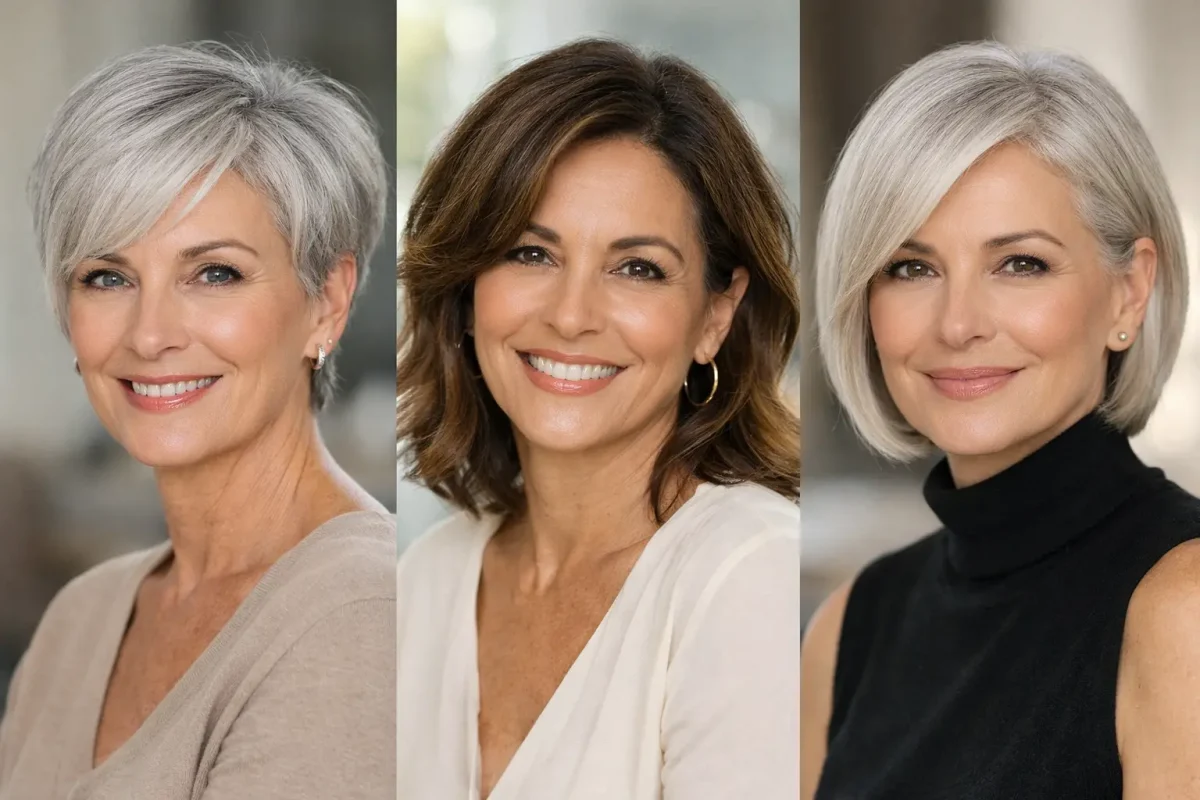
A great haircut should not ask you to become someone else. It should work with your texture, bring attention to your favorite features, and make getting ready feel easier. The best hairstyles for mature women are not about following a rulebook or cutting hair short by default. They are modern, flattering shapes tailored to your face, lifestyle, hair density, and personal style.
A polished bob can feel sharp and fashion-forward. A soft shag can bring welcome movement to fine hair. Long layers may be exactly right if you love length and have the time to style it. The key is choosing a cut with intention, then pairing it with a color and finish that make the whole look feel fresh.
What Makes a Hairstyle Flattering?
The most flattering style is usually built around balance. Your stylist considers face shape, hairline, density, natural texture, and how your hair behaves between wash days. A cut that looks incredible in a photo may need adjusting if your hair is very fine, strongly wavy, or prone to frizz in Brisbane humidity.
It also needs to suit your routine. If you prefer to wash and go, a sleek blunt bob that needs daily hot-tool styling may not be the right fit. If you enjoy taking time with a round brush or curling iron, more structured layers and fringe can be a fun option. There is no age-based limit on boldness, length, bangs, or color. The difference is in the customization.
Hair changes over time, too. It can become finer, drier, more textured, or less dense around the temples and crown. Thoughtful shape, gentle internal layering, and the right styling products can make a major difference without sacrificing the look you want.
Best Hairstyles for Mature Women by Length
A textured pixie with a soft fringe
A modern pixie is one of the most expressive short cuts available. It can be close and clean around the nape, softly tapered through the sides, and longer on top for movement. A side-swept or piecey fringe helps soften the forehead and keeps the style from feeling too severe.
This cut is especially useful for hair that feels thin or lacks body, because shorter lengths can create the impression of more density. It does need regular shaping appointments to keep its silhouette intentional. If you like a low-effort morning routine but do not mind salon upkeep, a pixie can be a brilliant choice.
The classic bob, updated
The bob remains popular because it is endlessly adaptable. A chin-length version can draw focus to the jawline and cheekbones, while a slightly longer bob creates a softer, more versatile finish. Choose a blunt perimeter for a fuller-looking effect, or add light texture through the ends for a relaxed, lived-in feel.
For clients who want shape without going very short, a bob is often the sweet spot. It can be worn sleek, waved, tucked behind the ear, or styled with volume at the crown. Ask for a length that works with your natural part and avoids sitting at the widest part of your face if that is a concern.
The collarbone lob
A long bob, or lob, is a reliable option when you want the polish of a defined haircut with enough length to tie it back. Falling around the collarbone, it gives hair movement without the heaviness that can make longer fine hair look flat.
A lob can be blunt and minimal or lightly layered around the face. For naturally wavy hair, a few strategic layers encourage bend and prevent the shape from becoming triangular. For straighter textures, a clean line with subtle face framing looks refined and contemporary.
Soft layers for medium to long hair
Keeping length can be beautiful, particularly when the hair is healthy and you enjoy styling it. The goal is not simply to leave it long. Long hair benefits from a clear shape, with face-framing layers, healthy ends, and enough internal movement to stop it looking heavy.
Soft layers are ideal for creating lift around the crown and movement through the mid-lengths. They can also make a blowout or loose waves last better. Too many short layers, however, may make fine hair look sparse or create extra styling work, so the layering plan should reflect your density.
The modern shag
A soft, modern shag is a great choice for naturally wavy or textured hair, and it can look striking on straight hair with the right styling. It uses airy layers, movement around the face, and a slightly undone finish rather than a perfectly sculpted shape.
This is not a one-size-fits-all cut. On fine hair, it needs restraint so the ends still look full. On thicker hair, it can remove bulk and make natural texture easier to wear. A shag pairs beautifully with curtain bangs or a longer fringe, but it does ask for some styling product to define the layers.
Bangs Can Change the Entire Look
Bangs are often treated as a risky decision, but the right fringe can be one of the quickest ways to refresh a cut. Wispy bangs create softness without covering too much of the forehead. Curtain bangs blend into longer layers and offer versatility. A side fringe can add shape to a bob, pixie, or medium-length cut.
The trade-off is styling. Fringe usually needs a quick refresh each morning, especially if there is a cowlick or strong natural wave. It may also need trimming sooner than the rest of the haircut. If you are unsure, start with a longer, softer version that can be swept to the side or blended back into the rest of your hair.
Use Color to Add Dimension, Not Just Coverage
A new cut looks even more considered when the color supports it. Single-process color can create a rich, even result, while fine highlights, balayage, or lowlights can add depth and brightness where the hair needs it most. Placement matters more than chasing a dramatic change.
For example, subtle brightness around the face can make layered cuts appear lighter and more dimensional. A blend of lowlights can stop very light hair from looking flat. Warm tones can make the complexion appear more radiant, while cooler tones offer a crisp, sophisticated effect when they complement your skin tone.
Gray blending is another flexible option. Rather than aiming for a hard line of coverage, carefully placed highlights and lowlights can soften regrowth and create a more natural transition. The best approach depends on how much gray you have, the contrast you enjoy, and how often you want to visit the salon.
Whatever direction you choose, protect the condition of your hair. Color services should account for previous color, porosity, and any fragility through the ends. Healthy shine makes every shade and every haircut look better.
Bring Your Real Routine to the Consultation
The most useful information you can give a stylist is not just a photo. Explain how often you wash your hair, whether you air-dry or heat-style, which areas tend to fall flat, and what you dislike about your current cut. Mention if you wear glasses, exercise often, prefer to tie your hair up, or want to grow out old layers.
Bring inspiration images, but look for the common thread rather than expecting an exact copy. Maybe every image has a soft fringe, a strong bob shape, or warm dimensional color. That helps identify what you are drawn to, while leaving room to create a version that works for your own hair.
A good haircut should still look good after a few weeks, not only when you leave the salon. Choosing a shape that fits your habits is what turns a nice change into a style you genuinely enjoy wearing. Book an appointment at Twisted Scissors in Shop 4, 17 Blackwood Street, Mitchelton.