
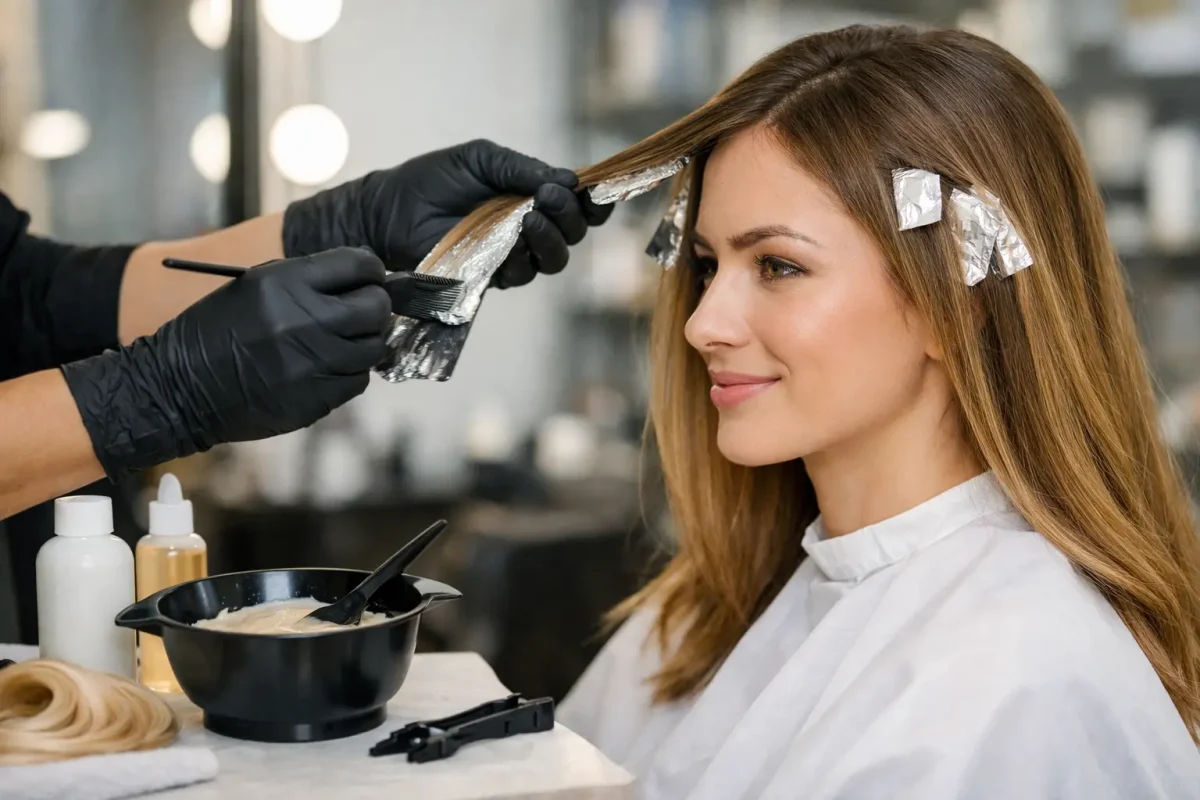
The difference between color that looks expensive and color that fades fast often starts before the appointment. If you have been wondering how to prepare for hair coloring, the good news is that a few smart steps can make a real difference to the final result, how evenly your color takes, and how healthy your hair feels afterward.
Great color is never just about the formula in the bowl. Your hair’s condition, your recent hair history, your scalp health, and even what you do in the week before your appointment all play a part. Whether you want a soft balayage, a rich brunette refresh, bright fashion color, or a full transformation, prep matters.
Why preparation matters before hair color
Hair color works best on hair that gives your stylist a clear, predictable starting point. If your hair is coated in product buildup, overly damaged, or carrying surprise pigment from old box dye, the result can shift. Sometimes that means patchy lift, uneven tone, or a shade that looks warmer, darker, or duller than expected.
Preparation also protects your hair. Lightening services in particular ask more of the hair fiber than a gloss or root touch-up. When your hair is hydrated, your scalp is in good shape, and your stylist has an honest picture of your hair history, you are setting yourself up for a smoother process.
That does not mean you need to show up with perfect hair. It just means giving your hair the best chance to respond well.
How to prepare for hair coloring in the week before
The week before your appointment is where most of the useful prep happens. This is the time to focus on moisture, clarity, and communication rather than trying random last-minute fixes.
If your hair feels dry, start with hydration. A nourishing mask once or twice in the week leading up to your appointment can help improve softness and manageability. This is especially helpful if you regularly heat style, spend time in the sun, or have older lightened ends. Softer, stronger hair tends to handle coloring services better than brittle hair.
What you do not want is to overload the hair with heavy oils or thick leave-ins right before your visit. While moisture is helpful, buildup is not. If hair is heavily coated, it can interfere with how evenly color is applied and how cleanly the stylist can assess your natural starting point.
A gentle clarifying wash a few days before your appointment can be a smart move if you use dry shampoo, root cover-up, purple shampoo, styling cream, hairspray, or swim regularly. The key here is balance. You want clean hair, not stripped hair. If your scalp is sensitive or dry, a strong clarifier the night before may do more harm than good.
Be honest about your hair history
This part matters more than most people think. If you have used box dye, toner, henna, color-depositing shampoo, keratin treatments, bleach, or even a tinted gloss in the last year, say so. It is not about being judged. It is about getting the result safely.
Color history changes how hair reacts. Old artificial pigment can be stubborn. Previous lightening can make some areas process faster than others. Even if a past color has faded visually, it may still be sitting in the hair.
If you are aiming for a major shift, especially going lighter or choosing pastel or vivid shades, your stylist needs the full picture. The more accurate the history, the more realistic the plan.
Bring inspiration, but keep it realistic
Reference photos are useful because they show tone, brightness, placement, and overall vibe faster than words alone. “Warm honey blonde” can mean five different things to five different people. A photo gives everyone the same target.
That said, the right inspiration photo is one that helps guide the direction, not guarantee an identical result. Your base color, your previous color history, your haircut, and your skin tone all affect the final look. A cool beige blonde on naturally dark hair with old color is a different service from the same shade on untreated light brown hair.
The best approach is to bring a few examples of what you like and be open to your stylist adjusting the plan to suit your hair.
Should you wash your hair before a color appointment?
This is one of the most common questions around how to prepare for hair coloring, and the answer depends on the service.
For most salon color appointments, hair that is clean-ish works well. You do not need freshly shampooed, squeaky-clean hair that same morning, but you also do not want several days of oil, sweat, and product buildup. A day-old wash is usually a comfortable middle ground.
If you are having a full lightening service, your stylist may prefer that your scalp is not freshly scrubbed, especially if you are sensitive. A little natural oil can help with comfort. But “a little” is not the same as heavy buildup. If your roots are packed with dry shampoo or your lengths are stiff with styling products, that can make the appointment harder than it needs to be.
If you are unsure, ask when booking. Different services and different scalps call for slightly different prep.
Skip the DIY fixes before your appointment
It can be tempting to “help” before your visit by trimming your own fringe, using a toner at home, purple-shampooing aggressively, or throwing a box dye over faded roots. This usually creates more work, not less.
At-home toners and dyes can shift the base unexpectedly and make it harder to achieve the shade you actually want. Strong purple shampoo can also leave uneven staining on porous blonde hair, which may affect how the fresh toner grabs.
If your color has faded or gone brassy, leave it alone and let your stylist see exactly what is happening. Real starting points lead to better color plans.
Protect your scalp if it is irritated
Healthy scalp, better experience. If your scalp is sunburned, scratched, flaky, or irritated, let your stylist know before the appointment. Color services on an already compromised scalp can feel uncomfortable, and in some cases it may be better to wait.
Try not to schedule hair coloring right after anything that makes your scalp extra sensitive, like a harsh exfoliating treatment or vigorous scratching. If you deal with ongoing scalp issues, mention that during booking rather than on arrival. It helps your stylist plan properly.
Wear the right outfit and allow enough time
This sounds basic, but it helps. Wear something comfortable that is easy to change out of and does not have a tight neckline. If your service is a big color transformation, set aside enough time so you are not watching the clock the whole appointment.
Rushed color appointments are stressful for everyone. Services like balayage, color correction, and vivid shades can take longer than clients expect, especially when hair needs extra care along the way.
Eat beforehand and bring patience for big changes
If you are booked for a longer session, have something to eat first. It makes the whole appointment more comfortable, especially during lightening or multi-step color.
It also helps to come in with the right mindset. Some transformations happen in one visit. Some do not. Going from very dark old dye to bright blonde, or from uneven home color to a clean pastel, may need stages. That is not a bad result. That is often the safest and smartest way to protect the hair while still moving toward your goal.
What to tell your stylist at the consultation
A good consultation is where expectation meets technique. Along with your hair history and inspiration photos, tell your stylist how much upkeep you want. This is where practical choices matter.
A bright copper, icy blonde, or fashion shade can look incredible, but maintenance is higher. If you want something softer and lower maintenance, options like lived-in balayage, dimensional brunette, or a root-smudged blonde may suit you better. The right color is not just the one that looks good on day one. It is the one that fits your routine, budget, and tolerance for upkeep.
Also mention how you usually style your hair, how often you wash it, and whether you swim often or use hot tools daily. Those habits affect fade, tone, and aftercare.
A better result starts before the first foil
Knowing how to prepare for hair coloring is really about giving your stylist clean information and giving your hair a fair shot. Hydrate dry hair, avoid heavy buildup, skip the home experiments, and be honest about your color history. That prep may seem small, but it is often what separates a color appointment that feels easy from one that turns into correction work.
If you are planning your next shade change and want expert advice tailored to your hair, book an appointment at Twisted Scissors in Bridgeman Downs.