
Grey Blending Hair Color That Looks Natural
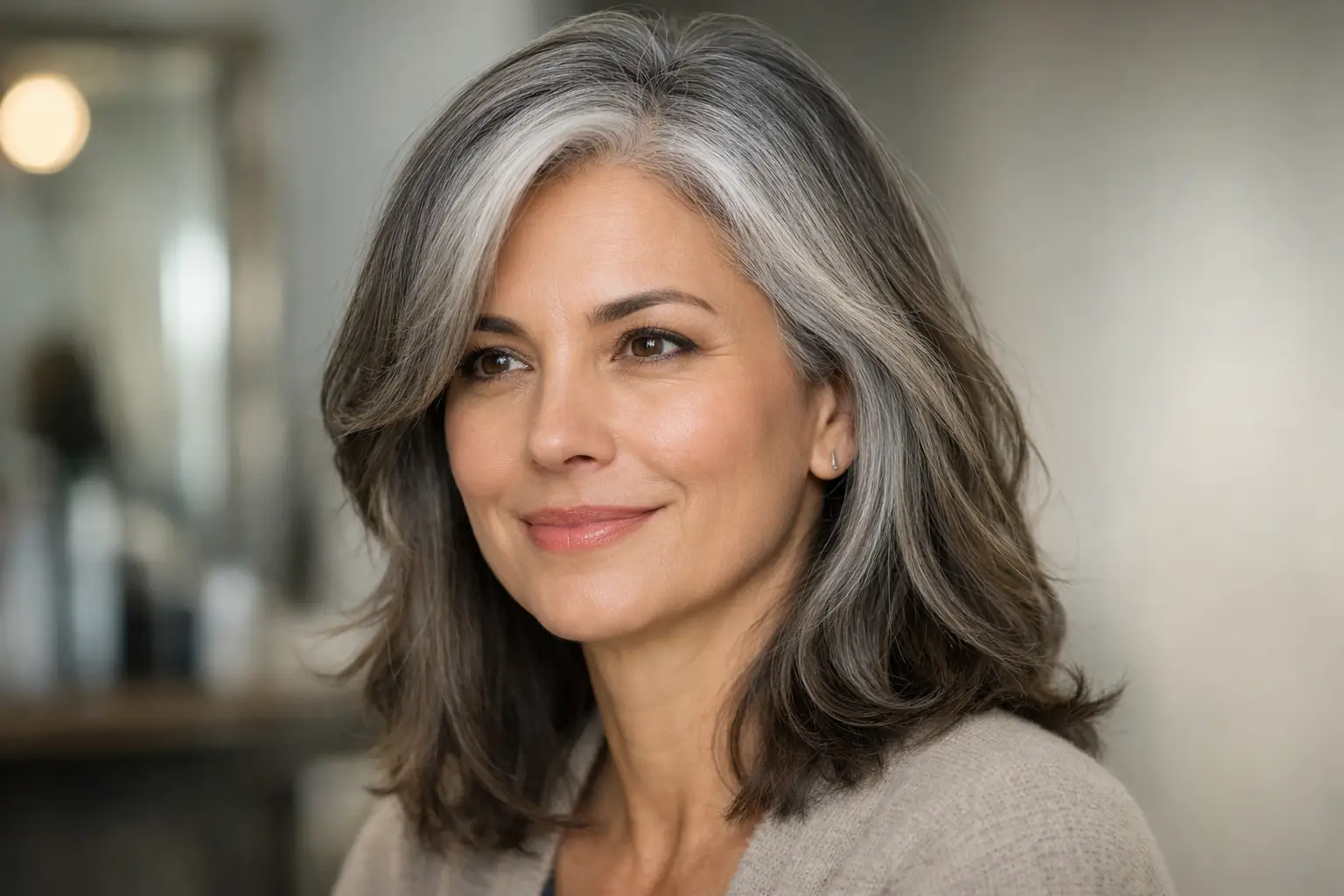
Grey Blending Hair Color That Looks Natural
The line between “cover it” and “work with it” is where grey blending hair colour really shines. If you are starting to notice more silver around your part line, temples, or crown, full coverage is not your only option. For many women, a softer blend looks more modern, grows out better, and feels far less demanding between salon visits.
That is the appeal. Grey blending is not about pretending the gray is not there. It is about making it look intentional, flattering, and polished. Done well, it softens harsh contrast, adds dimension, and gives you a color result that looks expensive without looking overly “done.”
What grey blending hair colour actually means
Grey blending hair colour is a technique that diffuses the contrast between your natural gray and your pigmented hair. Instead of applying one solid shade from roots to ends to fully hide every silver strand, your stylist works with a mix of tones, placement, and depth to make the grays melt into the overall color.
That can mean highlights, lowlights, glosses, toners, root smudges, or soft all-over color, depending on how much gray you have and the result you want. The goal is not one flat block of color. The goal is a balanced finish where the gray feels integrated.
This matters because gray rarely appears evenly. Most women get it in patches first. You might have a bright streak near the front, scattered silvers through the top, or a stronger concentration around the hairline. Full root color can cover that, but it also creates a harder grow-out line. Grey blending usually gives you a gentler transition.
Why more women are choosing blending over full coverage
There is a practical reason this technique keeps getting more popular. Maintenance is often easier.
When you fully cover gray with a deeper permanent shade, regrowth can look obvious quite quickly, especially if your natural hair is dark and your gray is bright. That sharp line at the root is what sends many clients back for touch-ups every four to six weeks. Grey blending stretches that out because the result already includes variation. As your hair grows, the line is softer and less noticeable.
The second reason is aesthetic. A blended result often looks more dimensional and current than a single process color. Hair with light and shadow tends to look healthier, fuller, and more natural. That is especially useful if your texture has changed with age, because gray hair can be coarser, drier, or wirier than it used to be.
It also gives you more choice. You do not have to commit to fully gray or fully covered. You can sit somewhere in the middle and adjust over time.
Is grey blending hair color right for everyone?
Usually, yes, but the best approach depends on your starting point.
If you only have a small amount of gray, blending can be subtle. A few fine highlights or a gloss may be enough to soften the contrast. If you have a higher percentage of gray, you might need a more detailed plan using both lighter and deeper pieces to stop the result from looking washed out.
Your natural base color matters too. On dark brunettes, gray can look brighter and more obvious, so the blend often needs careful placement and tonal control. On lighter brunettes and blondes, the transition can be softer and easier to disguise. If your hair has been box dyed or heavily colored in the past, correcting that history may be part of the process.
Lifestyle matters just as much as color theory. If you want zero visible gray at any time, blending may not satisfy you in the same way as full permanent coverage. But if you want something softer, more forgiving, and easier to maintain, it is often a better fit.
The most common ways a stylist can blend gray
There is no single formula for this. A good stylist chooses the technique based on your gray pattern, haircut, skin tone, and upkeep preferences.
Highlights for softness and brightness
Fine highlights are one of the most common ways to blend gray. They break up darker areas and make the silver pieces look like part of the design rather than something separate. This works especially well if your grays are concentrated around the face or top layers.
The key is restraint. Over-lightening the hair can leave it dry or overly blonde, which is not always the goal. Often, the best result comes from delicate, strategically placed pieces that mimic the natural brightness already happening in your hair.
Lowlights for depth
If your hair is going too light overall, or your natural depth has faded because of previous highlighting, lowlights can add back richness. This helps stop gray blending from looking flat, hollow, or overly cool.
Depth is important because gray hair reflects light differently. Without some contrast, the result can lose shape. Lowlights restore dimension and make the brighter strands stand out in a flattering way.
Glosses and toners for shine and tone correction
Sometimes the issue is not coverage. It is tone. Gray hair can pick up warmth, dullness, or yellowing from heat, minerals, or old color. A gloss or toner can refine that, adding shine while shifting the overall tone cooler, softer, or more neutral.
This is often a smart option for women who do not want a major color service but still want their gray to look polished.
Root blending instead of solid root coverage
A root smudge or root melt softens the transition between your natural regrowth and the rest of your color. Rather than placing one solid shade at the roots, your stylist diffuses the area so the line is blurred.
This works beautifully for clients who want a lived-in finish and do not want to feel tied to constant touch-ups.
What to expect at your appointment
The consultation matters more than most people think. Grey blending is customized work, not a one-size-fits-all formula.
A stylist needs to assess how much gray you have, where it sits, whether your hair has old artificial color, how your haircut supports the color, and how often you realistically want maintenance. Photos can help, but your own hair history is even more important. If you have used box dye, had previous dark color, or have uneven porosity, that changes what is achievable in one session.
In some cases, the best result happens gradually. That is not a bad thing. Building a beautiful blend over two or three appointments can protect the condition of your hair and give you a more natural finish than forcing a dramatic change in one day.
Maintenance is lower, not no-maintenance
This is where expectations need to be realistic. Grey blending is often lower maintenance than full coverage, but it still benefits from upkeep.
Gloss appointments can keep the tone fresh. Purple or blue-based products may help if your gray tends to go brassy, but they should be used carefully because overdoing it can leave the hair dull or slightly muddy. Moisture also matters. Gray hair often feels rougher, so hydrating masks, heat protection, and gentle cleansing make a visible difference.
Your haircut plays a role too. A modern bob, soft lob, textured shag, or face-framing layers can help blended color look more intentional because movement shows off the variation in tone. When the cut and color support each other, the overall look feels fresher.
The biggest mistake with gray blending
Trying to force your hair into a shade that fights your natural pattern is usually where things go wrong.
If your gray is bright and your chosen color is dense, dark, and flat, regrowth will always feel obvious. If your hair is fragile and over-processed, too much lightening in the name of blending can damage texture and reduce shine. The best grey blending hair colour work respects what your hair is already doing and improves it rather than covering it with a heavy-handed formula.
That is why tailored salon color usually outperforms DIY attempts here. Box dye tends to aim for blanket coverage, and blending needs nuance. Placement, tone, and processing time all matter.
A more modern way to wear gray
There is something refreshing about a color approach that does not force you into extremes. You do not have to fully cover every silver strand, and you do not have to commit to growing out pure gray overnight either. Blending gives you room to evolve your look in a way that feels stylish, flattering, and manageable.
For some women, that means keeping a brunette base with soft ribbons of brightness through the front. For others, it means gradually embracing more silver while maintaining shine and shape. The right result should look like you, just more polished.
If you are curious about a softer, more natural approach to gray, book an appointment at Twisted Scissors in Mitchelton.